The 65-billion-barrel Venezuela oil deal is not proof that regime change was sold with a resource contract attached as its explicit precondition — the deal was announced eight months after Nicolás Maduro’s capture, not before it. But the actual innovation, and the exportable part of the template, is the deniability structure itself: oil majors briefed before the operation, Congress briefed never, and a resource deal formalized only once a compliant successor government existed to sign it — a sequence that lets Washington behave as though the resources were the point while never having to say so.
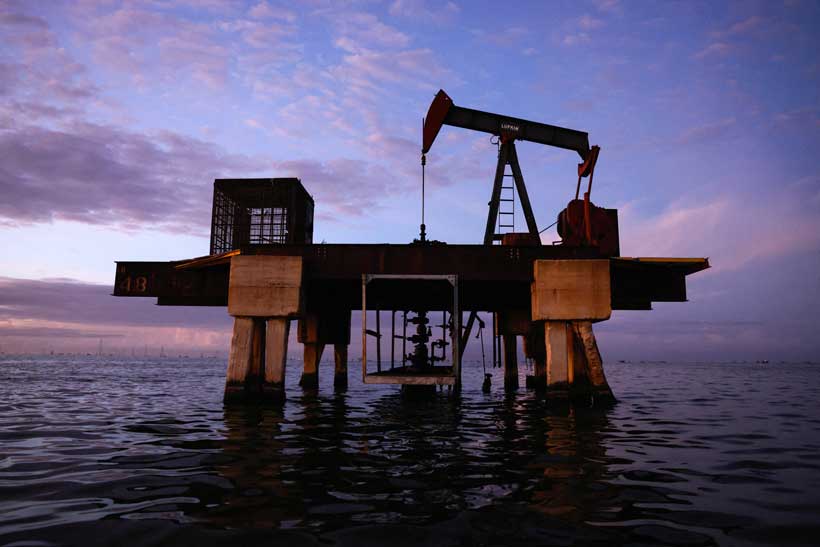
On August 28th, Donald Trump announced what he called “the biggest oil deal in world history”: a new company, backed by the US government and an undisclosed private operator, granted 100-year rights to develop 17 Venezuelan oil fields holding 65 billion barrels — roughly a fifth of the country’s reserves — with Washington taking 55% of the output. The person who signed for Venezuela was Delcy Rodríguez, the acting president. Eight months earlier, Rodríguez was Nicolás Maduro’s own vice president, in the government US special forces stormed to capture him. The deal’s own optics make the question unavoidable: is this what regime change costs now, itemized?
To read the full analysis, please subscribe to our premium MD Briefing