The joint US–Japan yen intervention was not a currency-stability measure. It was Washington making sure Tokyo could keep funding its $550 billion commitment to American AI infrastructure — and it marks the moment monetary policy formally joined chip controls and grid capacity as a lever of AI industrial policy.
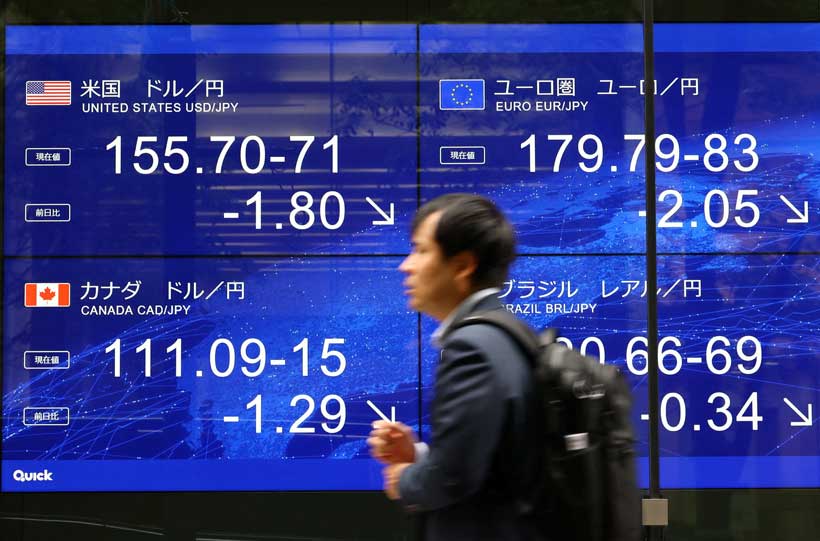
On the night of August 1st, Japan’s Ministry of Finance sold an estimated $58.97 billion to buy back its own currency — and for the first time since the 2011 tsunami, the US Treasury openly stood behind a Japanese intervention. Donald Trump told reporters days later that Tokyo simply “wanted a little bit of help” with a “weakening yen.” That framing is designed to make readers stop paying attention. A currency intervention pitched as a favour between friends, landing the same week Beijing launched its broadest trade retaliation since the Busan truce, China’s power grid hit an all-time peak driven by AI data centres, DeepSeek revived a $74 billion funding round, and the Pentagon confirmed plans for self-powered AI data centres on military bases, is not a coincidence of a busy news cycle. It is five readings on the same instrument.
To read the full analysis, please subscribe to our premium MD Briefing