TODAY’S NUMBERS: $6.8bn (Danantara’s remittance to Jakarta’s budget) · 20% (Saudi PIF’s new overseas-investment ceiling, down from 30%) · 5.65% (Danantara’s average bond yield). Money built to leave state treasuries is being told to stay home.
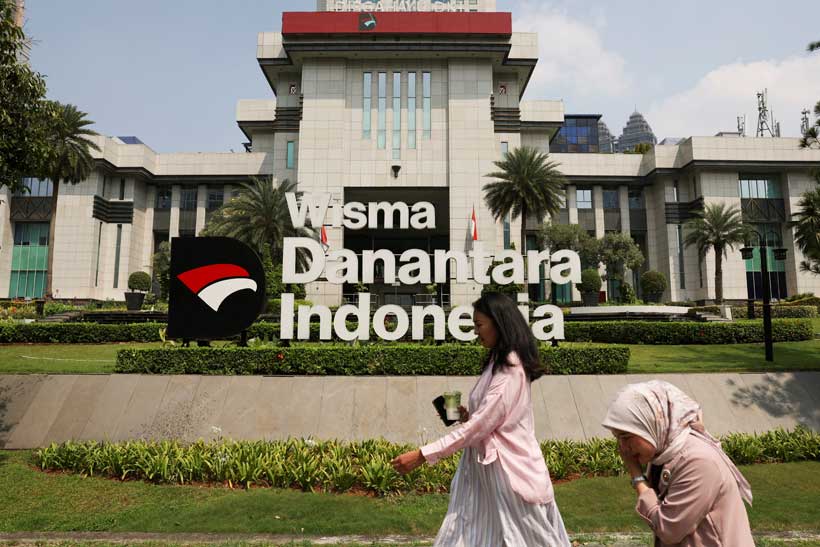
Bloomberg reported Friday that Danantara, Indonesia’s giant state investment fund, will remit $6.8 billion back to Jakarta’s budget. That is not how the fund was supposed to work. Danantara was built to pool state-enterprise dividends and deploy them commercially, the way Singapore’s Temasek does, at arm’s length from politics. Instead, with Indonesian debt at 41.26% of GDP and the rupiah near record lows, the government is directing profits back into the treasury the fund was meant to grow independently of.
The mechanics matter here. Danantara sold its first international bonds only in June: $1.5 billion against $4.6 billion of investor demand, priced at a blended 5.65% coupon that costs roughly $85 million a year to service. Bondholders bought the pitch that Danantara would behave like a disciplined commercial allocator, insulated from Jakarta’s fiscal politics. The $6.8 billion remittance undercuts that pitch directly, and it lands just as Danantara is preparing a new rupiah bond at a below-market 3% coupon that investors are already treating with skepticism. Moody’s and Fitch have each moved Indonesia’s outlook to negative, citing exactly this kind of governance blur between sovereign fund and state budget.
Indonesia is not acting alone. Saudi Arabia’s Public Investment Fund, sitting on $925 billion, has cut its overseas allocation ceiling from 30% to 20% for 2026-2030, ordered a minimum 20% spending reduction across more than 100 portfolio companies, cut The Line’s 2030 population target from 1.5 million to under 300,000, and walked away from LIV Golf. The squeeze: Aramco’s mandatory dividend ($21.89 billion) has outrun its free cash flow ($18.6 billion), after Red Sea and Hormuz-linked shipping disruptions ate into oil revenue even with crude near $115 a barrel. Kuwait’s KIA, hit harder by the same disruptions, is drawing down its General Reserve Fund and sold international bonds for the first time since 2017. Only Mubadala, whose crude bypasses Hormuz by pipeline, kept buying abroad, backing EQT’s acquisition of Intertek this year.
Stay ahead of the geopolitical week.
MD Briefing delivers expert analysis across five global fronts — the Indo-Pacific, energy, geoeconomics, European security, and the Middle East — every Monday morning. Free.
Why it matters: For two decades, sovereign wealth funds have been read as instruments of outward projection — Gulf capital buying stakes in European ports and airports, Asian funds bankrolling Silicon Valley, all of it a quiet extension of state influence into markets a government could never touch directly. What is happening now inverts that logic without reversing it. When a shipping war or a fiscal shortfall forces PIF, KIA and Danantara to redirect capital inward, that is not a retreat from geopolitics, it is geopolitics working through a different channel. Western banks, companies and governments that spent a decade courting sovereign co-investment as a cheap, patient source of capital now have to price in the chance that the check arrives smaller, later, or not at all. It also raises the cost of capital for the funds themselves: a bondholder who lent to Danantara believing it was ring-fenced from Jakarta’s politics has just learned otherwise, and every sovereign-fund bond sale from here to Riyadh will be priced with that lesson in mind. Sovereign wealth was always political money. What has changed is that the politics have turned domestic, and the states that spent the last decade being courted by asset sellers abroad are, for now, the ones deciding whether their own money leaves home at all.
Watch for: how Danantara prices its planned rupiah bond. Size, maturity and coupon are still undisclosed, but a repeat of June’s order book would suggest investors are separating the budget remittance from the fund’s credit story, while a thin book would confirm they are not. Watch Moody’s and Fitch too — both are sitting on negative outlooks for Indonesia’s Baa2 rating, and a formal downgrade in the next review cycle would mark the first hard market price on turning a sovereign fund into a budget backstop.