


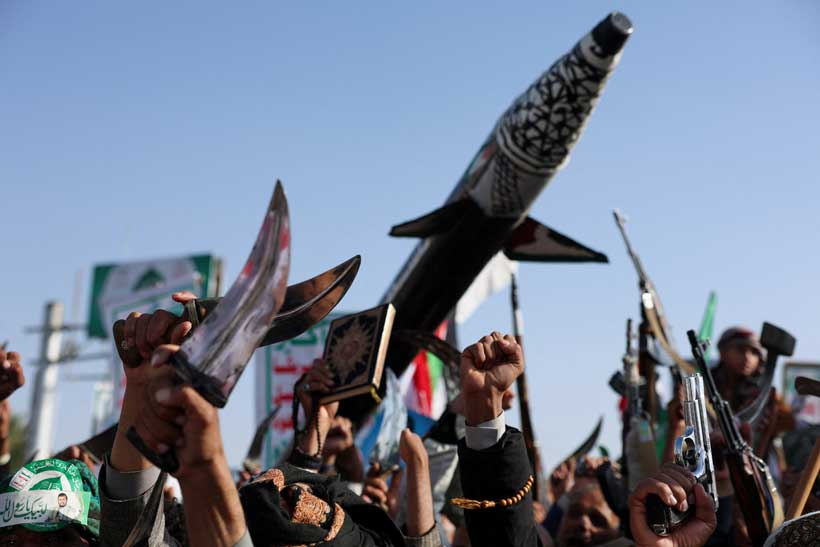
The question is no longer whether Saudi Arabia will respond to the Houthi blockade but what kind of response it can sustain. Riyadh has been building Yemeni militia troops for seven months and is forced to make a decision it has put off since 2022: either it accepts the possibility of ongoing attacks on its tankers and refineries, or it supports a ground campaign in Yemen the past decade of coalition operations suggests will fall short of lasting results. Iran is benefiting irrespective of the side. That is the trap.
On July 20, the Houthis announced a maritime blockade on Saudi Arabia, citing it as a response to the Saudi-led blockade they’ve faced for 12 years. Since then, the group has attacked eight Saudi-backed vessels in the Red Sea and directly targeted Saudi Arabia, such as the Jazan refinery and Aramco infrastructure. An Aramco facility in Jazan, one of the kingdom’s main energy hubs in the Red Sea, was struck by a drone. A government-held port on the Red Sea, Mokha, has been struck by ballistic missiles seven times and the first casualties from a Houthi strike since the US-Iran war erupted in February are now known. The Houthis are referring to this as “siege for a siege”. Riyadh calls it an existential threat to its last functioning export route.
To read the full analysis, please subscribe to our premium MD Briefing
