

When the Pakistan Minerals Investment Forum 2026 opens in Islamabad on 12 November, it will do so under an ambitious theme: “Pakistan: The Next Critical Minerals Destination.” Endorsed by the Special Investment Facilitation Council, the forum brings together mining companies, financiers and officials to connect the country’s mineral resources with foreign capital and technology. The question it faces is no longer whether Pakistan has minerals, but whether they can be turned into projects investors consider bankable.
A window opened by global demand
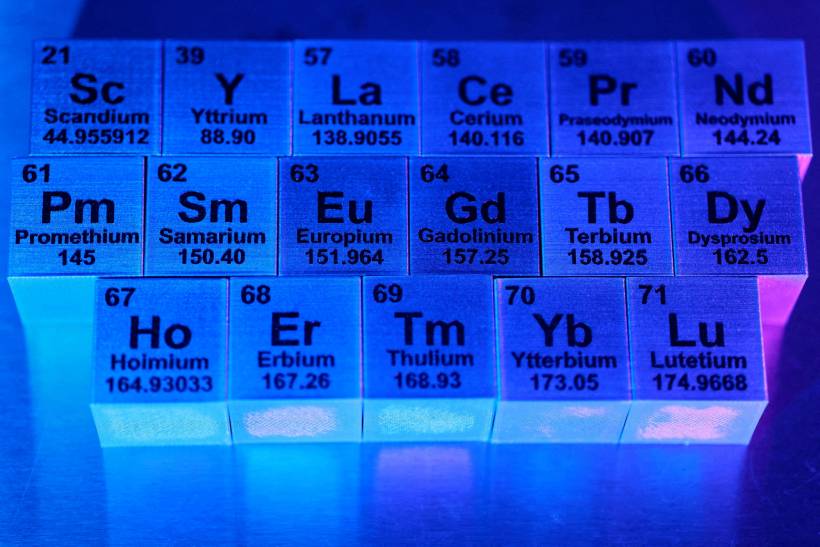
Demand for copper, rare earths and other critical minerals is rising with electrification, digital infrastructure and defence manufacturing, while supply chains remain concentrated among a few producers. Governments and companies are actively searching for alternative sources, widening the field to include countries previously peripheral to the global mining map. Pakistan is positioning itself within that search. An OGDC report says 92 minerals have been identified in the country, 52 of them extracted commercially. In September 2025, the Frontier Works Organization signed a memorandum with US Strategic Metals envisaging a first phase of roughly $500 million, and officials have signalled interest in minerals cooperation with Europe. Most of this remains prospective: the planned USSM processing facility is not yet operational, and Pakistan holds only around 1 per cent of global antimony reserves.
Reko Diq as the bellwether
No project shapes investor perceptions more than Reko Diq, one of the world’s largest undeveloped copper-gold deposits, with a projected mine life of at least 37 years. Barrick holds 50 per cent and operates the project; three Pakistani state-owned enterprises and the Balochistan government hold the rest. At peak construction it is expected to employ 7,500 people, with around 4,000 long-term jobs once in production. In April 2026, Barrick said it would slow development and extend its review of security, financing and timelines to mid-2027, warning that costs could rise significantly. Some analysts argue the decision also reflects a reprioritisation of Barrick’s capital, and Pakistani officials insist the project remains on track. Earlier efforts to bring in Saudi financing did not produce a deal. Either way, investors at the forum will read Reko Diq as the clearest indicator of what large-scale mining in Pakistan entails.
The security dimension
Security is the factor most likely to decide the outcome, and the trend is unfavourable. A US State Department OSAC assessment described 2025 as the Baloch Liberation Army’s most active year in a decade and warned that its attacks raise the risk to critical mineral deals. On 31 January 2026, the group carried out coordinated attacks across Balochistan that killed dozens of civilians and security personnel; in March 2025, it hijacked the Jaffar Express in Pakistan’s deadliest attack of that year. The insurgency is not a background condition to the minerals agenda; it is aimed at it. The BLA rejects federal control over the province’s resources and has repeatedly targeted infrastructure, supply routes and workers, Chinese nationals in particular.
Stay ahead of the geopolitical week.
MD Briefing delivers expert analysis across five global fronts — the Indo-Pacific, energy, geoeconomics, European security, and the Middle East — every Monday morning. Free.
The effect on mining is already visible. Barrick cited security when it slowed Reko Diq, and in July the Chinese-operated Saindak mine reportedly warned that production could halt within a month if supply disruptions continued. Attacks on convoys, highways and personnel raise security, insurance and logistics costs for every project in the province, and weigh most heavily on exactly the large, long-duration investments the forum hopes to attract. Security operations have killed large numbers of militants without removing the insurgency’s capacity to strike. Regional pressures compound the risk: Reko Diq lies close to the Iranian frontier as the US-Iran war continues, and Islamabad accuses India and the Taliban government of backing Baloch militants, allegations both reject. Yet the underlying drivers are domestic grievances over resource ownership, revenue-sharing and representation. Force protection can secure individual sites, but without a political track addressing those grievances, security will remain a recurring cost of doing business rather than a solved problem.
What investors will weigh
Mining projects take a decade or more to reach production and decades more to recover capital. Investors will therefore look for consistent licensing, fiscal terms and dispute resolution across federal and provincial authorities and political cycles, and for the roads, power and water that remote deposits require. Social licence matters just as much, and in Balochistan it is inseparable from security. The perception that the province’s resources enrich outsiders while its communities remain among the country’s poorest is a central grievance feeding the insurgency, and past extraction has done little to change it. Investors will judge official commitments on local jobs and benefit-sharing by enforceable arrangements, not statements of intent.
Processing ambitions
Pakistan’s minerals strategy also aims to move beyond exporting raw ore towards domestic processing and refining. The logic is sound, since value addition raises export earnings and creates skilled employment. But processing plants are capital- and energy-intensive and need a reliable flow of feedstock to be viable, and even Reko Diq did not plan on-site smelting in its first phase. Realistically, value addition will be incremental, starting with concentrates and intermediate products rather than finished metals.
What it means for the West
For Western governments, the forum arrives as supply-chain security has moved to the centre of economic policy. The United States has made diversifying critical mineral sources a strategic priority, and the EU’s Critical Raw Materials Act sets a 2030 benchmark that no more than 65 per cent of any strategic raw material should come from a single third country. Pakistan presents itself as one candidate among several, with copper, gold, antimony and rare-earth prospects, a Canadian-operated flagship project for which Barrick has sought financing from G7-backed lenders, and new agreements with American firms. Its proximity to Gulf capital and Central Asian trade routes adds to that case.
Western engagement will nonetheless be selective. Western investors and the development banks behind them impose strict due-diligence requirements on security, community consent and transparency, which Balochistan currently struggles to meet. Pakistan’s long-standing mining partnership with China will also shape how Western partners assess individual projects. Where standards, costs and risks align, Pakistan could become a modest contributor to diversified supply chains; where they do not, Western interest may remain at the level of memoranda.
Measuring success
The 2025 edition drew 5,000 delegates from more than 50 countries and produced 16 memoranda of understanding, and this year’s forum, postponed from April, will likely generate similar headlines. The real measure will come later: how many memoranda become binding agreements, and how many projects reach financial close. Pakistan’s geological case is strong. Its weaknesses lie in an intensifying insurgency in the province that holds much of its mineral wealth, a slowed flagship project, and a record of extraction that has delivered little visible benefit to local communities. PMIF-26 can make the pitch. Whether investors commit capital will depend on what happens in Balochistan, not in Islamabad’s convention halls.
