


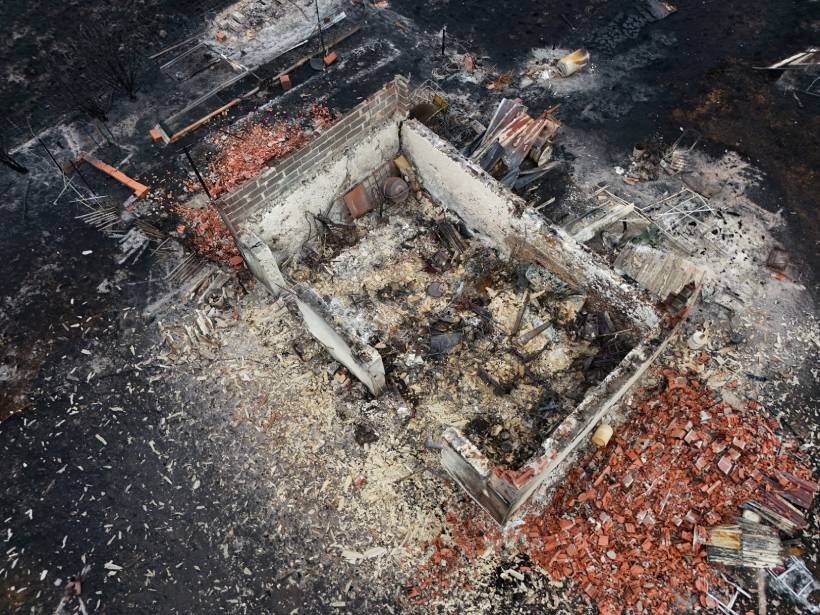
Europe‘s worst wildfire season in recent history is doing more than destroying forests, homes, and livelihoods. It is exposing a growing weakness in the continent’s ability to finance climate disasters. While insurers are expected to absorb billions of euros in losses from fires sweeping across France, Spain, and Greece, the larger concern is whether Europe’s insurance system can withstand increasingly frequent and destructive climate events.
As climate change intensifies extreme weather, the financial risks are no longer limited to governments and emergency services. They are increasingly becoming a challenge for insurers, businesses, homeowners, and policymakers seeking to close a widening protection gap.
Wildfires Push Insurance Losses Higher
France has become the epicentre of Europe’s wildfire crisis, with authorities evacuating around 220,000 people as unprecedented fires continue to burn across large parts of the country. Similar disasters in Spain and Greece have reinforced concerns about the rising economic cost of climate related catastrophes.
According to Morningstar DBRS, total economic losses from the French wildfires could reach between €10 billion and €15 billion, while insured losses are expected to amount to several billion euros. Although these losses remain manageable for the insurance industry, analysts warn they could become significantly larger if future fires spread into densely populated urban centres.
Stay ahead of the geopolitical week.
MD Briefing delivers expert analysis across five global fronts — the Indo-Pacific, energy, geoeconomics, European security, and the Middle East — every Monday morning. Free.
A wildfire reaching a city such as Bordeaux would dramatically increase claims related to homes, businesses, infrastructure, and commercial activity, creating a financial burden far beyond current estimates.
The Hidden Costs Extend Beyond Burned Homes
The financial consequences of wildfires extend well beyond physical property damage.
Insurance companies are preparing for claims linked to emergency evacuations, temporary accommodation, business interruption, disrupted supply chains, and utility outages. Many businesses forced to suspend operations during evacuations may also seek compensation for lost revenue.
French insurers have already introduced emergency measures allowing evacuated policyholders to stay in hotels for up to three weeks at their insurers’ expense, illustrating how climate disasters increasingly generate indirect economic costs alongside direct physical damage.
Europe’s Climate Protection Gap Is Widening
The latest wildfires have renewed attention on Europe’s growing climate insurance protection gap, the difference between total disaster losses and the portion covered by insurance.
The gap remains substantial.
In Spain, wildfires during 2025 caused nearly €5 billion in damage, yet less than €1 billion was insured. Across Europe, the European Central Bank and the European Union’s insurance regulator estimate that only around one quarter of climate related catastrophe losses between 1980 and 2024 were covered by insurance.
The remaining financial burden falls on governments, businesses, and individual households, increasing public spending pressures after every major disaster.
Climate Change Is Reshaping Insurance Risk
Insurance companies rely heavily on historical disaster data to estimate future risks and calculate premiums.
Climate change is making those historical models increasingly unreliable.
Wildfires are occurring more frequently, lasting longer, and spreading into regions that previously faced relatively limited fire danger. Analysts warn that the lack of long term European wildfire data could complicate insurers’ ability to accurately price future policies.
Climate projections already indicate that areas surrounding major French cities could experience nearly 70 percent more high risk wildfire days annually by 2050, suggesting today’s risks may become tomorrow’s baseline.
Higher Premiums May Become Unavoidable
Although insurers currently consider the financial impact manageable, industry experts expect premiums to rise, particularly in areas increasingly exposed to wildfire risk.
For many homeowners, those increases may be unavoidable.
Property insurance remains widespread in France because mortgage lenders generally require homeowners to maintain coverage, while tenants are legally required to hold home insurance. As insurers adjust pricing to reflect greater climate risks, households could face steadily increasing insurance costs even if they never experience direct fire damage.
The trend mirrors developments already seen in wildfire prone regions such as California and Australia, where rising risks have significantly increased insurance premiums and, in some cases, reduced insurers’ willingness to offer coverage altogether.
Governments Face Growing Pressure
The wildfire season also raises broader policy questions about how Europe will finance future climate disasters.
Unlike floods and droughts, wildfires are not covered by France’s state backed natural disaster compensation system, leaving private insurers responsible for most recovery costs. If wildfire intensity continues increasing, governments may face mounting pressure to expand public support mechanisms or establish new catastrophe insurance programmes.
European policymakers have already begun exploring ways to narrow the continent’s protection gap, though discussions remain at an early stage.
Climate Risk Is Becoming a Financial Risk
The current wildfire season demonstrates that climate change is no longer solely an environmental challenge. It has become a financial and economic issue affecting insurance markets, government budgets, business continuity, and household resilience.
While insurers appear capable of managing today’s losses, the longer term outlook is far less certain. More frequent extreme weather events, rising reconstruction costs, and expanding exposure could fundamentally reshape Europe’s insurance industry over the coming decades.
The immediate crisis may eventually subside, but unless climate resilience and insurance coverage evolve together, Europe’s widening protection gap is likely to become one of the defining economic consequences of climate change.
With information from Reuters.
