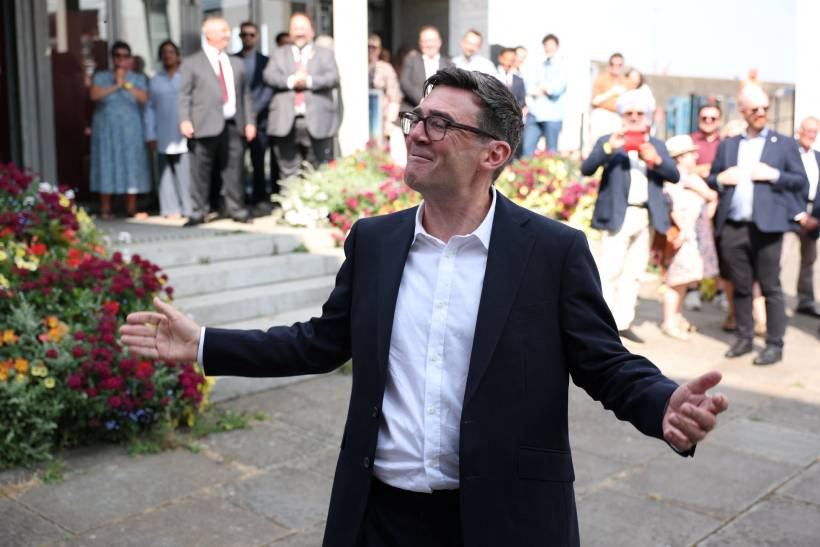
British Prime Minister Andy Burnham announced on Tuesday plans to cut taxes on electricity bills as a way to alleviate the cost-of-living burden on households. Starting October 1, his government will remove value-added tax from domestic electricity bills, which will lower the average annual cost by about £45, from approximately £1,862 ($2,490). This decision comes as part of Burnham’s early efforts to show commitment to helping citizens facing economic challenges, a response to frustrations with past governments’ failures to initiate significant change.
Burnham emphasized that the tax cut will be financed by canceling a £1.8 billion digital ID program, which was announced just prior to his tax cut proposal. He aims to provide immediate relief and instill a sense of hope among the public, expressing the need for “breathing space” in people’s lives. Despite his swift actions, Burnham acknowledged that his initial measures might not completely ease financial pressures for families, indicating that a comprehensive plan would be shared later in the year.
During his first cabinet meeting, he highlighted the importance of fiscal discipline while encouraging ministers to consider budget constraints. His finance minister, John Healey, stressed the need for careful budget management and confirmed that the electricity bill reduction demonstrates a commitment to providing assistance, even if it doesn’t entirely address the rising cost of living. Energy prices have surged, primarily due to the rising wholesale gas costs influenced by geopolitical events, adding to the financial strain on families.
Critics, including a Labour Party ally to the former prime minister, questioned the viability of Burnham’s funding for energy bill reductions, emphasizing that the government must clarify its financial strategy in future budgets. Furthermore, it was noted that the tax cut might disproportionately benefit higher-income households, as it is not specifically targeted to those most in need.
Burnham is planning to introduce additional policies aimed at providing quicker relief, especially for low-income families, as he seeks to regain public support for the Labour Party and address rising competition from the Reform UK party. He expresses a commitment to improving the lives of citizens, citing ambitions such as ending rough sleeping and possibly capping bus fares, reminiscent of initiatives he previously enacted in Greater Manchester.
With information from Reuters