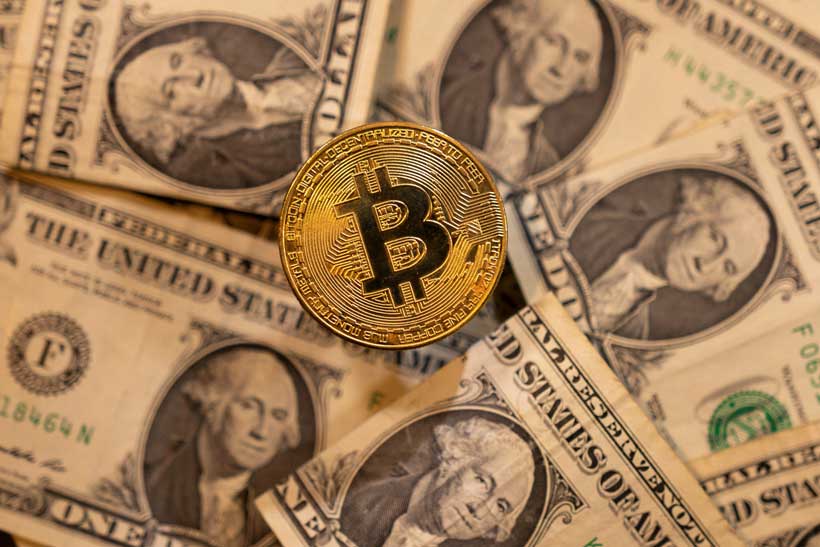
Hackers stole $6.3 billion from Binance, marking the largest theft in the cryptocurrency world. This incident highlights the varying ways cryptocurrency exchanges insure their assets against theft and cyberattacks. Insurance protection is not consistent, as it relies on how assets are stored, the methods used by hackers to gain access, and the specific details of the insurance policy. Insurers have been cautious due to limited regulation and fluctuating crypto prices, despite an increasing demand for safeguards against digital asset theft.
Digital asset insurance includes policies designed to protect cryptocurrency exchanges, custodians, and related businesses from financial losses due to theft, cyberattacks, and other risks. These policies differ from traditional insurance by being tailored to address risks associated with blockchain, such as private key theft and wallet security issues. The global crypto insurance market, valued at $9.37 billion in 2025, is expected to grow to $184.98 billion by 2033 due to more institutional adoption of crypto and rising cyberthreats.
Coverage options in crypto insurance can include crime insurance for theft, cyber liability for breaches, errors and omissions insurance for software problems, directors and officers insurance for lawsuits, and technology liability for providers. When a crypto exchange is hacked, losses may be covered by insurance payouts, the company’s own funds, and emergency reserves. The amount of insurance coverage varies based on the policy’s terms, including limits and exclusions.
Insurance policies often have exclusions that can result in denied claims, which may restrict the level of coverage available. Common exclusions involve fluctuations in asset value, fraud by the insured, and poor key management. Most traditional crime and cyber insurance policies do not cover cryptocurrency losses, as they were designed for physical assets. Insurers evaluate claims by investigating the breach’s circumstances and assessing the exchange’s adherence to security protocols.
Stay ahead of the geopolitical week.
MD Briefing delivers expert analysis across five global fronts — the Indo-Pacific, energy, geoeconomics, European security, and the Middle East — every Monday morning. Free.
With information from Reuters