


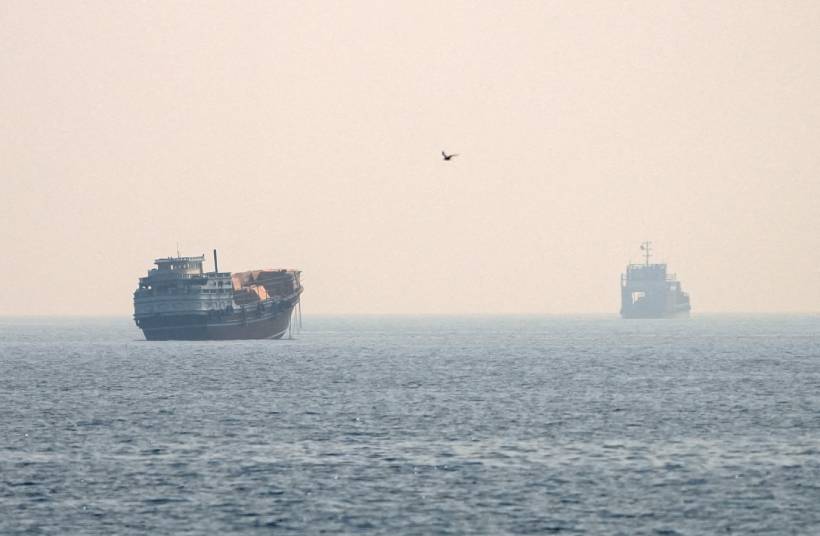
Tehran has stopped trying to reopen the Strait of Hormuz. It is trying to own it. That distinction, more than any ceasefire announcement or memorandum signed in June, is what will determine how global energy markets, Gulf economies, and Western naval planning look for the rest of this decade.
A Ceasefire That Was Never Real
On Tuesday, large tankers stopped crossing the Strait of Hormuz. Not slowed, stopped. Lloyd’s List Intelligence reported that no vessel above ten thousand deadweight tonnes transited the American coordinated corridor with its transponder switched on since July 7, with only a couple of ships believed to have crossed dark. Two days earlier, President Trump declared the ceasefire with Iran over, after three commercial vessels were attacked on July 6 and 7. A day later he walked that statement back, saying the exchange of fire would not lead to sustained military action. Oil markets, which spent June pricing in a return to normal Gulf shipping, are relearning a lesson they should never have unlearned. Normal is not coming back, and pretending it might is the single biggest error in current Western coverage of this crisis.
to read the full analysis, please subscribe to our MD Briefing here
Stay ahead of the geopolitical week.
MD Briefing delivers expert analysis across five global fronts — the Indo-Pacific, energy, geoeconomics, European security, and the Middle East — every Monday morning. Free.
