


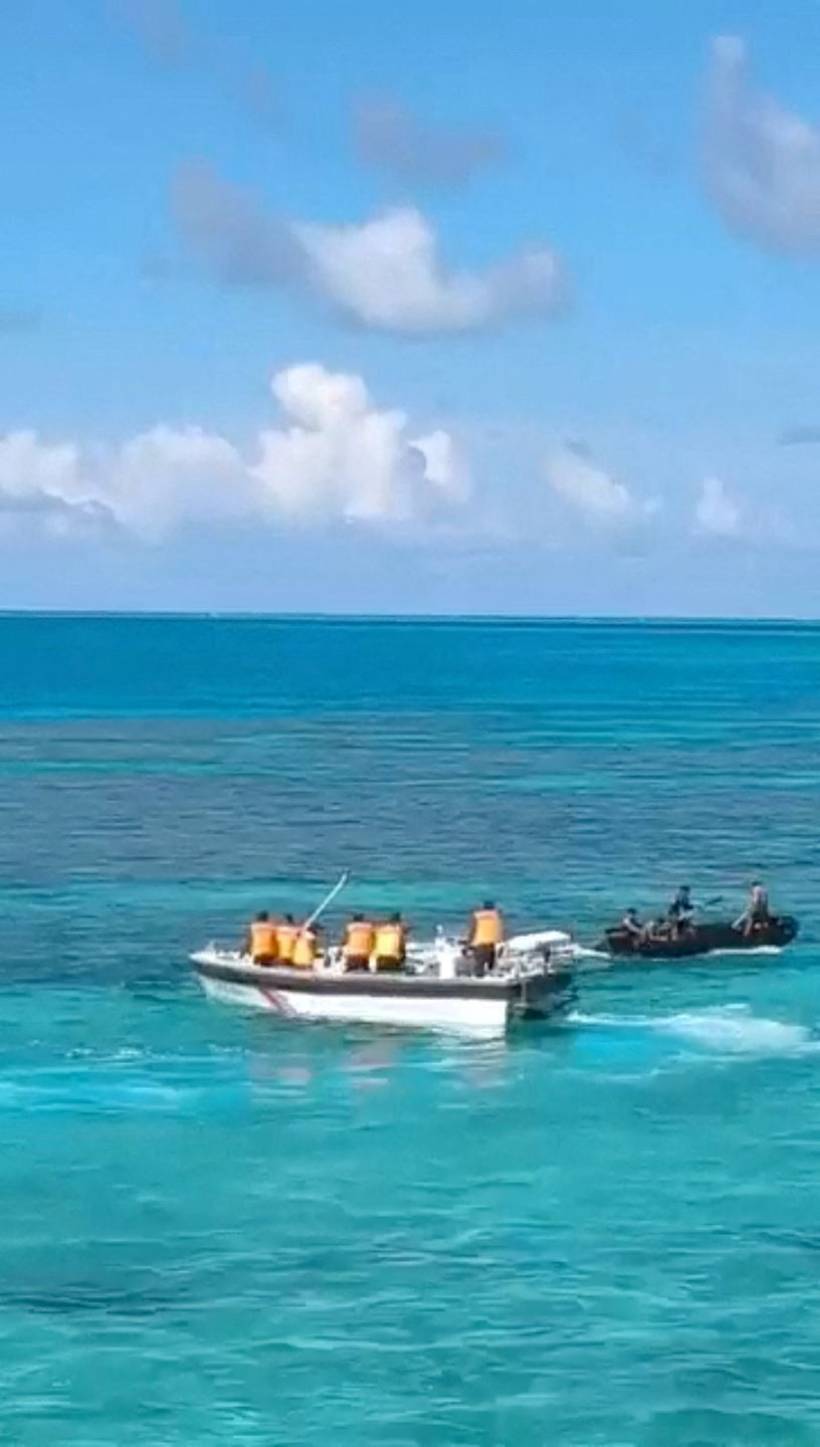
China’s latest coast guard patrols east of Taiwan mark another step in Beijing’s long-term strategy to reshape the security environment around the island without resorting to direct military confrontation. While Chinese authorities described Friday’s patrols as routine law enforcement operations designed to protect navigation and fishermen, Taiwan dismissed them as a politically motivated attempt to expand Beijing’s control over waters beyond the Taiwan Strait. The incident reflects China’s growing reliance on gray zone tactics, where civilian maritime agencies are increasingly used to achieve strategic objectives that would traditionally fall to the military.
Why Taiwan’s Eastern Waters Matter
The location of these patrols makes them particularly significant. Rather than operating only in the Taiwan Strait, Chinese coast guard vessels were detected near Taiwan’s eastern coastline around Orchid Island, an area that has historically been considered Taiwan’s strategic rear. Unlike the heavily contested western side facing mainland China, Taiwan’s Pacific coast has remained relatively insulated from persistent Chinese maritime operations and serves as a critical corridor for potential wartime logistics, reinforcement and humanitarian assistance from partners such as the United States and Japan. By extending regular patrols into these waters, Beijing is demonstrating that no part of Taiwan’s surrounding maritime space lies beyond its operational reach.
Gray Zone Operations Become Beijing’s Preferred Tool
China’s increasing use of its coast guard reflects an evolution in its approach toward Taiwan. Coast guard vessels provide Beijing with an instrument that sits between diplomacy and military force. Unlike People’s Liberation Army naval ships, coast guard vessels can present their activities as civilian law enforcement while still advancing territorial claims and challenging Taiwan’s authority. This strategy complicates Taiwan’s response because deploying military assets against coast guard vessels risks escalating tensions, while ignoring such incursions could gradually normalize China’s presence in contested waters. The result is a slow but deliberate expansion of Chinese influence without crossing the threshold that would likely provoke a direct international military response.
A Test for Taiwan and Its Partners
Taiwan’s response underscores the growing importance of maritime security in its defense strategy. The deployment of Taiwan Coast Guard vessels to shadow Chinese ships and the government’s condemnation of the patrols as “fake law enforcement, real expansion of power” highlight Taipei’s concern that these operations are designed to erode its effective control over surrounding waters. This week’s rare public disclosure of cooperation between the United States and Taiwan coast guards further signals that maritime law enforcement has become an increasingly important dimension of international support for Taiwan, complementing traditional military cooperation.
Stay ahead of the geopolitical week.
MD Briefing delivers expert analysis across five global fronts — the Indo-Pacific, energy, geoeconomics, European security, and the Middle East — every Monday morning. Free.
Regional Security Implications
For regional security, the implications extend beyond the immediate encounter. China’s expanding coast guard operations increase the likelihood of frequent maritime standoffs, raising the risk of miscalculation while allowing Beijing to strengthen its claims incrementally. These actions also test the willingness of regional partners to respond to gray zone coercion, where legal ambiguity and nonmilitary actors make collective responses more difficult than conventional military aggression.
What Comes Next?
The patrols east of Taiwan demonstrate that Beijing’s strategy is no longer confined to military deterrence or political rhetoric. China is increasingly pursuing a gradual campaign to reshape the operational reality around Taiwan through persistent maritime presence and law enforcement activities. If these operations continue, they could fundamentally alter the security dynamics of the western Pacific by normalizing China’s presence in areas once considered outside its routine operational reach. The challenge for Taiwan and its partners will be preventing incremental coercion from becoming an accepted new status quo without allowing competition to escalate into open conflict.
With information from Reuters.
