


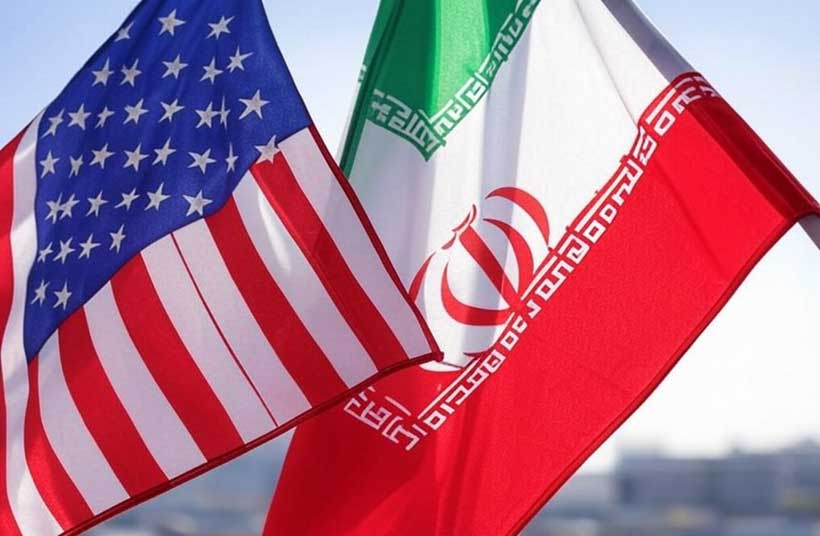
The ceasefire between the United States and Iran, brokered last month after four months of conflict, was intended to create a 60 day window for negotiations on a permanent agreement and restore stability to the Gulf. The conflict began with U.S. and Israeli strikes across Iran and escalated into the largest disruption to global energy markets in decades, with Tehran restricting access through the Strait of Hormuz and severely disrupting oil exports.
Although both sides agreed to pause direct hostilities, tensions remained high. Washington repeatedly warned that it would resume military action if Iran threatened shipping in the Strait of Hormuz, while Tehran insisted it would retain control over navigation and rejected what it viewed as foreign interference. The fragile truce has also been tested by disagreements over sanctions, oil exports and the future of Iran’s nuclear programme.
The latest military exchanges now threaten to unravel the ceasefire and raise fears of another broader regional conflict.
Overview
Iran said it launched missile and drone attacks against U.S. military sites in Bahrain and Kuwait on Wednesday after the United States carried out a new wave of military strikes on Iranian targets in response to attacks on commercial shipping in the Strait of Hormuz.
Stay ahead of the geopolitical week.
MD Briefing delivers expert analysis across five global fronts — the Indo-Pacific, energy, geoeconomics, European security, and the Middle East — every Monday morning. Free.
The Islamic Revolutionary Guard Corps said it targeted the U.S. Fifth Naval District in Bahrain and Ali Al Salem Air Base in Kuwait while also claiming to have shot down a U.S. MQ 9 drone during the operation.
The attacks followed fresh U.S. military strikes against Iranian naval and missile assets and the revocation of a licence that had allowed Iran to continue limited oil exports under the interim ceasefire agreement.
The latest escalation marks one of the most serious challenges yet to the fragile peace framework negotiated between Washington and Tehran.
Iran Targets U.S. Military Installations
Iran’s Revolutionary Guards said the operation involved missiles and drones aimed at key U.S. military facilities in Bahrain and Kuwait.
Air raid sirens sounded in both Gulf states, while Kuwaiti authorities said their air defence systems were responding to hostile missiles and drones.
Iran also claimed it had downed a U.S. MQ 9 surveillance drone that attempted to interfere with the operation.
Neither Bahrain nor the United States immediately confirmed the extent of damage caused by the attacks.
United States Responds With New Military Strikes
Earlier on Wednesday, the United States launched strikes against multiple Iranian military targets after attacks on commercial vessels in the Strait of Hormuz.
According to U.S. Central Command, the operation targeted more than 60 Islamic Revolutionary Guard Corps fast attack boats as well as Iranian air defence systems, coastal surveillance installations, anti ship cruise missiles, surface to air missiles and drone launch sites.
Washington said the strikes were intended to impose significant costs on Iran following attacks that it said violated the ceasefire and threatened freedom of navigation through one of the world’s most important energy corridors.
Iran condemned the strikes as a blatant act of aggression and warned of a forceful response.
Oil Sanctions Deepen the Crisis
Alongside the military response, Washington revoked a temporary licence that had allowed Iran to continue selling crude oil and petroleum products under the interim agreement.
The decision effectively restores tighter economic pressure on Tehran and gives companies until mid July to wind down transactions involving Iranian oil.
Iran’s Foreign Ministry described the move as a violation of the ceasefire framework and said the country would take all necessary measures to protect its national interests.
The combination of renewed sanctions and military action has further complicated already stalled negotiations on a permanent peace agreement.
Commercial Shipping Faces Renewed Threats
The latest violence has once again placed commercial shipping through the Strait of Hormuz under intense pressure.
Qatar accused Iran of attacking commercial vessels operating in the waterway, including a Qatari liquefied natural gas tanker that reportedly caught fire after being struck by a drone.
A Saudi flagged crude tanker was also reported damaged near Oman, although the cause remained unclear.
Iran denied responsibility for the incidents but warned that vessels using routes not coordinated with Tehran could face security risks.
The Strait of Hormuz handles a significant share of global oil and liquefied natural gas exports, making any disruption a major concern for international energy markets.
Oil Prices Rise on Supply Concerns
Energy markets reacted quickly to the renewed escalation.
Oil prices climbed more than three percent after the United States revoked Iran’s oil export licence and launched new strikes.
Traders are increasingly concerned that further military action or restrictions on shipping could disrupt global energy supplies and place renewed upward pressure on fuel prices.
The latest developments reverse earlier optimism that the ceasefire would stabilise markets and allow regional exports to recover.
Diplomatic Efforts Under Pressure
The interim ceasefire was designed to provide time for negotiations on a long term settlement between Washington and Tehran.
However, indirect talks in Qatar ended without significant progress, and both sides have since accused each other of violating the agreement.
U.S. President Donald Trump has warned that military action could resume unless Iran reaches a broader agreement, while Iranian Foreign Minister Abbas Araqchi has said negotiations cannot move forward while threats continue.
The latest exchange of military action further reduces the prospects for a diplomatic breakthrough.
Why It Matters
The renewed confrontation significantly increases the risk that the temporary ceasefire could collapse entirely.
A wider conflict would threaten one of the world’s most important energy routes, disrupt global oil supplies, increase shipping risks and deepen instability across the Gulf.
The crisis also complicates diplomatic efforts to reach a permanent agreement on Iran’s nuclear programme, sanctions relief and maritime security.
Stakeholders
Iran
Seeking to defend its strategic position while responding to U.S. military and economic pressure.
United States
Attempting to deter attacks on commercial shipping and maintain freedom of navigation in the Gulf.
Bahrain and Kuwait
Hosting key U.S. military facilities that have become potential targets in the conflict.
Gulf Energy Producers
Facing renewed uncertainty over oil exports and regional security.
Global Energy Markets
Closely monitoring the Strait of Hormuz as disruptions could affect oil prices and supply chains worldwide.
International Shipping Industry
Managing heightened security risks for vessels operating through one of the world’s busiest maritime corridors.
What Happens Next
Attention will focus on whether either side launches further military operations or returns to indirect negotiations aimed at preserving the ceasefire.
Markets will closely monitor shipping activity through the Strait of Hormuz, while regional governments are expected to strengthen security around critical energy infrastructure and military facilities.
Diplomatic efforts involving Gulf states and international mediators are also likely to intensify as they seek to prevent the confrontation from escalating into another prolonged regional war.
Analysis
The latest exchange illustrates how fragile the U.S. Iran ceasefire has become. Rather than resolving underlying disputes, the agreement merely paused active hostilities while leaving fundamental disagreements over sanctions, maritime security and Iran’s regional influence unresolved.
The simultaneous use of military strikes and economic pressure by Washington suggests the United States is attempting to deter Iranian actions without abandoning negotiations entirely. Iran, meanwhile, appears determined to demonstrate that it retains the capability to retaliate against U.S. military assets and influence events in the Gulf despite sustained military pressure.
The broader implications extend well beyond the two countries. Bahrain and Kuwait have now been drawn more directly into the confrontation because of their role in hosting U.S. military facilities, increasing security risks for Gulf partners. Continued attacks around the Strait of Hormuz also threaten global energy markets, where even limited disruptions can quickly translate into higher oil prices and increased shipping costs.
Unless both sides find a way to restore confidence in the ceasefire framework, the risk of further escalation will remain high. Even if a full scale war is avoided, recurring military exchanges and economic retaliation are likely to keep regional tensions elevated and prolong uncertainty for global energy markets and international trade.
With information from Reuters.
