


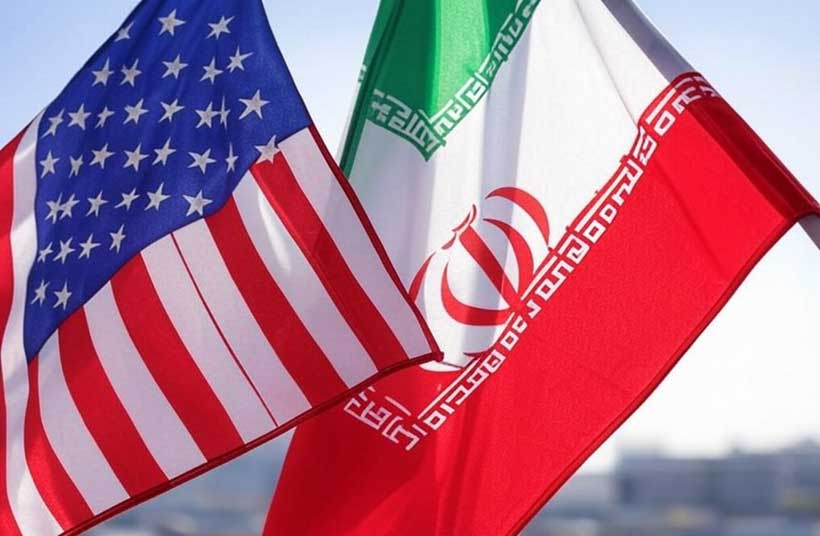
Fresh disagreements between the United States and Iran have emerged just days after the two sides signed a framework agreement aimed at ending months of conflict. President Donald Trump said Iran had agreed to allow nuclear inspections “into infinity,” while Iranian officials rejected the claim, insisting that the country’s nuclear program was not discussed during the latest round of talks in Switzerland.
The conflicting accounts extend beyond nuclear issues. Washington and Tehran are also disputing the handling of frozen Iranian assets, future shipping arrangements in the Strait of Hormuz, and the status of Israel’s military operations in Lebanon. The disagreements are raising doubts about whether the fragile agreement can survive the 60 day negotiating period intended to produce a broader settlement.
Why It Matters
The peace deal halted a war that disrupted global energy markets and threatened wider regional instability. However, the latest disputes suggest that key elements of a final agreement remain unresolved. If negotiations break down, tensions could quickly return, affecting oil markets, regional security, and diplomatic relations across the Middle East.
The disagreements are also emerging as Trump faces growing domestic criticism over the conflict and declining public support for his Iran policy.
Stay ahead of the geopolitical week.
MD Briefing delivers expert analysis across five global fronts — the Indo-Pacific, energy, geoeconomics, European security, and the Middle East — every Monday morning. Free.
Nuclear Inspections Become First Major Test of Peace Agreement
The most significant disagreement centers on Iran’s nuclear program, one of the most sensitive issues in U.S. Iran relations. Trump stated that Tehran had accepted the highest level of international nuclear inspections indefinitely, portraying it as a major diplomatic achievement.
Iran swiftly rejected that characterization. Iranian officials said nuclear issues were not part of the recent negotiations and denied agreeing to allow inspectors from the International Atomic Energy Agency back into the country. The framework agreement itself reportedly postpones detailed nuclear discussions until the next phase of negotiations.
The conflicting statements expose a major gap between the two sides’ understanding of what was agreed. Since concerns over Iran’s nuclear ambitions have long been a driving force behind Western sanctions and regional tensions, any failure to bridge this divide could threaten the entire peace process.
Disputes Over Frozen Assets and Economic Relief Persist
Economic issues have emerged as another source of tension. The agreement includes provisions for easing sanctions and granting Iran access to overseas assets that have been frozen under international restrictions.
Trump said the released funds would be directed toward purchases of food and medical supplies from the United States. Iran, however, insists it will have full control over how the money is spent once it is unfrozen.
The framework also includes a proposed $300 billion reconstruction fund and a temporary easing of sanctions that would allow Iran to resume oil exports and receive payments. These economic incentives are central to Tehran’s willingness to continue negotiations, making disagreements over implementation particularly significant.
Strait of Hormuz Remains Potential Flashpoint
The agreement has helped restore shipping through the Strait of Hormuz, a waterway that carries roughly one fifth of global energy supplies. However, questions remain about how the route will be managed after the initial 60 day period.
Iran has indicated that it could impose fees or other charges on vessels using the strategic passage in the future. The United States has strongly opposed that possibility, with Secretary of State Marco Rubio stating that Iran would not be permitted to levy tolls under any final agreement.
Meanwhile, international efforts are underway to assist thousands of seafarers stranded during the conflict and to restore confidence in one of the world’s most important shipping lanes.
Lebanon Conflict Adds Another Layer of Complexity
The future of Israel’s military presence in Lebanon has also become a contentious issue. Iranian officials argue that the peace framework requires Israeli forces to withdraw from Lebanese territory, while Israel maintains it will preserve a security zone and continue operations against perceived threats.
The disagreement highlights the broader regional dimensions of the conflict. Even as negotiations continue, violence in southern Lebanon has raised concerns that local confrontations could undermine wider diplomatic efforts.
The Lebanon issue demonstrates how difficult it may be to separate the U.S. Iran agreement from the broader network of regional conflicts involving Iranian aligned groups and Israeli security interests.
Stakeholders
- Donald Trump
- Iranian government
- Iranian Foreign Ministry
- International Atomic Energy Agency
- U.S. State Department
- Marco Rubio
- Israeli government
- Hezbollah
- Oman
- United Nations
- Global shipping companies
- International energy markets
- American voters
- Gulf Arab states
Future Outlook
The next 60 days will be critical in determining whether the framework agreement evolves into a durable peace accord or unravels under the weight of unresolved disputes. Nuclear inspections are likely to become the most difficult issue, given the starkly different interpretations offered by Washington and Tehran.
Progress on sanctions relief, access to frozen assets, and security arrangements in the Strait of Hormuz will also be closely watched. Any breakdown in negotiations could reignite military tensions, threaten global energy supplies, and deepen political pressure on both governments.
At the same time, domestic opposition in the United States is growing. Congressional efforts to limit the conflict and declining public support suggest that Trump may face increasing pressure to secure a diplomatic breakthrough rather than return to military confrontation.
With information from Reuters.
