


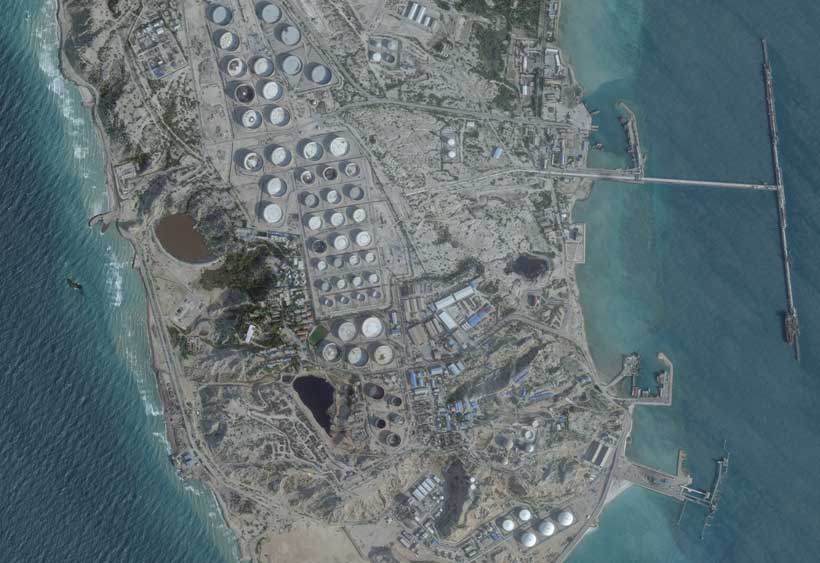
The Iran war has transformed one of the energy industry’s least celebrated businesses into one of its most profitable. Refining margins have surged to record levels as conflict across the Middle East and Russia disrupted global fuel supplies, giving major oil companies an unexpected earnings windfall. While analysts expect the rally to continue for several years, structural shifts in global energy demand suggest the boom is unlikely to become permanent.
Conflict Revives a Forgotten Industry
For much of the past two decades, oil refining was widely viewed as a declining business.
Western energy giants steadily reduced refining operations as volatile margins, rising environmental costs, and growing competition from state backed refiners in Asia and the Middle East eroded profitability. Expectations that electric vehicles would sharply reduce fuel demand further discouraged investment in new refining capacity.
Between 2005 and 2025, the combined refining capacity of BP, Chevron, Exxon Mobil, Shell, and TotalEnergies fell from 16.4 million barrels per day to just 10.4 million barrels per day, reducing their share of global refining capacity from 22 percent to around 13 percent. Shell led the retreat, shrinking its refining portfolio from 40 facilities to only seven.
Stay ahead of the geopolitical week.
MD Briefing delivers expert analysis across five global fronts — the Indo-Pacific, energy, geoeconomics, European security, and the Middle East — every Monday morning. Free.
The outbreak of the Iran war has dramatically reversed that narrative.
Middle East Conflict Tightens Global Fuel Supplies
The prolonged disruption of the Strait of Hormuz has significantly restricted crude oil flows to refineries worldwide, while Iranian strikes on refining infrastructure across the Middle East have damaged production capacity.
At the same time, China has responded by reducing refinery operations and limiting fuel exports as crude imports declined. These combined disruptions removed approximately five million barrels per day of global refining output during the second quarter, according to International Energy Agency estimates.
Compounding the supply shock, Ukrainian drone attacks on Russian refineries forced Moscow to halt diesel exports, pushing diesel prices sharply higher across international markets.
The result has been an unusually tight global fuel market where refiners possess substantial pricing power.
Big Oil Records Exceptional Profits
The tightening of refined fuel supplies has translated directly into stronger financial performance for major oil companies.
BP’s global refining margin indicator climbed from 12 dollars per barrel a year earlier to 30 dollars during the second quarter, before averaging around 42 dollars per barrel during the third quarter.
Exxon Mobil reported downstream earnings of 5.5 billion dollars, its strongest performance since 2022, driven by record diesel production. Chevron’s refining division generated 4.9 billion dollars, marking its highest downstream profit this decade.
Shell also posted exceptional results, with adjusted earnings of 2.5 billion dollars from its products division while refinery utilization exceeded 100 percent.
TotalEnergies Chief Executive Patrick Pouyanne described the refining segment’s performance as “exceptional,” reflecting industry wide profitability.
Limited Capacity Strengthens Pricing Power
Unlike previous periods of high refining margins, the current rally is supported by an unusually tight global supply environment.
Refineries in the United States, which have become critical suppliers during the conflict, have been operating at approximately 97 percent capacity, well above long term averages.
Meanwhile, spare refining capacity globally remains extremely limited. Repairing damaged facilities in the Middle East and Russia is expected to take months, and in some cases several years, preventing a rapid increase in global fuel production.
This scarcity continues to support elevated refining margins.
Energy Security Is Creating New Demand
Governments are also contributing to stronger refining demand.
The disruption caused by the Iran war has revived concerns about energy security, prompting many countries to expand strategic reserves of crude oil and refined fuels.
Global oil inventories fell by more than five million barrels per day during the second quarter, with further declines expected in the third quarter. Rebuilding depleted stocks of diesel, gasoline, and jet fuel is likely to require several years of sustained refinery output.
Consultancy Wood Mackenzie expects refining margins to remain relatively strong through the remainder of the decade as inventory rebuilding combines with steady oil demand growth.
Long Term Challenges Remain
Despite the current profitability, analysts caution that today’s refining boom is driven by geopolitical disruption rather than lasting improvements in industry fundamentals.
Higher margins are largely the result of damaged infrastructure, restricted supply routes, and reduced global refining capacity rather than stronger structural demand.
As stability gradually returns, countries that experienced fuel shortages may accelerate investments in domestic refining capacity. Australia has already begun considering additional refining infrastructure, and similar projects could emerge elsewhere.
Over time, new refinery construction could restore excess capacity and place downward pressure on refining margins once again.
A Temporary Golden Age
The Iran war has temporarily transformed refining into one of the strongest performing segments of the global energy industry. For oil majors, years of underinvestment have unexpectedly become an advantage as constrained capacity allows surviving refineries to command exceptional margins.
However, the sector’s long term outlook remains unchanged. As geopolitical tensions ease, damaged facilities return to operation, and new refining projects come online, today’s extraordinary profits are unlikely to endure. The current windfall represents a rare opportunity created by conflict rather than a permanent revival of the refining industry.
With information from Reuters.
