


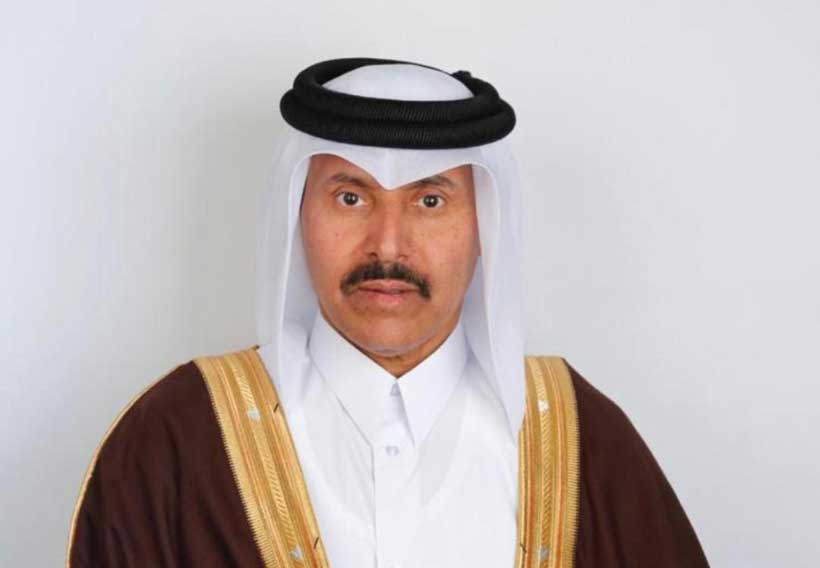
In this exclusive conversation, Sheikh Ahmed bin Nasser Al Thani, Ambassador Extraordinary and Plenipotentiary of the State of Qatar to Russia, discusses the firsthand experiences as an expatriate adapting to professional and social life in the Russian Federation. In June 2026, Nasser Al Thani was finally selected as one of the winners of the Bridge Award, which aims to highlight the contributions of foreign nationals and repatriates to the development of Moscow and Russia, helping to preserve the memory of Russia’s historical appeal to outstanding foreigners and their roles in the country’s history.
The initiative to tap best brains from around the world, created under a presidential decree, enhances the understanding of Russia’s public and cultural diplomacy. The award features 12 categories. The highest number of applications came from the United States. The Bridge Award is organized with the support of the Ministry of Foreign Affairs of the Russian Federation. Here are Nasser Al Thani’s interview excerpts:
What really motivated you to participate in the first competition for Bridge Awards?
Nasser Al Thani: We view the establishment of this award as a positive initiative that contributes to revitalizing social work and fostering cultural, social, and practical connections between the Russian Federation and other countries. In this context, we have decided to participate in the “Bridge Award” as part of our ongoing efforts to strengthen relations between the State of Qatar and the Russian Federation across various fields.
Stay ahead of the geopolitical week.
MD Briefing delivers expert analysis across five global fronts — the Indo-Pacific, energy, geoeconomics, European security, and the Middle East — every Monday morning. Free.
You were selected by the jury for the charity category. What are the implications of this category?
Nasser Al Thani: First, I would like to express my sincere gratitude to the award organizers and the members of the judging committee for selecting me in this category. I believe this recognition reflects, above all, the importance of charitable and humanitarian work, as well as the positive impact it has on people’s lives, on relationships within communities, and on connections between nations.
Do you think the “Time to Live in Russia” program has good future perspectives for foreign citizens who choose to relocate and live in Russia?
Nasser Al Thani: We consider this program to be an excellent initiative. It encourages scientists and professionals to relocate to the Russian Federation, offering a secure environment in which they can work, innovate, and build family life within a positive social community that shares their fundamental human and social values.
How would you characterize the International Bridge Award, which is sponsored by the Agency for Strategic Initiatives?
Nasser Al Thani: As I mentioned at the beginning, we see the Bridge Award as an especially important initiative that helps to highlight the role of social engagement and humanitarian work in strengthening ties with the Russian Federation. Moreover, the award’s sponsorship by the Agency for Strategic Initiatives, established by a decree of His Excellency President Vladimir Putin, President of the Russian Federation, gives this project credibility and reflects Russia’s commitment, at the highest level, to building friendly relations with others. For this reason, the award serves as a message from Moscow to the world, signaling openness to friendship and a readiness to support humanitarian initiatives that strengthen connections between societies, thereby providing a solid foundation for interstate relations.
