


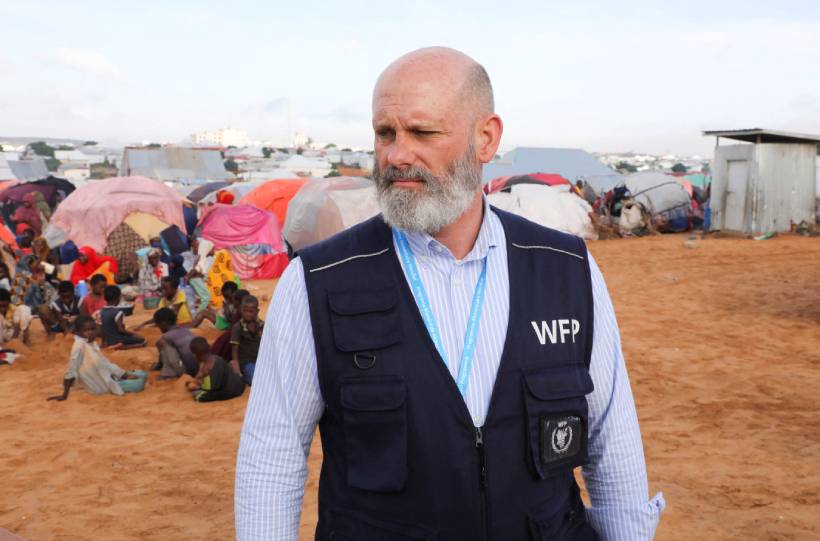
The expanding conflict in the Middle East is creating far-reaching humanitarian consequences beyond the region, with the World Food Programme warning that millions of people worldwide are being pushed closer to hunger. Rising energy prices, disrupted shipping routes, and growing aid funding shortages are combining to worsen food insecurity in some of the world’s most vulnerable countries.
The crisis began after U.S. and Israeli strikes on Iran in February triggered a wider regional conflict that disrupted critical trade corridors, including the Strait of Hormuz. As shipping costs and fuel prices surged, the effects quickly spread through global supply chains, increasing the cost of transporting food, fuel, and humanitarian assistance.
Countries heavily dependent on imported food and energy, particularly Afghanistan and Somalia, have been among the hardest hit. Humanitarian agencies now warn that food insecurity is worsening at a time when aid organizations are already facing severe funding shortages.
Why It Matters
The crisis illustrates how modern conflicts can generate global humanitarian consequences far beyond the battlefield. While the fighting is concentrated in the Middle East, its economic effects are being transmitted worldwide through energy markets, transportation networks, and supply chains.
Stay ahead of the geopolitical week.
MD Briefing delivers expert analysis across five global fronts — the Indo-Pacific, energy, geoeconomics, European security, and the Middle East — every Monday morning. Free.
Food insecurity is particularly sensitive to energy shocks because modern agriculture and food distribution depend heavily on fuel. Higher oil prices increase the cost of production, transportation, storage, and humanitarian logistics. As a result, households in poorer countries face rising food prices at the same time that humanitarian agencies struggle to maintain assistance programs.
The situation is especially concerning because it combines two reinforcing pressures: growing humanitarian needs and declining aid capacity. Even where food is available, aid agencies increasingly lack the financial resources to purchase and distribute it. This creates a risk that preventable food crises could escalate into wider humanitarian emergencies.
The crisis also highlights the interconnected nature of global security. Events in the Gulf are affecting food access in countries thousands of miles away, demonstrating how geopolitical instability can undermine development gains and increase vulnerability in already fragile states.
World Food Programme (WFP)
Struggling to maintain food assistance operations while facing rising costs and significant funding gaps.
Afghanistan
Among the countries most exposed to rising transport and energy costs, with millions already facing food insecurity.
Somalia
Experiencing severe hunger risks compounded by disrupted shipping routes and major humanitarian funding shortages.
United Nations Humanitarian Agencies
Confronting higher operational expenses and logistical challenges in delivering aid to vulnerable populations.
Oil Producing and Energy Exporting States
Playing a critical role in determining energy market stability and the trajectory of global fuel prices.
Donor Governments
Facing increasing pressure to provide humanitarian funding at a time of expanding global crises.
Vulnerable Populations
Particularly children, displaced communities, and low-income households that are most affected by rising food prices and reduced aid access.
Future Outlook
The humanitarian outlook remains deeply concerning. If energy prices remain elevated and disruptions to shipping routes continue, food insecurity is likely to worsen across several regions already facing economic fragility and climate-related challenges.
Afghanistan and Somalia represent the most immediate concerns, but the effects could spread to other import-dependent countries across Africa and Asia. Rising transportation costs may continue to limit humanitarian access, while funding shortages could force aid agencies to prioritize only the most severe emergencies.
A key variable will be the trajectory of the Middle East conflict. Any reduction in tensions that restores normal shipping patterns and lowers energy prices could ease pressure on global food markets. Conversely, prolonged instability could deepen supply chain disruptions and increase the number of people requiring emergency assistance.
The crisis also raises broader questions about the resilience of the global humanitarian system. As geopolitical conflicts, climate shocks, and economic disruptions increasingly overlap, aid agencies may face growing challenges in responding effectively without significant increases in international funding and coordination.
With information from Reuters.
