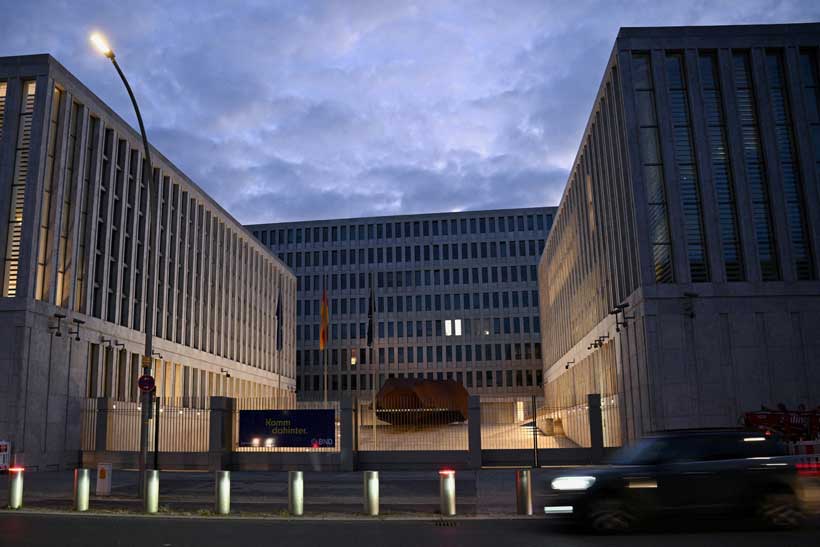
European intelligence services are investigating whether secret information was compromised by former German spy chief August Hanning, following his arrest this week on charges of espionage and treason. Hanning, who previously led Germany’s BND foreign intelligence service, was arrested alongside his former chief of staff. Reports indicate that the case does not involve Russia, but it raises concerns about the potential trafficking of hundreds of confidential documents.
Hanning left the BND in 2005, later starting a private consultancy. He is accused of paying an official, Manfred D., to provide him with confidential documents, totaling nearly 2,000, some of which are classified. Hanning is suspected of briefing foreign intelligence officials with information from these documents, though the specifics of what was shared remain unclear. Azerbaijan has denied any dealings with Hanning.
The documents in question primarily relate to briefing papers for the Chancellor’s office and other senior officials, rather than raw intelligence. Many European intelligence services are now reviewing the risk posed to material shared with Germany. Sources indicate that some intelligence from the CIA was also included in the compromised documents, though the CIA has not commented.
The allegations involve a timeframe after Hanning’s official government service. Nonetheless, an interior ministry spokesperson mentioned the investigation of possible breaches of confidentiality regulations during his tenure. German intelligence officials are particularly on edge due to a recent state election victory for the far-right Alternative for Germany party and the potential for leaks to Russia.
This incident is worrisome for the German intelligence community as the country strengthens its defense against perceived threats from Russia. The government has approved plans to enhance the intelligence services’ capabilities, emphasizing the importance of maintaining credibility.
Hanning has not publicly addressed the allegations. His lawyer stated that while Hanning possessed confidential documents, he harmed no national security interests by passing information to third parties and described the prosecution as wrongful.
Additionally, the case raises questions about the post-service business careers of former officials. Former Chancellor Gerhard Schroeder’s recent ties to Russian businesses have also drawn scrutiny. The parliamentary committee overseeing intelligence services expressed concern over former officials merging into the private sector without proper vetting. Lawmakers stress the need for structural changes to ensure the integrity of Germany’s intelligence agencies, especially amid current security challenges. Government officials are advocating for stricter regulations regarding the employment of senior security agency members after their service.
With information from Reuters