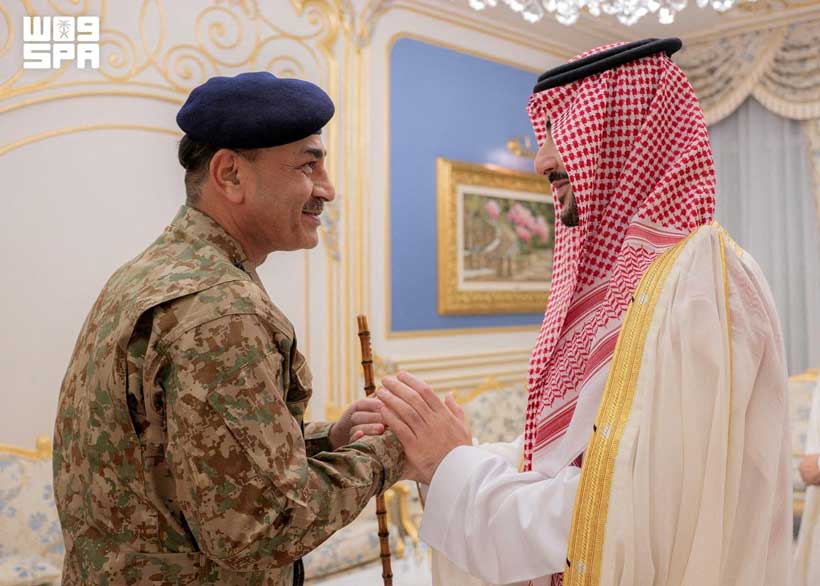
Eleven years after Pakistan decided against joining a Saudi-led intervention in Yemen, the country has now agreed to send more forces to Saudi Arabia without a parliamentary vote, showcasing the military’s strong influence on foreign policy under Field Marshal Asim Munir. This change follows a defense pact signed with Saudi Arabia and Turkey in August, which is now being activated due to increased attacks from Yemen’s Iran-backed Houthis.
Constitutional changes made last year gave Munir command over all military branches until 2030. Experts believe this deployment reflects the rising power of the military amidst ongoing political tensions, particularly with former prime minister Imran Khan’s party claiming the military is too involved in politics. Historically, the military respected parliamentary decisions, but current dynamics suggest a shift.
The Pakistani information ministry stated that necessary government procedures were followed for the alliance, but did not clarify the involvement of the cabinet or parliament, citing operational confidentiality. It remains unclear whether Pakistani troops will take part in direct combat against the Houthis, which could harm its role as a mediator in the US-led initiatives against Iran.
The Houthis have threatened Saudi shipping and recently targeted critical infrastructure. Following an emergency meeting with Saudi and Turkish defense leaders, it was announced that they would rapidly deploy military capabilities, though no specifics on troop numbers or missions were provided.
Unlike in 2015, when Pakistan’s parliament unanimously opted out of sending troops to Yemen, the current context reflects a political shift rather than a legal one, as the constitution now, like before, gives the government control over the armed forces. Political parties in Pakistan have not publicly commented on the deployment situation. Analysts suggest that foreign partners are reinforcing the military’s position, which complicates Pakistan’s political balance.
With information from Reuters