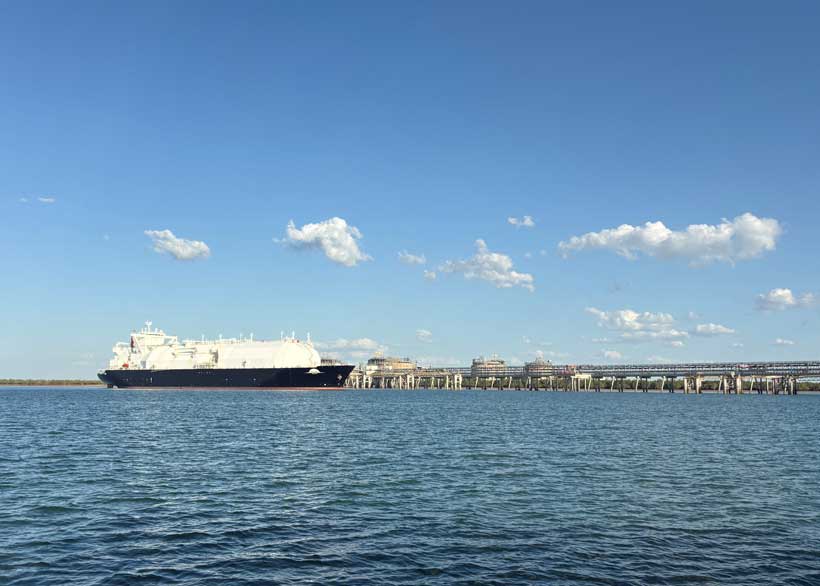
Australia has revised a proposed rule that would have required natural gas exporters to keep 20% of their output for the local market. Instead, exporters will now need to reserve up to 20% based on decisions made by the energy regulator. This rule aims to ensure an oversupply of 110% of the estimated demand for the east coast gas market, which has struggled with shortages for nearly ten years. Supply issues have arisen due to declining offshore gas production from Victoria, and some liquefied natural gas (LNG) producers on the east coast have purchased domestic gas to meet their export commitments.
The Energy Minister, Chris Bowen, stated that the aim of the policy is to make gas more affordable and maintain a modest oversupply in the domestic market. The amount reserved for domestic use will be set by the Australian Energy Regulator (AER). The implementation of this scheme has been delayed by six months and is now set for January 1, 2028, without affecting existing export contracts. The bill proposing this policy will be presented to parliament later this year.
Australian Energy Producers (AEP) supported the changes but cautioned that oversupply could harm local markets by lowering prices and deterring new gas supply development. The three major LNG export projects operated by Origin Energy, Shell, and Santos will be impacted by this reservation scheme. Despite some relaxation of the rules, the government insists that producers must provide a specific percentage of their output to the local market.
The updated plan includes a 15% domestic reservation requirement in Western Australia and mostly exempts the Northern Territory. Resources Minister Madeleine King explained that domestic supply obligations will vary by region based on local market conditions. Some analysts believe the update clarifies the situation, while concerns remain that the policy could lead to local oversupply, affecting future exploration.
With information from Reuters