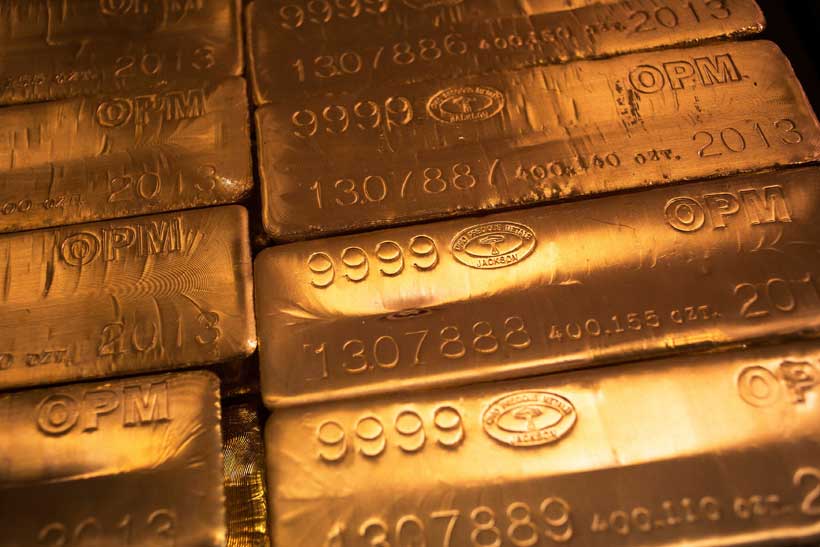
On 23 July, the EU adopted its 21st and largest sanctions package against Russia — 218 listings, asset freezes on 94 banks, the first-ever threat of blanket third-country crypto bans. Within 24 hours Beijing retaliated with export controls on 14 European firms, including Germany’s Rheinmetall. The same day, five of China’s largest state banks quietly stopped retail investors trading paper gold and pushed them toward physical bars instead. Four days later the US Senate voted 86-12 to advance a bill authorising tariffs of up to 100% on the top buyers of Russian energy — a list headed by China and India. And on 30 July, the World Gold Council confirmed central banks had bought a record 289 tonnes of gold in the second quarter, up 74% year on year. Nobody reported these five events as one story. They are one story.
De-dollarization is the shorthand for a genuine structural shift: the dollar’s share of global central bank reserves fell below 57% last year, the lowest since 1995 and down 15 points from its 2001 peak, while gold’s share of reserves has climbed from roughly 13% to 30% over the same stretch. The proximate cause is well documented — when Washington and Brussels froze roughly $300 billion of Russian central bank reserves in 2022, every finance ministry outside the Western alliance drew the same lesson: dollar and euro reserves are conditional assets, seizable by political decision, while gold sitting in a domestic vault is not. Since then Russia and China have pushed bilateral trade settlement into rubles and yuan to 99.1%, built out China’s CIPS payment network as a working SWIFT alternative, and are preparing to unveil BRICS Pay — linking Russian, Chinese, Indian and Brazilian domestic payment rails — at September’s summit in New Delhi. That is the infrastructure this week is testing.
To read the full analysis, please subscribe in our MD Briefing here