


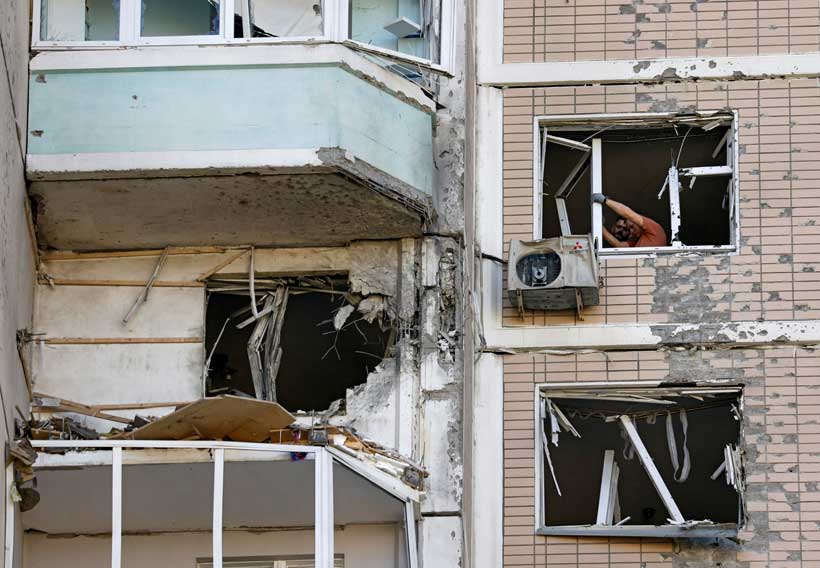
Russian authorities reported deaths and injuries in multiple regions following another night of Ukrainian drone and rocket attacks, as Kyiv intensified its campaign against Russia’s energy infrastructure. The latest strikes come as both sides continue to exchange long-range attacks far beyond the front lines, with energy facilities increasingly becoming central targets in the more than four-year-old war.
The overnight attacks hit Russia’s Yaroslavl, Saratov and Bryansk regions, while Russia launched fresh missile strikes on Ukraine’s capital, Kyiv, killing civilians and underscoring the continued escalation despite repeated calls for a negotiated settlement.
What Happened?
Officials in several Russian regions said Ukrainian drones and rockets caused casualties overnight.
Stay ahead of the geopolitical week.
MD Briefing delivers expert analysis across five global fronts — the Indo-Pacific, energy, geoeconomics, European security, and the Middle East — every Monday morning. Free.
In Yaroslavl region, located about 250 kilometres east of Moscow, Governor Mikhail Yevrayev said one man was killed and four others were injured. Russian air defences reportedly intercepted 19 drones over the region, although authorities did not specify whether energy infrastructure or other facilities were targeted.
In Saratov region, local officials reported casualties after a drone strike on the city of Engels. The city is home to a major Russian strategic airbase that has repeatedly been targeted by Ukrainian long-range drones since the start of the war.
Meanwhile, in Bryansk region, which borders Ukraine, Governor Alexander Bogomaz said a Ukrainian rocket strike hit the village of Suzemka, killing a 15-year-old girl and her grandmother while injuring another civilian.
Ukraine’s Strategy Targets Russian Energy Infrastructure
The attacks form part of Ukraine’s broader strategy to weaken Russia’s ability to sustain its war effort by targeting energy infrastructure and fuel supplies.
Russia has experienced growing fuel shortages across several regions after repeated Ukrainian strikes damaged oil refineries, fuel depots and logistics hubs. Kyiv argues that disrupting Russia’s oil industry reduces the revenues used to finance military operations.
The campaign has increasingly relied on long-range drones capable of striking hundreds of kilometres inside Russian territory, demonstrating Ukraine’s expanding strike capabilities.
Russia Continues Missile Strikes on Ukraine
While Ukrainian drones targeted Russian territory overnight, Russia simultaneously launched fresh missile attacks against Ukraine.
Ukrainian officials said Russian ballistic missiles struck at least two districts of Kyiv, triggering fires and killing two people. Emergency services were deployed to extinguish blazes and assess damage as residents again sought shelter during air raid alerts.
The latest attacks reflect the continuing pattern of reciprocal long-range strikes that has intensified in recent months.
Civilian Impact Remains Severe
Both Russia and Ukraine continue to accuse each other of targeting civilian areas, although both governments deny deliberately attacking civilians.
The war has increasingly expanded beyond traditional battlefield zones, with drone and missile strikes affecting cities, villages, industrial sites and critical infrastructure across both countries.
As attacks deepen inside each nation’s territory, civilians are bearing a growing share of the conflict’s human cost.
Why It Matters
Ukraine’s sustained campaign against Russian energy infrastructure is placing increasing pressure on Moscow by disrupting fuel supplies and forcing Russia to devote greater resources to air defence and infrastructure protection.
For Russia, the strikes expose vulnerabilities deep inside its territory, including regions once considered relatively secure. At the same time, Russia’s continued missile attacks on Ukrainian cities demonstrate its ability to inflict significant damage despite Ukraine’s growing long-range capabilities.
Future Outlook and Analysis
The latest exchange of attacks suggests that the war is entering an increasingly attritional phase in which both sides seek to weaken each other’s economic resilience and military logistics rather than relying solely on battlefield gains.
Ukraine is expected to continue expanding its long-range drone campaign against oil refineries, airbases and transportation networks, aiming to reduce Russian fuel production and raise the economic cost of the war. Russia, meanwhile, is likely to intensify missile and drone strikes against Ukrainian cities, energy infrastructure and defence facilities in an effort to undermine Ukraine’s military capacity and civilian morale.
Unless diplomatic efforts gain momentum, reciprocal deep-strike operations are expected to become an even more prominent feature of the conflict, increasing risks for civilian populations while placing additional strain on energy markets, infrastructure security and regional stability.
With information from Reuters.
