


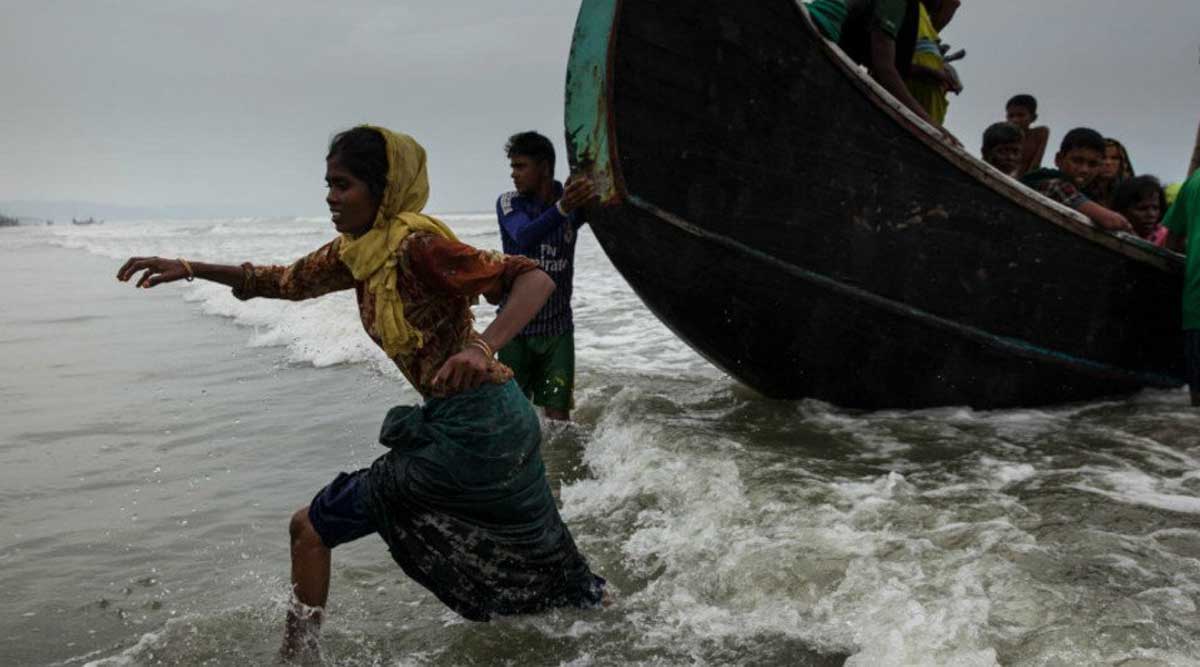
More than 500 people are feared dead after two boats carrying Rohingya refugees reportedly capsized off Myanmar’s coast, according to the United Nations. If confirmed, the tragedy would rank among the deadliest maritime disasters involving Rohingya refugees in recent years, highlighting the worsening humanitarian crisis facing one of the world’s most persecuted minority groups.
The vessels departed Myanmar’s Rakhine State in late June carrying mostly Rohingya Muslims, including some refugees believed to have left overcrowded camps in neighbouring Bangladesh in search of safety and better economic opportunities.
What Happened?
The International Organization for Migration (IOM) and the UN refugee agency (UNHCR) said preliminary information suggests two boats carrying more than 530 people disappeared during separate voyages in the Andaman Sea.
According to the UN:
Stay ahead of the geopolitical week.
MD Briefing delivers expert analysis across five global fronts — the Indo-Pacific, energy, geoeconomics, European security, and the Middle East — every Monday morning. Free.
- The first vessel carried around 250 passengers and lost contact shortly after departing Rakhine State.
- The second boat, carrying approximately 280 people, is believed to have sunk off Myanmar’s Irrawaddy coast on July 8.
Although authorities have not officially confirmed the incidents, both UN agencies said they fear that more than 500 people may have died.
The agencies described the reports as deeply alarming and warned that the disaster could represent one of the worst refugee boat tragedies in the region in years.
Why Rohingya Continue to Risk Dangerous Sea Journeys
For years, Rohingya refugees have undertaken dangerous sea crossings in overcrowded wooden boats to escape violence, persecution and severe poverty.
Most hope to reach countries such as:
- Malaysia
- Indonesia
- Thailand
Many are fleeing not only conflict inside Myanmar but also harsh living conditions in refugee camps in Bangladesh, where nearly one million Rohingya remain dependent on humanitarian assistance with few opportunities for employment or education.
Desperation has continued to drive thousands onto unsafe vessels despite repeated maritime disasters.
The World’s Deadliest Refugee Sea Route
The Andaman Sea and Bay of Bengal have become one of the most dangerous migration routes in the world.
According to UN figures:
- Nearly 900 Rohingya refugees died or went missing in 2025 while attempting sea crossings.
- Around 300 refugees and migrants have already been reported dead or missing on the route in 2026.
Humanitarian agencies warn that increasingly desperate departures, combined with overcrowded boats and limited rescue capacity, continue to produce catastrophic loss of life.
Dangerous Weather Increased the Risks
The latest voyages took place outside the normal sailing season.
UNHCR and IOM said sea conditions during this period are significantly more hazardous because of rough weather, making small wooden boats particularly vulnerable to capsizing.
Aid agencies have repeatedly urged refugees not to attempt such crossings during the monsoon season, but worsening conditions on land continue to push many families to take the risk.
Background: The Rohingya Crisis
The Rohingya exodus began in 2017 after Myanmar’s military launched a sweeping security operation in Rakhine State following attacks by insurgents.
The campaign forced more than 730,000 Rohingya to flee into neighbouring Bangladesh.
Myanmar has consistently denied allegations of widespread abuses but continues to refuse citizenship to most Rohingya, classifying them as illegal immigrants despite many families having lived in the country for generations.
The humanitarian situation deteriorated further after Myanmar’s military seized power in a 2021 coup, triggering nationwide civil war. Fighting between the military and the Arakan Army has intensified in Rakhine State, leaving Rohingya civilians trapped between rival forces.
Why It Matters
The latest suspected sinkings underscore the growing desperation among Rohingya refugees, who continue to face persecution, displacement and limited prospects both inside Myanmar and in refugee camps abroad.
The tragedy also highlights broader regional challenges, as Southeast Asian countries struggle to coordinate search-and-rescue operations, refugee protection and long-term solutions for displaced populations.
Future Outlook and Analysis
If the reported deaths are confirmed, international pressure is likely to grow on regional governments to strengthen maritime rescue efforts and expand legal pathways for refugees seeking protection.
However, the underlying drivers of the crisis remain unresolved. Myanmar’s ongoing civil war, the continued denial of citizenship to the Rohingya and worsening humanitarian conditions in Bangladesh’s refugee camps leave many with few alternatives but to undertake dangerous sea journeys.
Without meaningful political progress inside Myanmar and greater international support for refugee-hosting countries, humanitarian agencies warn that similar maritime tragedies are likely to continue. The Rohingya crisis is increasingly becoming not only a regional refugee challenge but also a test of the international community’s ability to protect vulnerable populations fleeing conflict and statelessness.
With information from Reuters.
