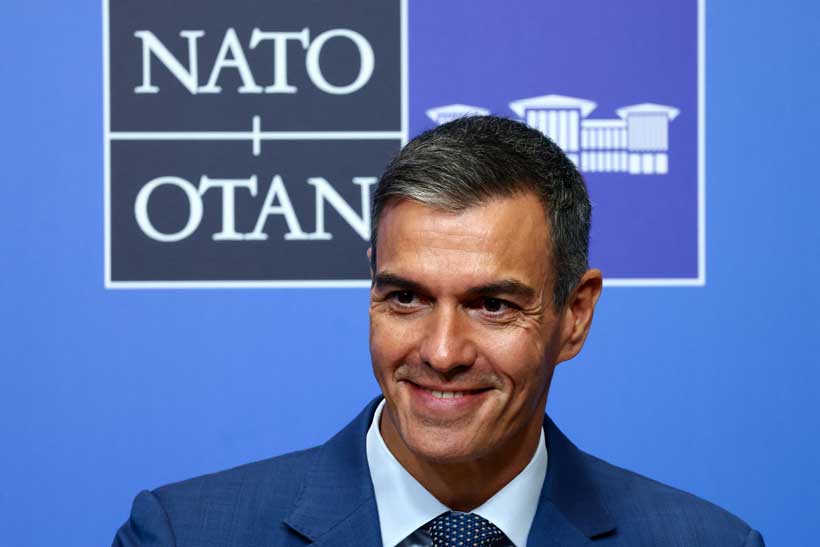
U. S. President Trump expressed his intention to impose a trade embargo on Spain, instructing Treasury Secretary Scott Bessent to “cut off all trade. . . including visits” with Spain due to tensions over defense spending. The president has significant powers under the International Emergency Economic Powers Act (IEEPA) to restrict economic transactions with foreign countries but must demonstrate that the country poses an “unusual or extraordinary threat” to U. S. interests and declare a national emergency. Legal experts find it challenging to justify such a claim against Spain based on current disputes. Additionally, European Union regulations necessitate trade negotiations to occur as a bloc rather than individually with member states.
The IEEPA has been previously applied to countries like Iran and Syria, while the “Trading with the Enemy Act” has also been used but is mostly limited to wartime scenarios. Should a full embargo not be feasible, Trump has alternative options like imposing tariffs or trade penalties. Section 232 of the Trade Expansion Act allows tariffs on goods deemed a national security threat, whereas Section 301 of the Trade Act permits penalties for unfair trade practices. An example from Trump’s earlier administration includes a 30% anti-dumping tariff on Spanish black olives due to claims of unfair subsidies.
Trump has previously threatened trade actions against Spain; the initial threat occurred in October 2025, with further actions to investigate an embargo on Spanish products announced in March. However, no investigations have been reported publicly.
Trade between the U. S. and Spain is significant, with the U. S. exporting more than it imports, selling $26.6 billion in goods and importing $21.35 billion in 2025. Spain ranks as the largest foreign investor in the U. S. and employs around 200,000 people in the country. Spain’s defense spending is also increasing, with projections of €35.41 billion in 2026, meeting NATO’s defense expenditure recommendations. Spain contributes significantly to NATO missions, deploying nearly 3,000 personnel and providing substantial support to Ukraine.
With information from Reuters