


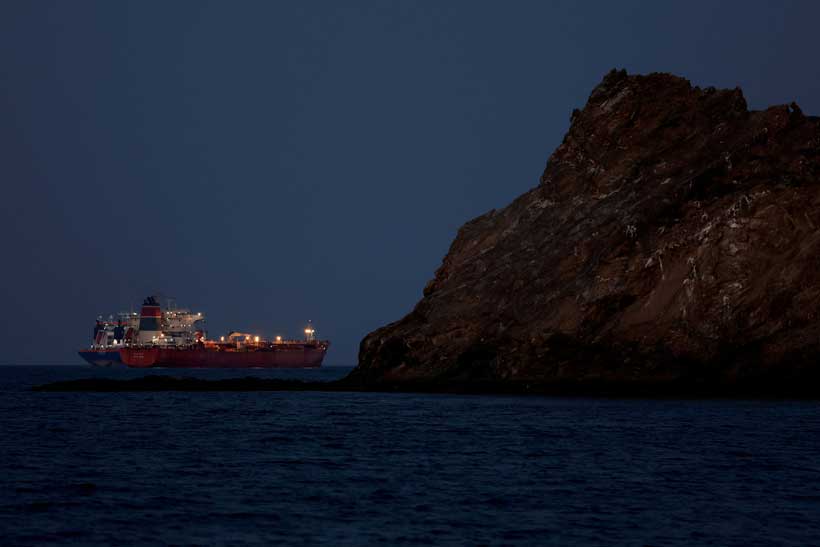
The reopening of the Strait of Hormuz has restored the flow of oil and natural gas after more than 100 days of disruption, but the crisis has already left a lasting mark on global energy markets. The prolonged closure exposed the vulnerability of the world’s energy supply chain and has prompted governments to reconsider how they secure fuel supplies.
Analysts say the crisis mirrors the impact of the 1973 Arab oil embargo, which transformed global energy policy by encouraging conservation, diversification, and strategic stockpiling. While today’s energy system proved more resilient, the Hormuz disruption may accelerate a broader shift away from fossil fuels.
What Happened?
The Strait of Hormuz, through which nearly 20 percent of global oil and liquefied natural gas supplies normally pass, remained effectively closed for more than three months during the US Israeli conflict with Iran.
Despite the disruption, global markets avoided a severe supply crisis through rapid rerouting of cargoes, the release of strategic reserves, reduced Chinese imports, and shifting demand patterns.
Stay ahead of the geopolitical week.
MD Briefing delivers expert analysis across five global fronts — the Indo-Pacific, energy, geoeconomics, European security, and the Middle East — every Monday morning. Free.
However, analysts say these emergency measures were only temporary. Energy inventories fell sharply during the crisis, and markets were approaching a critical point before shipping resumed.
Why the Crisis Matters
The Hormuz disruption demonstrated that even today’s highly interconnected global energy system remains vulnerable to geopolitical conflict.
Unlike previous crises, the world avoided a complete energy collapse because governments, traders, and shipping companies quickly adapted. Nevertheless, the episode exposed the limits of those emergency responses and reinforced concerns about overreliance on a single strategic chokepoint.
The crisis is expected to influence long term energy investment decisions far beyond the Middle East.
Lessons From the 1973 Oil Embargo
The 1973 Arab oil embargo fundamentally changed global energy policy after oil producing nations restricted exports to countries supporting Israel during the Yom Kippur War.
The embargo caused oil prices to surge, triggering inflation and prompting governments to adopt fuel efficiency standards, develop domestic oil production, establish strategic petroleum reserves, and create the International Energy Agency.
Rather than ending fossil fuel use, the crisis encouraged countries to consume energy more efficiently while reducing dependence on imported oil.
A New Energy Strategy Emerges
The Hormuz crisis appears to be driving another major strategic shift, particularly across Asia.
Countries heavily dependent on Middle Eastern oil and gas are increasingly prioritizing energy security over low fuel costs. Governments are expected to expand strategic petroleum reserves while accelerating investment in domestic renewable energy, nuclear power, and alternative fuel sources.
India, Pakistan, Japan, and South Korea are among the countries reviewing long term strategies aimed at reducing exposure to overseas energy disruptions.
Europe Continues Its Energy Transition
Europe entered the Hormuz crisis after already reshaping its energy system following Russia’s invasion of Ukraine in 2022.
The loss of Russian energy supplies forced European countries to cut gas consumption, diversify imports, and rapidly expand renewable energy capacity.
The latest Middle East disruption is expected to reinforce that trend by encouraging further investment in clean energy and energy efficiency while reducing dependence on imported fossil fuels.
Investment Trends Support the Shift
Global investment patterns already suggest that energy markets are evolving.
According to the International Energy Agency, worldwide energy investment is projected to reach 3.4 trillion dollars this year, with much of the growth directed toward renewable energy, electricity infrastructure, battery storage, and grid resilience rather than new oil production.
Electric vehicle sales continue to rise rapidly across Europe, Latin America, and Asia Pacific, while Chinese solar panel exports have surged across Africa and Southeast Asia.
Governments are also increasing spending on energy efficiency, with around 20 countries introducing new conservation measures directly in response to the Hormuz crisis.
Why It Matters
The Hormuz crisis has reinforced that energy security is becoming just as important as energy affordability.
Rather than relying solely on global oil markets, governments are increasingly pursuing diversified energy systems that combine fossil fuels with renewables, nuclear power, strategic reserves, and domestic production.
This transition is expected to influence investment, industrial policy, and international trade for years to come.
Future Outlook
Oil and natural gas are expected to remain central to the global economy for decades, particularly in transportation, manufacturing, aviation, and power generation.
However, future growth in fossil fuel demand may become significantly slower as governments invest more heavily in renewable energy, electric vehicles, battery storage, and efficiency improvements.
The Hormuz crisis may ultimately be remembered not as the event that ended the oil era, but as the moment many countries accelerated preparations for a more diversified energy future.
Implications
The Hormuz crisis is likely to have consequences that extend far beyond the immediate recovery in oil and gas flows. Governments that experienced supply disruptions are expected to place greater emphasis on energy security, even if it comes at a higher economic cost. This could accelerate the expansion of strategic petroleum reserves, diversify import sources, and increase investment in domestic energy production, including renewables, nuclear power, and critical energy infrastructure.
For oil exporters in the Gulf, the crisis may strengthen the case for developing alternative export routes that bypass the Strait of Hormuz, reducing dependence on a single maritime chokepoint. Import dependent economies, particularly across Asia, are also likely to rethink long term procurement strategies by securing more flexible supply contracts and expanding storage capacity.
Financial markets are also expected to assign a higher geopolitical risk premium to energy prices. Even after shipping has resumed, investors may continue to price in the possibility of future disruptions, increasing volatility across oil, gas, shipping, and insurance markets. The crisis could also accelerate capital flows into technologies that reduce dependence on imported fossil fuels, including electric vehicles, battery storage, hydrogen, and energy efficiency.
Analysis
The Hormuz crisis may ultimately prove more significant for what it revealed than for the physical disruption it caused. Although global energy markets demonstrated remarkable resilience, that resilience depended on temporary measures such as drawing down inventories, rerouting cargoes, reducing consumption, and relying on spare production capacity. These mechanisms bought time rather than solving the underlying vulnerability of the global energy system.
Unlike the 1973 Arab oil embargo, which primarily forced consuming nations to improve efficiency while expanding fossil fuel production elsewhere, today’s crisis occurred at a time when commercially competitive alternatives to oil and gas already exist. Renewable energy, electric vehicles, battery storage, and advanced power grids have matured into viable strategic assets rather than purely environmental investments. As a result, governments are increasingly viewing clean energy not only as a climate policy but also as a national security priority.
Another important distinction is the shift in investment behavior. Historically, supply disruptions often encouraged greater investment in oil exploration and production. Following the Hormuz crisis, however, a growing share of capital is moving toward energy diversification instead of simply increasing fossil fuel output. This suggests policymakers increasingly see reducing oil dependence as a more sustainable way to improve resilience than expanding strategic reserves alone.
The crisis also exposed a structural imbalance in global energy markets. While production remains concentrated in politically sensitive regions, demand growth is increasingly centered in Asia, leaving major importers highly exposed to geopolitical instability. Countries such as India, Pakistan, Japan, and South Korea may therefore pursue parallel strategies of securing diversified hydrocarbon supplies while rapidly expanding domestic renewable generation, nuclear power, and energy storage.
Perhaps the most important takeaway is that energy security has overtaken cost as the dominant driver of policy decisions. For decades, governments largely optimized their energy systems for affordability and efficiency. The Hormuz disruption demonstrated that the cheapest energy source can quickly become the most expensive if geopolitical events interrupt supply. That realization is likely to reshape government policy, corporate investment, and global energy trade for years to come.
The crisis does not signal the immediate end of the oil era. Oil and natural gas will remain indispensable for transportation, petrochemicals, aviation, heavy industry, and electricity generation in many regions. However, it may represent an inflection point where the trajectory of fossil fuel demand begins to flatten as countries systematically reduce their strategic dependence on imported hydrocarbons. In that sense, the Hormuz crisis could be remembered less as an energy supply shock and more as the catalyst that accelerated the next phase of the global energy transition.
With information from Reuters.
