


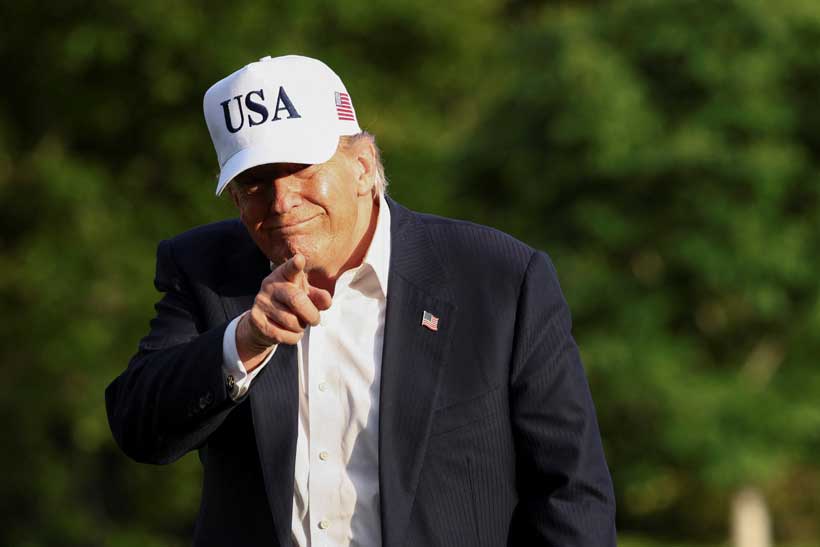
U.S. President Donald Trump weighed in on Britain’s leadership transition, describing expected next prime minister Andy Burnham as “extremely liberal” and questioning whether he would support increased oil and gas drilling in the North Sea. Trump’s remarks came after Prime Minister Keir Starmer announced his resignation amid mounting political pressure over weak poll ratings and disappointing local election results.
Burnham, currently the leading contender to replace Starmer as Labour leader and prime minister, could take office as early as mid-July. Trump said he knew little about Burnham beyond his role as a mayor, but suggested his political views would likely oppose expanding domestic energy production.
Trump’s Energy Criticism Returns
Trump used the opportunity to repeat his long-standing criticism of Britain’s energy policy, arguing that the UK should increase North Sea oil and gas production. He said he had previously advised Starmer to “open up the North Sea,” reflecting his broader support for fossil fuel development and energy independence.
The comments highlight a key policy divide between Trump’s energy agenda and Labour’s focus on the green transition and climate goals.
Stay ahead of the geopolitical week.
MD Briefing delivers expert analysis across five global fronts — the Indo-Pacific, energy, geoeconomics, European security, and the Middle East — every Monday morning. Free.
UK-US Relations Face New Questions
Relations between Washington and London have become more complicated in recent months. While Starmer initially sought close ties with Trump by offering an unprecedented second state visit, tensions emerged after Britain hesitated over a U.S. request to use British military bases during strikes on Iran.
Although London later approved the request, the episode exposed differences between the two allies on security and foreign policy issues.
Why It Matters
Trump’s comments provide an early indication of how his administration may view a future Burnham government. With the United States and Britain remaining close security and economic partners, political chemistry between leaders could influence cooperation on trade, defence, energy and foreign policy.
The remarks also underscore how energy policy is becoming a major fault line between conservative and centre-left governments across Western countries.
Stakeholders
- Donald Trump – U.S. president shaping Washington’s relationship with future UK leadership.
- Andy Burnham – Leading candidate to become Britain’s next prime minister.
- Keir Starmer – Outgoing UK prime minister.
- UK Labour Party – Preparing for a leadership transition.
- U.S. Administration – Managing relations with a potential new British government.
- North Sea Energy Industry – Affected by future decisions on oil and gas development.
- British Voters – Facing a change in national leadership and economic direction.
Future Outlook
Burnham is expected to formally launch his leadership campaign in the coming weeks, with a Labour leadership contest likely concluding by mid-July. If he becomes prime minister, investors and international partners will closely watch his positions on economic growth, energy policy and relations with the United States.
Trump’s remarks suggest that North Sea drilling and broader energy policy could become an early point of debate between Washington and a future Burnham government, potentially shaping the tone of UK-US relations in the months ahead.
With information from Reuters.
