


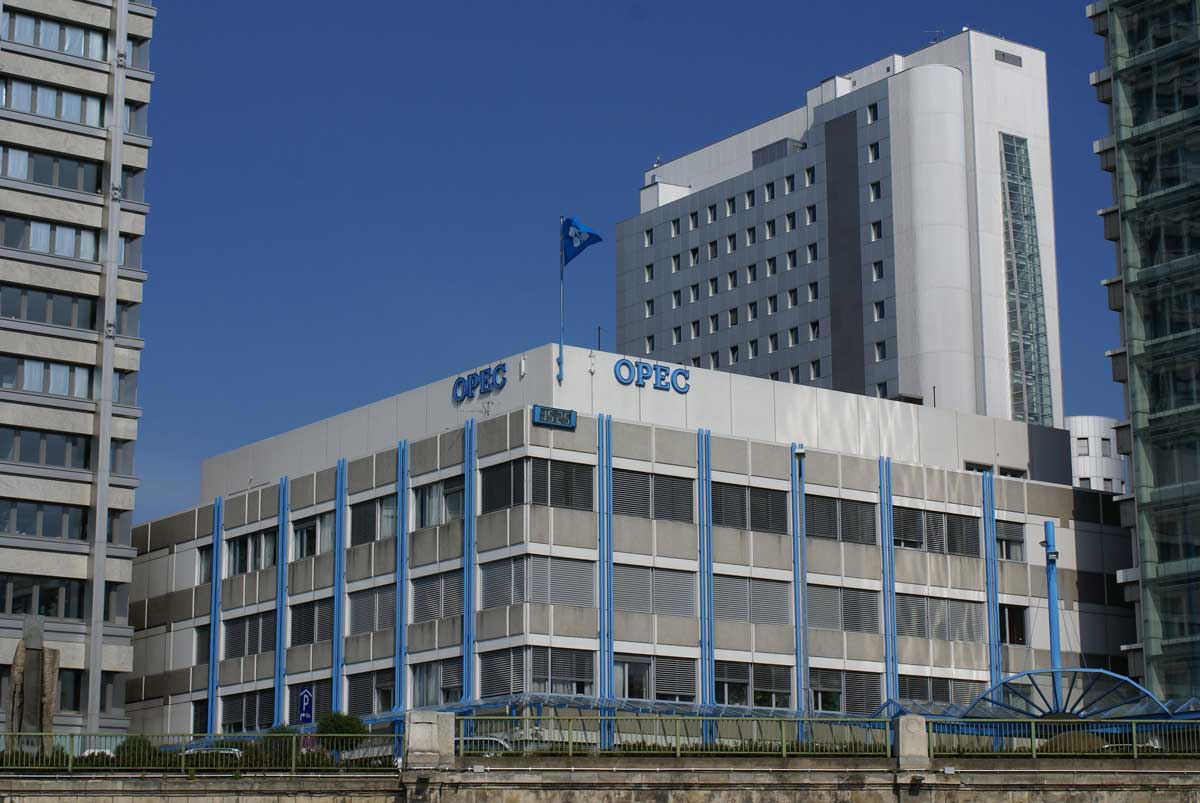
Iraq is considering all available options, including a potential exit from OPEC, if the producer group does not significantly increase its oil production quota, according to sources familiar with Iraqi oil policy.
The warning comes as Iraq faces mounting economic pressure following the Iran war and seeks to boost oil revenues to support its finances. Baghdad argues that its production quota should better reflect its output capacity and growing population.
Iraq is OPEC’s second largest producer and one of the group’s five founding members, making any discussion of a possible departure particularly significant.
Iraq Pushes for Higher Production Limits
Prime Minister Ali al Zaidi’s government has made economic recovery and investment a priority. Iraq aims to increase oil production capacity to 7 million barrels per day over the coming years and wants OPEC to allow higher output levels.
Stay ahead of the geopolitical week.
MD Briefing delivers expert analysis across five global fronts — the Indo-Pacific, energy, geoeconomics, European security, and the Middle East — every Monday morning. Free.
A senior Iraqi oil ministry official said Baghdad’s preferred option remains staying within OPEC while securing a larger production allocation. However, he warned that failure to address Iraq’s concerns could force the country to consider alternative paths.
Fresh Challenge for OPEC Unity
The dispute comes at a sensitive time for OPEC and the wider OPEC+ alliance. Earlier this year, the United Arab Emirates left the producer group, raising questions about cohesion among major oil exporters.
An Iraqi exit would represent a far greater challenge given the country’s production scale and historical role within the organization.
Why It Matters
Iraq’s warning highlights growing tensions within OPEC over how production quotas are allocated. Higher quotas would allow Iraq to increase exports and generate additional revenue, while maintaining current limits could strain relations between Baghdad and key OPEC members, particularly Saudi Arabia.
Any sign of fragmentation within OPEC could influence global oil prices and energy market stability.
Stakeholders
- OPEC
- Iraq
- Ali al Zaidi
- Saudi Arabia
- OPEC+
- United Arab Emirates
- Global oil traders and energy investors
- Oil importing and exporting nations
Future Outlook
OPEC members are likely to face increased pressure from Iraq ahead of future quota discussions. If Baghdad secures a production increase, it could ease tensions and strengthen its commitment to the group.
However, if negotiations fail, speculation about Iraq’s long term role in OPEC could intensify, creating uncertainty for oil markets and testing the unity of the producer alliance.
Iraq’s threat appears designed primarily as leverage rather than an immediate plan to leave OPEC. Baghdad needs higher oil revenues to address fiscal challenges and fund reconstruction efforts, while OPEC needs Iraq’s participation to maintain credibility and market influence.
The dispute reflects a broader challenge facing OPEC: balancing production restraint to support prices against the economic needs of member states seeking greater output. How Saudi Arabia and other leading producers respond will be a key indicator of whether OPEC can maintain cohesion during a period of geopolitical and economic uncertainty.
With information from Reuters.
