


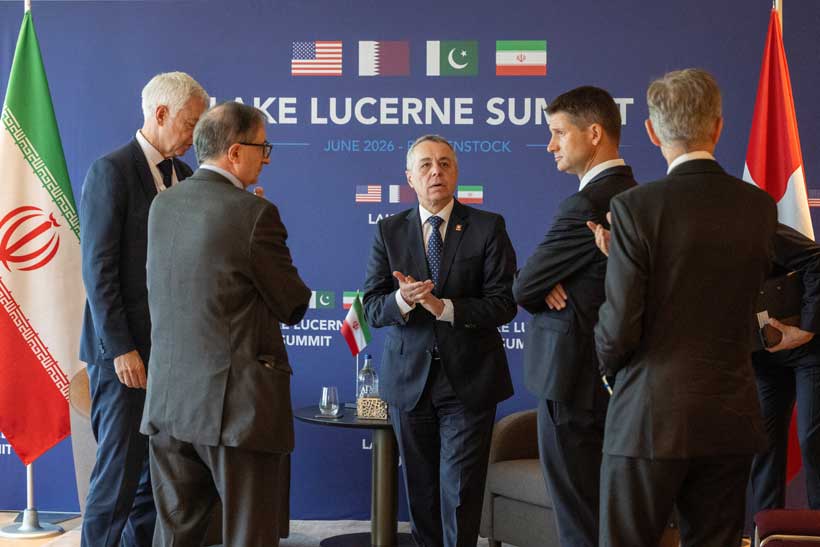
Iran is set to receive temporary economic relief after signing an interim agreement with the United States, but dismantling more than 40 years of sanctions will be a long and complicated process. The sanctions regime includes U.S. laws, presidential orders, United Nations measures and restrictions imposed by allies such as the European Union and Britain.
The agreement gives Iran short term access to greater oil revenues and trade opportunities, but experts say turning that relief into a lasting economic recovery will require overcoming major legal, political and commercial obstacles.
What Has Changed Under the Interim Agreement
Under a 14 point memorandum signed last week, the United States agreed to begin lifting sanctions as part of a broader process that could lead to a final agreement within 60 days.
As an immediate step, the U.S. Treasury issued a temporary license allowing the production, sale and transportation of Iranian crude oil, petrochemicals and petroleum products through August 21. The measure also covers related banking, insurance and shipping activities, giving Iran faster access to oil income.
Stay ahead of the geopolitical week.
MD Briefing delivers expert analysis across five global fronts — the Indo-Pacific, energy, geoeconomics, European security, and the Middle East — every Monday morning. Free.
Why Sanctions Cannot Be Removed Quickly
The sanctions system on Iran has expanded over decades and is made up of multiple layers. Some restrictions were imposed by presidents through executive orders and can be removed relatively easily. Others were approved by Congress and can only be changed through legislation, making the process far more difficult.
In addition, thousands of individuals, companies, ships and aircraft have been added to sanctions lists over the years. Experts say reviewing and removing these designations could take many months or even years.
Congress Could Become a Major Obstacle
Many lawmakers remain deeply skeptical of improving ties with Iran. Sanctions connected to groups such as Hamas, Hezbollah and the Houthis are especially sensitive because they are tied to U.S. counterterrorism policy.
Any effort to remove or weaken those restrictions could trigger political battles in Congress, creating uncertainty about whether the sanctions relief process can continue beyond the temporary agreement.
How Much Could Iran Gain
The temporary sanctions relief could provide Iran with up to $3 billion in additional revenue over the next two months through increased oil sales.
If broader sanctions are permanently removed, experts believe Iran could earn tens of billions of dollars more each year. The country would be able to sell oil to a wider range of buyers, secure better prices and attract foreign investment that has largely stayed away because of sanctions.
Security Concerns Remain
Critics of sanctions relief argue that increased revenues could strengthen Iran’s military and security institutions, including the Islamic Revolutionary Guard Corps.
U.S. officials and lawmakers will likely face pressure to ensure that any new funds do not end up supporting groups that Washington considers a threat to regional stability and U.S. interests.
Why Companies May Still Avoid Iran
Even if governments remove sanctions, businesses may remain reluctant to return. Banks, insurers and multinational companies have spent years avoiding Iran because of the risk of penalties and compliance violations.
Many firms also worry that future U.S. administrations could reimpose sanctions, leaving investments exposed. As a result, companies may wait for stronger legal guarantees before committing significant capital.
Other International Restrictions Still Apply
The U.S. is not the only source of pressure on Iran. Various sanctions and restrictions imposed by the United Nations, European Union, Britain and other countries remain in place.
This means that even if Washington moves ahead with sanctions relief, Iran’s reintegration into the global economy will depend on broader international cooperation.
Why This Matters
The sanctions relief process could reshape the Middle East’s economic and geopolitical landscape. For Iran, it offers a chance to revive an economy weakened by years of isolation, sanctions and conflict. For global energy markets, increased Iranian oil exports could help boost supply and influence prices.
However, the success of the initiative depends on whether both sides can move from a temporary arrangement to a comprehensive agreement that survives political opposition in both countries.
Analysis
The interim deal marks the biggest shift in U.S. policy toward Iran in years, but expectations of a rapid economic transformation may be unrealistic. The sanctions structure was built over four decades by multiple administrations and lawmakers, making it one of the most complex sanctions regimes in the world.
While temporary licenses can provide immediate economic benefits, lasting relief requires congressional support, extensive regulatory changes and confidence from international businesses. Those conditions are unlikely to emerge quickly.
The biggest test may not be whether sanctions can be legally removed, but whether investors and companies believe the policy change will last. Until there is greater political certainty, many firms are likely to remain cautious, limiting the immediate impact on Iran’s economy even if more sanctions are lifted.
In the near term, Iran is likely to see higher oil revenues and improved access to foreign currency. In the longer term, the pace and scale of economic recovery will depend on whether the United States and Iran can convert a fragile interim deal into a durable and comprehensive settlement.
With information from Reuters.
