


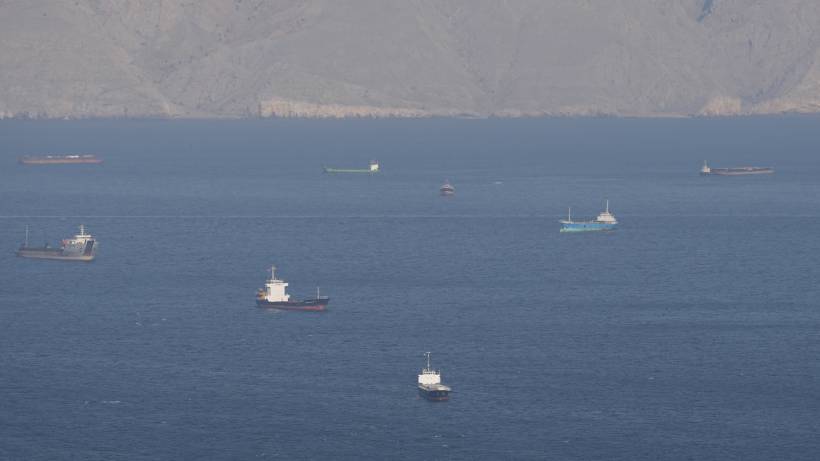
Oil and gas shipments through the strategically vital Strait of Hormuz increased on Friday following the ceasefire agreement between the United States and Iran, signaling a gradual recovery in global energy flows after months of disruption.
Several tankers carrying crude oil, petroleum products, and liquefied petroleum gas resumed movements through the waterway, while Gulf producers began preparing for higher export volumes. A Japanese owned crude tanker successfully exited the strait after delays caused by the conflict, and other vessels resumed scheduled voyages.
The recovery follows the interim U.S. Iran agreement signed earlier this week, which halted active hostilities and led Washington to lift restrictions on Iranian ports.
However, despite improving traffic levels, significant uncertainty remains over Iran’s plans to regulate future shipping through one of the world’s most important energy corridors.
Stay ahead of the geopolitical week.
MD Briefing delivers expert analysis across five global fronts — the Indo-Pacific, energy, geoeconomics, European security, and the Middle East — every Monday morning. Free.
Why It Matters
The Strait of Hormuz handles a substantial share of global oil and liquefied natural gas exports, making its stability critical for international energy markets.
Any disruption in the waterway can affect oil prices, shipping costs, inflation, and energy security across Asia, Europe, and North America.
While the ceasefire has reduced immediate security risks, uncertainty over Iran’s proposed transit requirements is creating new concerns among shipowners, insurers, and energy companies.
The issue could become a major point of contention during future negotiations between Washington and Tehran.
Shipping Traffic Begins to Recover
Maritime data showed a noticeable increase in vessel movements through Hormuz following the ceasefire.
Commercial traffic reached its highest daily level in two months, with ships once again broadcasting their positions through tracking systems after many vessels had concealed movements during the conflict.
Although traffic remains well below pre war levels, the increase suggests shipping companies are becoming more confident that immediate military threats have eased.
Regional producers have also begun preparing for expanded exports.
State energy companies in Kuwait and Abu Dhabi have launched new crude sales tenders, while Gulf producers are signaling plans to raise output as transportation routes reopen.
Iran’s New Transit Requirements Raise Concerns
Despite the improvement in shipping activity, concerns are growing over new conditions Iran appears to be considering for vessels using the strait.
Iranian state media reported that ships may be required to coordinate transit with the country’s Revolutionary Guards naval forces.
Separately, a maritime advisory circulated to shipping companies indicated that vessels could be required to obtain permits before entering the waterway and may eventually face insurance related charges or transit fees.
The proposals have alarmed parts of the global shipping industry.
Many shipowners argue that the Strait of Hormuz is an international waterway and that imposing mandatory transit fees or permit systems would conflict with established maritime norms.
The possibility of new charges has raised fears of higher transportation costs for global energy shipments.
Security Risks Have Not Disappeared
While active fighting has ended, maritime security risks remain.
Naval authorities continue mine clearance operations in parts of the Gulf, and shipping advisories have warned vessels about potential hazards in certain transit corridors.
Industry analysts note that a ceasefire does not automatically eliminate geopolitical risks.
If tensions between Iran and the United States reemerge, shipping companies could once again face disruptions, delays, and elevated insurance premiums.
Several maritime security firms have warned that uncertainty surrounding future Iranian policies could continue to weigh on commercial planning.
Peace Talks Face New Uncertainty
Complicating matters further, planned follow up talks between U.S. and Iranian negotiators in Switzerland were postponed, while Vice President JD Vance cancelled a planned trip linked to the negotiations.
The delay has raised questions about how quickly a comprehensive agreement can be reached after the interim ceasefire.
Many of the issues affecting maritime trade, sanctions, and regional security remain unresolved and were expected to be addressed during future talks.
The postponement therefore adds another layer of uncertainty for energy markets and shipping operators.
What Happens Next
Attention will now focus on whether Washington and Tehran can restart negotiations and clarify the future rules governing transit through Hormuz.
Energy traders will closely monitor shipping volumes, insurance rates, and any formal announcements regarding permits or fees.
At the same time, Gulf producers are expected to continue increasing exports as long as the ceasefire holds and shipping routes remain open.
Any sign of renewed military tension or disagreement over maritime regulations could quickly affect market sentiment and oil prices.
Analysis
The increase in tanker traffic is an encouraging sign that global energy supply chains are beginning to recover from months of disruption. However, the recovery remains fragile.
The biggest shift is that the threat to shipping is moving from military confrontation to regulatory uncertainty. During the conflict, shipowners worried about missile attacks, mines, and naval incidents. Now they are increasingly focused on whether Iran will seek greater control over transit through the strait.
For Tehran, tighter oversight of Hormuz could provide strategic leverage and a potential source of revenue. For the shipping industry, however, additional permits, fees, or restrictions would increase costs and complicate operations in one of the world’s busiest energy corridors.
The broader challenge is that confidence in Hormuz depends not only on the absence of war but also on predictable rules governing navigation. Until negotiators clarify those issues, energy markets are likely to remain cautious despite the ceasefire and the recent rebound in traffic.
With information from Reuters.
