


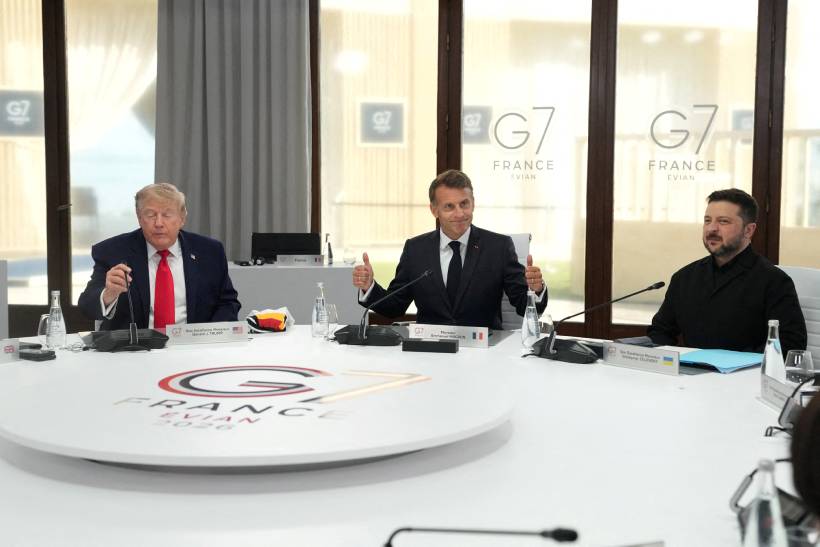
Russia’s war against Ukraine has increasingly expanded beyond frontline battles, with both sides using long range drones and missiles to strike targets deep inside each other’s territory. Ukraine has stepped up attacks on Russian energy infrastructure and military facilities, while Russia continues large scale missile and drone assaults on Ukrainian cities.
Earlier this week, a Russian attack on Kyiv killed at least 10 people and damaged the historic Kyiv Pechersk Lavra monastery, one of Ukraine’s most important religious and cultural landmarks. The strike drew condemnation from Ukraine and its Western allies.
What Happened?
President Volodymyr Zelenskiy said Ukraine’s recent drone attacks on Russia were retaliation for Russian strikes on Ukrainian cities and infrastructure.
His comments came after dozens of Ukrainian drones targeted Moscow overnight, including another strike on the Russian capital’s oil refinery. Zelenskiy warned that continued Russian attacks would bring further consequences, declaring that “Moscow will burn” if Ukraine continues to come under attack.
Stay ahead of the geopolitical week.
MD Briefing delivers expert analysis across five global fronts — the Indo-Pacific, energy, geoeconomics, European security, and the Middle East — every Monday morning. Free.
The Ukrainian leader also reiterated calls for greater Western support and tougher sanctions on Russia.
Key Developments
Escalating Drone War
- Ukrainian drones struck Moscow and energy infrastructure targets.
- The Moscow oil refinery was reportedly hit for the second time in the same week.
- Russia continues missile and drone attacks across Ukraine.
Focus on Air Defenses
- Zelenskiy attended discussions with allies in Brussels.
- Ukraine is seeking additional air defense systems through NATO backed programs.
- Discussions include plans for a joint anti ballistic missile defense initiative.
Pressure on Russia
- Ukraine is calling for stronger sanctions on Russia’s energy, defense, and financial sectors.
- Kyiv argues increased economic pressure is necessary to push Russia toward negotiations.
Why It Matters
The exchange highlights the growing reach of the conflict and Ukraine’s increasing ability to strike strategic targets inside Russia. Attacks on energy infrastructure have become a key element of Kyiv’s strategy, aiming to impose economic and logistical costs on Moscow.
At the same time, Zelenskiy’s remarks underline Ukraine’s effort to maintain international support at a time when diplomatic discussions about a potential peace settlement are gaining momentum.
The escalation also raises concerns that retaliatory attacks could further widen the conflict and reduce prospects for near term negotiations.
Stakeholders
- Volodymyr Zelenskiy
- Vladimir Putin
- NATO allies supporting Ukraine
- European Union governments
- Russian energy companies and infrastructure operators
- Ukrainian civilians affected by Russian attacks
- Global energy markets monitoring supply disruptions
What’s Next?
- Continued Ukrainian drone strikes on Russian infrastructure.
- Potential Russian retaliation against Ukrainian cities and strategic sites.
- Discussions among NATO allies regarding additional air defense support.
- Efforts by Ukraine to secure stronger sanctions against Russia.
- Monitoring whether military escalation affects ongoing diplomatic contacts and peace initiatives.
Analysis
Zelenskiy’s statement reflects a growing shift in Ukraine’s wartime strategy from purely defensive operations toward imposing direct costs on Russia through long range strikes. By targeting refineries and strategic infrastructure around Moscow, Kyiv is signaling that Russian attacks on Ukrainian cities will increasingly be met with retaliation deep inside Russian territory.
The message is also political. As international discussions about a possible peace framework continue, Ukraine wants to demonstrate that it retains leverage and the ability to influence the battlefield despite the prolonged nature of the war. Strikes on Moscow carry symbolic value because they challenge perceptions that Russia’s capital is insulated from the conflict.
However, the strategy carries risks. Attacks on high profile targets inside Russia could provoke stronger retaliation and make diplomatic compromises more difficult. Both sides continue to believe they can improve their positions through military pressure, which remains one of the biggest obstacles to meaningful negotiations.
In the short term, the conflict appears likely to follow a dual track: intensifying long range attacks on critical infrastructure while diplomatic efforts continue behind the scenes. Whether military pressure accelerates peace talks or prolongs the war will depend on how both Moscow and Kyiv assess their leverage in the months ahead.
With information from Reuters.
