


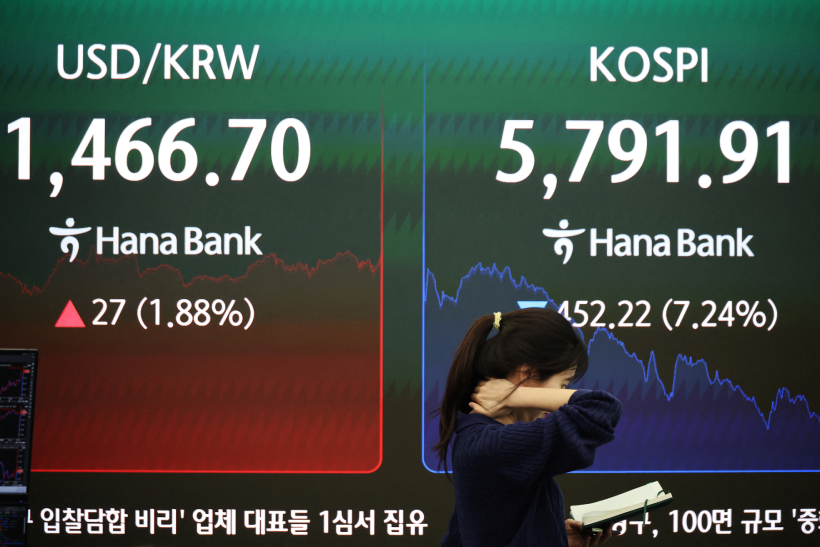
Markets have closely monitored tensions between the United States and Iran since the conflict disrupted shipping through the Strait of Hormuz, one of the world’s most important energy chokepoints. The closure temporarily stranded a significant share of global oil and liquefied natural gas exports, driving energy prices higher and fueling concerns about inflation, economic growth, and supply chain disruptions.
The latest interim agreement between Washington and Tehran extends a ceasefire and restores maritime traffic through Hormuz, easing fears of a prolonged energy crisis.
What Happened?
The United States and Iran signed an interim peace agreement that extends their ceasefire for another 60 days while negotiations on a broader settlement continue.
A key provision allows the full resumption of shipping through the Strait of Hormuz without additional charges or restrictions. The announcement boosted investor confidence across Asia and triggered a sharp decline in oil prices.
Stay ahead of the geopolitical week.
MD Briefing delivers expert analysis across five global fronts — the Indo-Pacific, energy, geoeconomics, European security, and the Middle East — every Monday morning. Free.
Major Asian stock indexes rallied, with Japan’s Nikkei and South Korea’s KOSPI reaching record highs, supported by gains in technology, semiconductor, and artificial intelligence related stocks.
Meanwhile, Brent crude and U.S. crude prices fell to multi month lows as traders priced in a lower risk of supply disruptions.
Market Reaction
Asian Equities Surge
Investors welcomed the reduction in geopolitical risk.
- Japan’s Nikkei hit a fourth consecutive intraday record high.
- South Korea’s KOSPI crossed the 9,000 mark for the first time.
- Taiwan’s benchmark index also reached a fresh record.
- U.S. stock futures moved higher during Asian trading.
Technology and semiconductor companies led gains as investors shifted back toward growth assets.
Oil Prices Extend Decline
Oil markets experienced the strongest reaction.
The reopening of Hormuz reduced concerns about supply shortages, pushing crude prices lower. Traders increasingly expect oil markets to move into surplus if stability is maintained and exports continue normally.
Lower energy costs are particularly positive for major oil importers in Asia and Europe.
Bond and Currency Markets
U.S. Treasury yields edged lower as investors reassessed inflation risks. The dollar remained relatively stable against major currencies, while attention shifted toward upcoming central bank decisions, including the Bank of England’s policy meeting.
Why It Matters
The market response highlights how important the Strait of Hormuz remains to the global economy.
The agreement reduces immediate risks to global energy supplies, lowers inflationary pressures, and improves the outlook for economic growth. Falling oil prices are especially beneficial for energy importing nations that were facing rising fuel and transportation costs during the conflict.
For financial markets, the deal removes one of the largest geopolitical risks that had weighed on investor sentiment in recent months.
Stakeholders
- Donald Trump and the U.S. administration
- Iranian government negotiators
- Gulf energy exporters
- Global oil and LNG producers
- Asian economies dependent on energy imports
- Technology and semiconductor companies in Japan, South Korea, and Taiwan
- Central banks monitoring inflation trends
- Global investors and financial institutions
Key Risks Remaining
Despite the positive reaction, uncertainties remain.
- The agreement is temporary and lasts only 60 days.
- Negotiations on a permanent settlement have not been completed.
- Trump warned that military action could resume if Iran violates the deal.
- Shipping companies and energy traders may remain cautious until a long term agreement is reached.
- Any breakdown in talks could quickly reverse market optimism.
What to Watch Next
- Progress in U.S.-Iran negotiations toward a permanent peace agreement
- Oil price movements as exports normalize
- Shipping volumes through the Strait of Hormuz
- Responses from major Gulf oil producers
- Central bank assessments of lower energy prices and inflation
- Performance of Asian equity markets after their record highs
Analysis
The strongest signal from the market reaction is that investors believe the immediate threat to global energy supplies has eased significantly. Record highs in Asian stock markets and falling oil prices suggest traders are betting on a return to normal trade flows and reduced geopolitical risk.
However, the rally also reflects expectations that lower energy costs could support economic growth, particularly in Asia, where countries such as Japan, South Korea, and Taiwan depend heavily on imported fuel. Cheaper oil improves corporate profitability, reduces inflation pressures, and gives central banks greater flexibility on interest rates.
The bigger question is whether the optimism proves durable. Because the agreement is temporary, markets remain vulnerable to setbacks in negotiations. If talks progress toward a permanent settlement, oil prices could remain under pressure while equities continue to benefit. But if tensions reemerge, the sharp market moves seen during the conflict could quickly return.
In the longer term, the episode reinforces a broader lesson for investors and policymakers: geopolitical risks in critical energy corridors can move global markets just as powerfully as economic fundamentals. Even with peace talks underway, governments and companies are likely to continue seeking ways to reduce their dependence on vulnerable supply routes such as the Strait of Hormuz.
With information from Reuters.
