


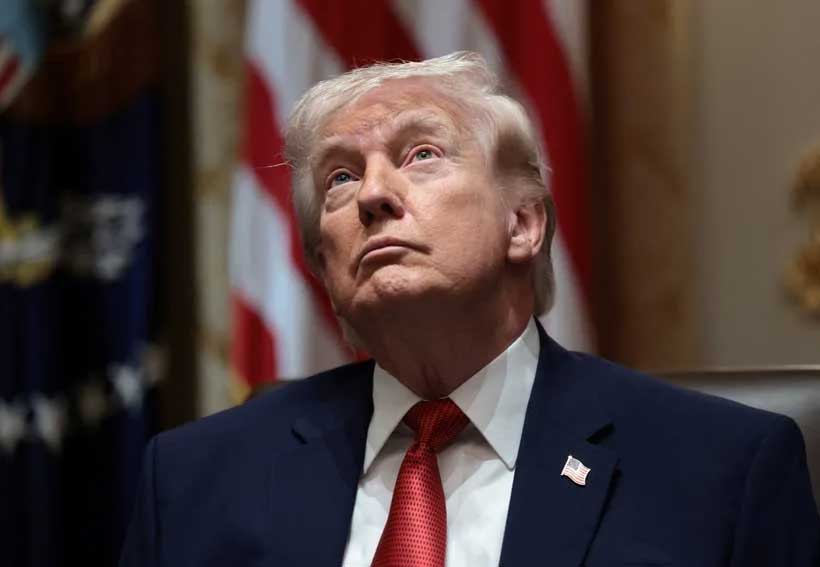
By June 2026, the cracks inside the GOP weren’t hidden anymore. On May 19, the Senate voted 50–47 to push forward a bipartisan war powers resolution that would limit President Donald Trump’s ability to keep military ops going against Iran. Four Republican senators crossed the aisle and voted with Democrats. Then on June 3, the House went even further with a 215–208 vote—four House Republicans joined Democrats in a pretty blunt pushback against Trump’s leadership.
At first it looked like just another fight over war powers and Congress doing its job. But it feels like something bigger: the start of a real tug-of-war over what the Republican Party is going to be once Trump isn’t the center of everything.
For almost ten years now, Republican politics has been all about Trump. You rose if you stood with him, and you got sidelined if you didn’t. Loyalty often counted more than old-school conservative ideas, passing bills, or sticking to principles. But every party eventually has to answer the tough question that personality-driven movements hate: what happens when the big guy starts looking more like a problem than a winner? That question is getting harder for Republicans to dodge.
Trump didn’t just take over the party in 2016 — he remade it. The old Republican worldview of strong alliances, free trade, and steady leadership shifted toward a more populist, Trump-centered style.
Stay ahead of the geopolitical week.
MD Briefing delivers expert analysis across five global fronts — the Indo-Pacific, energy, geoeconomics, European security, and the Middle East — every Monday morning. Free.
It worked for a while. He won elections, fired up voters who felt ignored, and built a super-loyal base. As long as the wins kept coming, most Republicans went along. Parties get tested in the tough times, though — not the good ones. And the Iran conflict is turning into exactly that kind of test.
A lot of Republicans who backed Trump’s rise never thought they’d end up defending another big Middle East war. Trump made “no more endless wars” one of his best lines—slamming both parties for the messes in Iraq and Afghanistan.
Now the fighting with Iran has dragged on for months. Costs are adding up, gas prices sting at the pump, and nobody’s really clear on what “winning” would even mean. That’s created real quiet discomfort inside the party. The senators and reps who voted to rein in Trump’s war powers weren’t just talking procedure. They were signaling that blind loyalty isn’t automatic anymore.
Parties talk a lot about ideology, but when things get serious, survival often wins out. Some Republicans are starting to put distance between themselves and Trump — not because they hate everything he stands for, but because they don’t want their own careers sinking with one person. There’s a real difference between backing conservative policies and handing the whole party over to a single leader. More of them seem to be waking up to that.
What’s interesting is that the pushback is coming from inside the tent. Democrats opposing Trump is old news. When Republicans do it, it hits different. Senators like Rand Paul, Susan Collins, Lisa Murkowski, and Bill Cassidy broke ranks on the Senate vote. In the House, guys like Thomas Massie, Brian Fitzpatrick, Tom Barrett, and Warren Davidson did the same. These are still small numbers. But big shifts often start small.
The bigger story might be that some Republicans are finally imagining a future without Trump dominating every headline. A younger crop is coming up—they agree with him on immigration, trade, and culture wars, but they don’t want the party to be defined only by personal loyalty to him forever. They want a Republican Party that can keep going after he’s gone—Trumpism as one important piece, not the whole thing.
History shows parties sometimes tie themselves too tightly to charismatic leaders. Sometimes it revitalizes them. Sometimes it drags them down.
Right now, some inside the GOP worry Trump might be moving from asset to liability—especially with the Iran war dragging on and polarization getting worse. Trump is still the biggest force in the party with a rock-solid base. But power and lasting control aren’t the same.
These congressional votes show that at least some Republicans are already looking ahead to the next chapter. They see the risks of hitching the whole party’s future to one man. Whether they’re right or wrong, time will tell. But the conversation inside the party has clearly moved past just Iran or war powers. It’s now about whether the Republican Party still belongs to Trump — or whether it can finally start belonging to itself again.
