


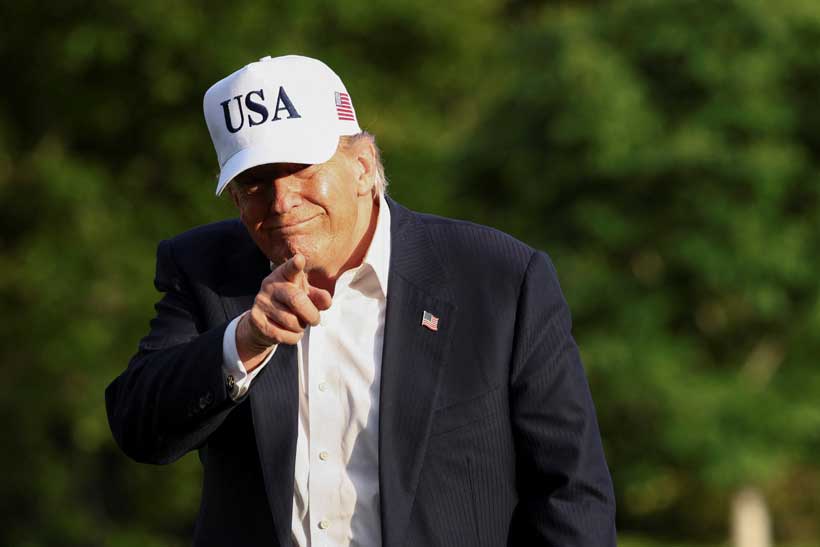
The Trump administration has proposed a new 25 percent tariff on a wide range of imports from Brazil, escalating trade tensions between the two countries after concluding that several Brazilian policies unfairly disadvantage American businesses and restrict United States commerce.
The proposed tariffs were announced by the Office of the United States Trade Representative following the completion of a Section 301 investigation into Brazil’s trade practices. The investigation examined issues including digital trade barriers, electronic payment services, intellectual property protections, ethanol market access, preferential tariff treatment, and concerns related to illegal deforestation.
According to United States Trade Representative Jamieson Greer, the investigation found that Brazil’s policies in multiple sectors are unreasonable and create burdens for American companies seeking to compete in the Brazilian market.
Key Findings of the Investigation
The Section 301 probe, launched last year under the Trade Act of 1974, concluded that several Brazilian trade practices negatively affect United States commercial interests. The USTR argued that these measures restrict market access and create an uneven playing field for American businesses.
Stay ahead of the geopolitical week.
MD Briefing delivers expert analysis across five global fronts — the Indo-Pacific, energy, geoeconomics, European security, and the Middle East — every Monday morning. Free.
The administration’s proposed action would impose a 25 percent tariff on many Brazilian imports entering the United States. However, several major products would remain exempt from the new duties.
Excluded items include beef, coffee, rare earth minerals, aircraft and aircraft parts, crude oil, petroleum products, pharmaceutical compounds, fertilizers, organic chemicals, and many fruits and nuts.
The proposed tariff would also not apply to products already subject to national security related duties under Section 232 of the Trade Expansion Act. These include steel, aluminum, copper, automobiles, and auto parts that are already facing separate tariff measures.
Background
Trade relations between Washington and Brasilia have faced increasing strain in recent years despite ongoing diplomatic engagement between President Donald Trump and Brazilian President Luiz Inacio Lula da Silva.
The latest proposal follows an earlier attempt by Trump to impose a 50 percent tariff on many Brazilian goods in 2025. That measure included a 40 percent punitive component linked to Brazil’s legal proceedings against former Brazilian President Jair Bolsonaro, a close political ally of Trump.
However, the United States Supreme Court struck down those duties in February, forcing the administration to seek alternative legal avenues to address its trade concerns.
Section 301 of the Trade Act has previously been used by Trump to impose tariffs on Chinese imports during his first term and remains one of Washington’s most powerful trade enforcement tools.
Why It Matters
The proposed tariffs could significantly affect trade flows between the two largest economies in the Western Hemisphere. While many major Brazilian exports have been exempted, the measures could still increase costs for importers and businesses that rely on affected Brazilian goods.
For Brazil, the move adds pressure on key sectors already navigating global economic uncertainty and could complicate broader trade discussions with the United States.
For American companies, the administration argues that the tariffs are intended to address long standing concerns regarding market access, intellectual property protections, and digital trade practices.
The proposal also signals that the Trump administration is prepared to continue using Section 301 investigations as a central element of its trade strategy. Ongoing investigations involving China, Vietnam, and dozens of other trading partners suggest additional tariff actions may follow.
Public Consultation Process Begins
The USTR has opened a public comment period on the proposed tariffs through July 1. A public hearing is scheduled for July 6, allowing businesses, industry groups, and other stakeholders to present their views.
The agency faces a July 15 deadline to determine what responsive action it will ultimately take following the investigation.
Input from affected industries could influence the final scope of the tariffs, including whether additional exemptions are granted or whether certain products are removed from the proposed list.
What’s Next
The coming weeks will determine whether the proposed tariffs become permanent policy or are modified following public consultation.
Brazil is expected to engage diplomatically with Washington in an effort to address concerns raised in the investigation and potentially secure additional exemptions for its exports.
Meanwhile, businesses on both sides of the trade relationship will closely monitor the July consultation process to assess potential impacts on supply chains, investment decisions, and market access.
The outcome of the Brazil case may also provide insight into how aggressively the Trump administration plans to use Section 301 trade powers against other countries currently under investigation. Any final decision could shape broader United States trade policy and influence future negotiations with key global trading partners.
With information from Reuters.
