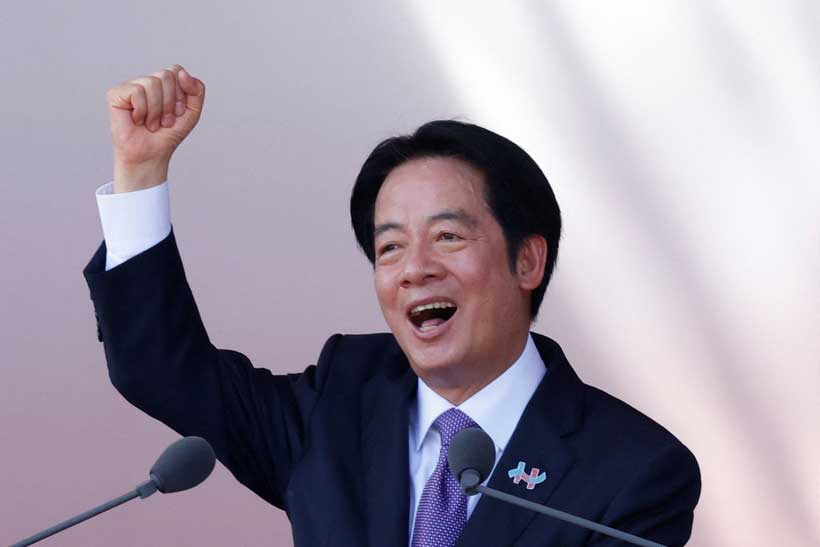
Taiwan is facing a political deadlock because the government will not make changes to a local government spending law passed by the opposition-controlled parliament. The government argues that the plan is financially unsound and lacked proper consultation. In response, the opposition wants to impeach President Lai Ching-te, calling him a “dictator” for ignoring the legislature, although they do not have enough votes to do so. Instead, they may attempt to pass a no-confidence vote against Premier Cho Jung-tai, which could lead to new elections.
In the January 2024 elections, Lai from the Democratic Progressive Party (DPP) won the presidency, but the DPP lost its parliamentary majority to the Kuomintang (KMT) and the Taiwan People’s Party. The opposition has been blocking key government proposals, like the budget, while both sides accuse each other of violating the constitution. Two recall attempts against KMT lawmakers supported by the DPP have failed.
Impeaching Lai is unlikely due to the requirement of a two-thirds vote, which the opposition does not have. If they succeed in removing Cho through a no-confidence vote, the president can dissolve parliament, leading to new elections, which would be unprecedented. However, KMT lawmakers do not seem willing to pursue this route since they prefer to avoid new elections.
This standoff occurs amid increased Chinese pressure on Taiwan, as China does not recognize Lai’s government. The opposition has also blocked discussions on a significant defense budget recently proposed by Lai. Taiwan’s next major elections are set for November 2026, focusing on local leaders, before presidential elections in early 2028.
With information from Reuters