


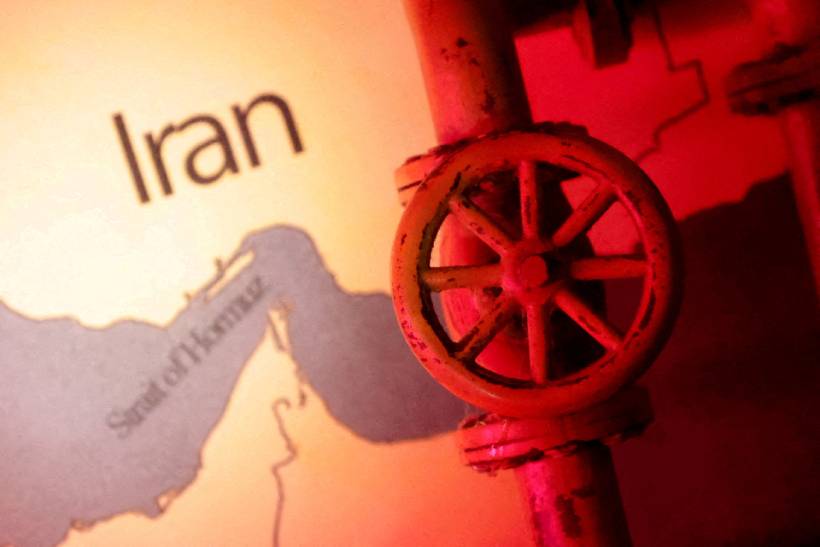
The United States has imposed fresh sanctions on companies and individuals in India and Turkey accused of helping Iran evade international restrictions, expanding Washington’s economic pressure on Tehran despite growing domestic opposition to the war.
The US Treasury Department announced the measures on Wednesday under the Trump administration’s “Operation Economic Outcast”, a campaign designed to restrict Iran’s ability to generate revenue from oil exports and finance its military activities.
The latest action targets an India-based network accused of providing fraudulent maritime registrations and certifications to vessels transporting Iranian petroleum, as well as a Turkish company accused of supporting Iran’s heavily sanctioned aviation sector.
The announcement comes shortly after Democrats made significant gains in the US midterm elections, winning control of both chambers of Congress amid voter frustration over the war with Iran and its contribution to rising energy costs.
Stay ahead of the geopolitical week.
MD Briefing delivers expert analysis across five global fronts — the Indo-Pacific, energy, geoeconomics, European security, and the Middle East — every Monday morning. Free.
US Targets Indian Network Accused of Helping Iranian Oil Shipments
The Treasury Department said its sanctions targeted an alleged network operated by India-based Suniel Kumar Sharma, his wife Jaspreet Preeti Shahid and two other Indian nationals who head businesses associated with the couple. Nine additional entities connected to Sharma were also designated.
According to the department, the network provided fraudulent flags and maritime certifications to sanctioned vessels involved in transporting Iranian petroleum, including ships operating on behalf of Iran’s military and its regional proxies.
Sharma and Shahid, who are based in Chandigarh, allegedly claimed to represent countries including Guyana, Eswatini and Laos when issuing vessel registrations and certifications.
The network reportedly established websites and purchased internet domains to present itself as offering maritime services on behalf of these and other countries. Its activities included vessel flagging, seafarer training, certification and ship classification.
The Treasury Department said these arrangements enabled vessels to conceal their activities and continue operating despite international restrictions.
Why False Maritime Registrations Matter
The allegations highlight a less visible part of the international sanctions-evasion system: the use of fraudulent maritime documentation to conceal the ownership, registration and activities of vessels.
Ships operating under false flags or carrying invalid certifications can evade safety and environmental requirements. They may also operate without appropriate indemnity insurance, increasing the financial risks for countries whose territorial waters they enter.
An accident involving an uninsured vessel could leave coastal states facing substantial environmental damage and economic losses without a reliable mechanism for compensation.
By targeting companies that provide these services, Washington is attempting to disrupt the commercial infrastructure that allows Iranian oil shipments to move through international maritime networks.
The Treasury Department also issued an industry alert warning businesses about the sanctions risks associated with vessels using potentially fraudulent flags and certifications.
Turkish Aviation Company Accused of Supporting Iranian Airlines
The sanctions also target Fugo Ground Services Inc, a Turkey-based company accused of providing ground-handling and other services to Iran’s heavily sanctioned aviation industry.
According to the Treasury Department, the company supported several Iranian airlines that remained active on routes to Turkey despite US restrictions. These included Iran Air Tour, Saha Airlines, Taban Airlines and Ata Airlines.
The designation extends Washington’s pressure beyond oil exports and maritime transport to the aviation services that help sanctioned Iranian carriers continue operating internationally.
The move also highlights the exposure of foreign companies that maintain commercial relationships with sanctioned Iranian entities. Businesses outside the United States can face serious consequences if they facilitate transactions or services that violate US restrictions.
Washington Signals That Sanctions Pressure Will Continue
Treasury Secretary Scott Bessent said the administration would continue targeting individuals and companies supporting Tehran through land, sea and air networks.
The sanctions freeze any assets held by designated individuals and entities within US jurisdiction, prohibit most transactions involving them and extend restrictions to companies in which designated persons hold at least a 50% ownership stake.
Foreign banks and businesses can also face penalties if they assist in evading or violating the restrictions. Depending on the circumstances, violations can result in civil or criminal consequences for both US and foreign individuals and companies.
Brett Erickson, managing principal of Obsidian Risk Advisors, described the measures as evidence that the administration was intensifying its economic campaign against Iran despite the Republicans’ electoral setbacks.
His assessment points to a broader political contradiction facing Washington: the administration is under pressure over the domestic economic consequences of the war but continues to expand its sanctions strategy against Tehran.
Iran War Complicates Trump’s Domestic and Foreign Policy
The timing of the sanctions is politically significant. Trump acknowledged on Wednesday that the war with Iran and the resulting increase in gasoline prices contributed to Republican losses in the midterm elections, although he maintained that the military campaign was worth pursuing.
Oil prices fell sharply amid volatile trading as investors assessed the possibility of an end to the conflict. However, uncertainty over diplomatic negotiations and the security of energy supplies continues to influence global markets.
The Treasury Department’s latest measures also come after Washington reimposed its blockade of Iranian ports on July 14, following the breakdown of a memorandum of understanding between Tehran and the United States intended to end the war.
India has not yet publicly commented on the latest sanctions, and its foreign ministry had not responded to a request for comment.
For countries and companies maintaining commercial ties with Iran, the measures reinforce the risks of operating within sectors exposed to US sanctions enforcement.
What Happens Next for US-Iran Economic Pressure?
The latest designations suggest that Washington is seeking to weaken Iran’s economic networks by targeting not only oil sales but also the intermediaries, transport providers and service companies that facilitate international trade.
The focus on Indian and Turkish entities also demonstrates the extraterritorial reach of US sanctions policy. Companies operating outside American territory can face significant financial and commercial consequences when their activities involve designated Iranian organisations.
However, the effectiveness of this approach will depend on whether Washington can disrupt the networks supporting Iranian exports without creating wider diplomatic friction with countries whose businesses are affected.
The administration’s immediate challenge is balancing continued economic pressure on Tehran with domestic demands for lower energy prices and an end to the war. The midterm results have increased the political costs of escalation, but Wednesday’s sanctions indicate that Washington is not yet prepared to ease its campaign against Iran.
With information from Reuters.
