


Houthi attacks on Saudi Arabia have triggered widespread aviation disruption, with nearly nine out of every 10 scheduled flights at Riyadh’s main airport cancelled between October 8 and October 25, according to aviation data.
Data from aviation analytics firm Cirium showed that 4,071 of the 4,736 scheduled flights at King Khalid International Airport were cancelled, leaving the Saudi capital facing a major interruption to domestic and international travel.
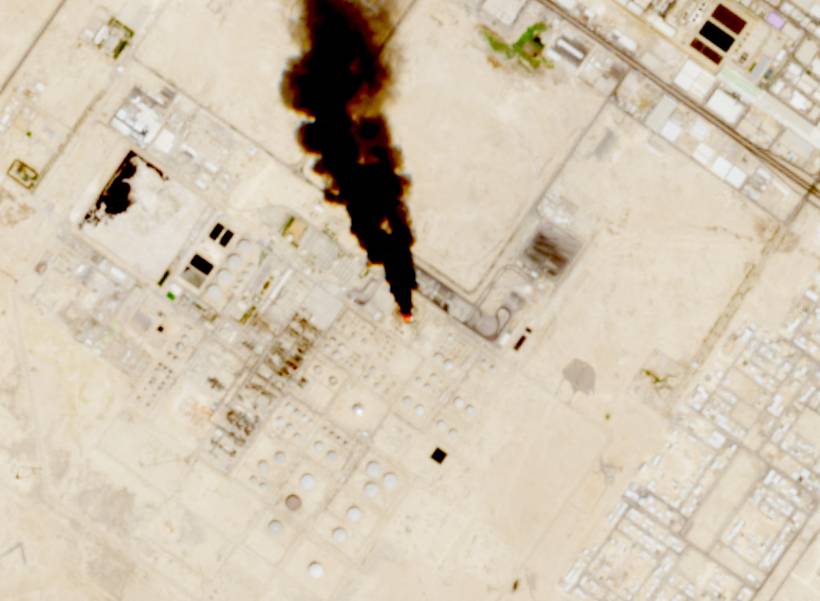
The Iran-aligned Houthi movement has intensified attacks on Saudi Arabia this month, targeting airports, ports and oil facilities with ballistic missiles and drones. Riyadh’s airport, the kingdom’s second-busiest after Jeddah, has been repeatedly targeted. An October 10 attack killed 13 people, marking Saudi Arabia’s deadliest such incident in more than a decade.
Riyadh Airport Partially Reopens Amid Continued Attacks
Saudi authorities partially reopened King Khalid International Airport on Sunday after operations had been halted since October 10. Domestic flights resumed from Terminal 1, while Saudi national carriers were permitted to operate international services from Terminal 2.
Stay ahead of the geopolitical week.
MD Briefing delivers expert analysis across five global fronts — the Indo-Pacific, energy, geoeconomics, European security, and the Middle East — every Monday morning. Free.
However, the reopening has not ended concerns about aviation safety. The Houthis claimed on Monday that they had attacked Riyadh’s airport again, describing it as a “military target.”
The continued threats have prompted international airlines to suspend services to the Saudi capital into November. Delta Air Lines has also postponed the launch of its Riyadh route until next year, reflecting the uncertainty facing carriers planning services to the kingdom.
Flight Cancellations Spread Across Saudi Arabia
The disruption has extended well beyond Riyadh. More than 7,800 flights, representing around 45% of all scheduled departures from Saudi airports, were cancelled between October 8 and October 25, Cirium data showed.
The worst nationwide disruption occurred on October 12, when cancellations exceeded 60% of scheduled flights. Several major airports recorded substantial interruptions, including Dammam, where 42% of flights were cancelled, and Abha, where cancellations reached 46.7%. The Houthis have claimed attacks on Abha.
Smaller regional airports were also heavily affected. Najran, located near the Yemeni border, recorded cancellations of all scheduled flights during the period.
The scale of the disruption highlights the vulnerability of Saudi Arabia’s aviation network to continued attacks, particularly when security concerns force airlines and airport authorities to suspend operations across multiple locations.
Aviation Disruption Hits Saudi Arabia’s Business Calendar
The flight cancellations have also created difficulties for Saudi Arabia’s business and investment activities. Several events in Riyadh have been cancelled or postponed as travel restrictions and suspended airline services prevent participants from reaching the capital.
Among the affected events is Saudi Arabia’s flagship investment conference, a major gathering for international investors and business leaders.
The disruption therefore extends beyond passengers and airlines. Prolonged interruptions to air travel can complicate business meetings, international participation and the movement of visitors across the kingdom.
What Happens Next?
Saudi Arabia’s partial reopening of Riyadh airport offers a limited return to normal operations, but the Houthis’ latest claim of an attack underscores the continuing uncertainty.
International airlines’ decisions to suspend or delay services suggest that restoring regular schedules will depend on security assessments and confidence that airport operations can continue safely.
With cancellations affecting nearly half of scheduled departures nationwide during the period, the duration of the disruption will determine how severely the attacks continue to affect Saudi Arabia’s transport links, commercial activities and international connectivity.
With information from Reuters.
