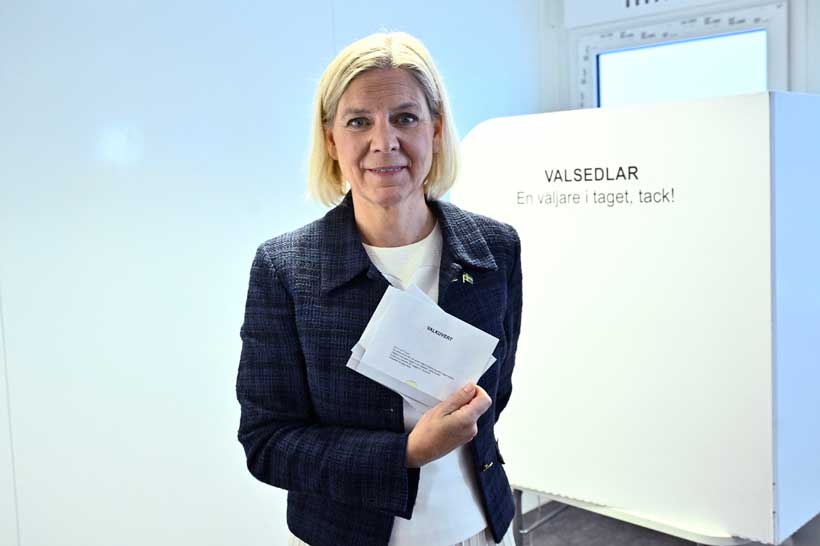
Two months after a close election win, Sweden’s centre-left parties are struggling to agree on power-sharing. The centre-right hopes to regain power if the centre-left fails to form a coalition, and a re-run election could happen if discussions remain stalled. The rise of the far-right Sweden Democrats has disrupted long-standing political alliances, making the formation of a new government essential.
Negotiations are held up mainly because the Centre Party is blocking the Left’s call for cabinet positions, reflecting deeper ideological divides among the four centre-left parties. The Social Democrats, who have a historical legacy of building the welfare state, are leading efforts for a new government. The Centre Party has a pro-business focus, while the Left seeks higher taxes and greater state control, despite facing accusations of antisemitism. The Green Party wants to finance its climate agenda with taxes on the wealthy and polluters.
Social Democrat leader Magdalena Andersson must find a way to get either the Left or the Centre Party to compromise and agree on a policy package. If negotiations fail and the Centre Party maintains its veto on alliances with the Left and the far-right, new elections may occur within three months. The parliamentary speaker assigned Ulf Kristersson to form a government, but his chances look bleak without Centre Party support. Key issues at stake include climate policy, immigration, and the influence of the far-right, with both sides having distinct plans for the future of Sweden.
With information from Reuters
Stay ahead of the geopolitical week.
MD Briefing delivers expert analysis across five global fronts — the Indo-Pacific, energy, geoeconomics, European security, and the Middle East — every Monday morning. Free.