


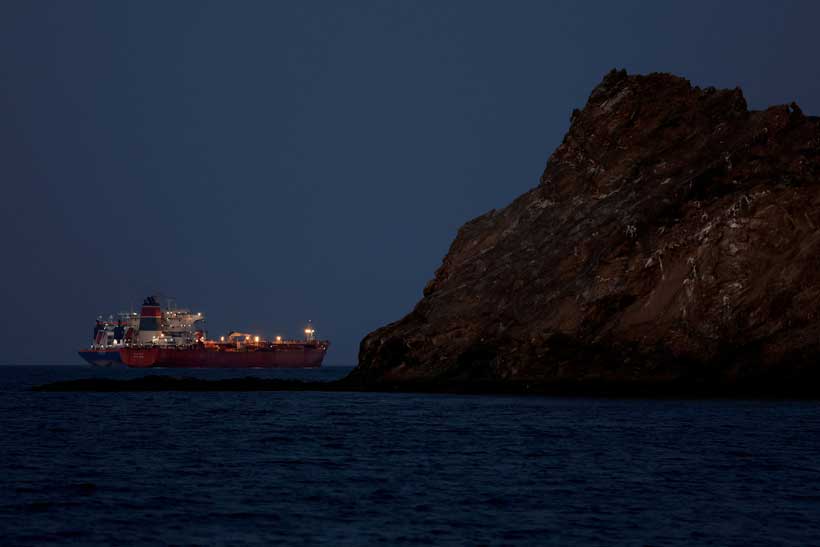
Myanmar’s military-linked energy network disguised Iranian jet fuel shipments as South African diesel, using false trade documents and misleading shipping records to conceal transactions worth millions of dollars. The scheme allowed fuel to continue reaching Myanmar despite US sanctions targeting its military’s aviation fuel supply.
How the Scheme Worked
In December 2025, the tanker Reef, carrying approximately 113,000 barrels of Iranian jet fuel, arrived in Myanmar under paperwork describing the cargo as South African diesel. A $15.8 million sales contract between Myanmar-based energy broker Dynamic Wave and Thailand’s Tawan-Oil Trading presented the transaction as a legitimate diesel purchase, despite no recorded South African diesel trade with Myanmar in 2025, according to the United Nations and shipping data provider Vortexa.
Myanmar’s foreign exchange regulator also appeared to facilitate the arrangement. In a November 30 letter, the regulator reportedly authorized import documents that would label the shipment as diesel rather than jet fuel. The letter also approved payments from Dynamic Wave and its client, National Energy Prime Aviation Services Company, to Tawan.
Satellite imagery and shipping analysis by SynMax Intelligence traced the tanker’s journey from Iran’s Bandar Abbas port to Southeast Asia, supporting the conclusion that the cargo originated in Iran.
Stay ahead of the geopolitical week.
MD Briefing delivers expert analysis across five global fronts — the Indo-Pacific, energy, geoeconomics, European security, and the Middle East — every Monday morning. Free.
Why the Fuel Matters
The United States imposed targeted sanctions on Myanmar’s jet fuel industry in 2023 in response to the military’s air attacks on civilian targets during the country’s ongoing conflict. Purchases of Iranian oil and fuel also expose buyers to US sanctions.
Since seizing power in 2021, Myanmar’s military has fought armed resistance groups in a conflict marked by widespread violence and deadly aerial attacks. The United Nations reported in August that military air assaults had killed thousands of people, including civilians.
Iran became Myanmar’s primary jet fuel supplier between October 2024 and December 2025, with shipments carried partly by the tankers Reef and Noble. The continued flow of fuel provides Myanmar with supplies for commercial aviation and military air operations, while generating foreign currency for Tehran.
A Wider Pattern of Disguised Shipments
The December delivery was not an isolated incident. In May 2025, Dynamic Wave agreed to purchase approximately 202,000 barrels of purported South African diesel from Tawan under a $26 million contract.
However, the fuel specifications in the invoice reportedly matched jet fuel rather than diesel, according to jet fuel expert Joshua Heyne of Washington State University and data from Platts. The stated price was also more than 50% above a global diesel benchmark.
Shipping records showed that the tanker Noble arrived in Yangon in June carrying just under 200,000 barrels of jet fuel intended for Dynamic Wave. According to SynMax’s satellite analysis, the vessel loaded its cargo at Bandar Abbas and transmitted location signals that made it appear to be heading towards Chittagong, Bangladesh.
These transactions suggest that the network relied on multiple methods to obscure the fuel’s origin and destination, including misleading contracts, mislabelled import documents and deceptive shipping signals.
The Thai Banking Connection
The contracts directed payments to Tawan’s account at Siam Commercial Bank (SCB), Thailand’s oldest bank. A 2024 report by United Nations experts had identified Tawan as a jet fuel supplier to Myanmar’s military and described SCB as a major facilitator of military procurement.
SCB previously stated that it complied with anti-money-laundering laws and that its Myanmar-related transactions were legitimate and unrelated to the arms trade. Reuters could not establish whether the bank knew the nature of Tawan’s business.
Thai regulators had ordered banks in 2024 to scrutinize Myanmar-related transactions more closely to comply with sanctions and anti-money-laundering requirements. SCB, Tawan and the Bank of Thailand did not respond to Reuters’ latest requests for comment.
What This Means for US Sanctions
The case highlights both the reach and limitations of US economic sanctions. The apparent need to disguise Iranian jet fuel as diesel suggests that sanctions have raised the risks associated with these transactions. Yet the continued arrival of Iranian fuel indicates that restrictions have not fully stopped the trade.
The transactions also raise questions about the role of intermediaries, import documentation and financial institutions in enforcing sanctions across borders. Even when a government restricts direct purchases, opaque commercial arrangements and misleading shipping records can make it difficult to identify the origin and end use of sensitive goods.
Myanmar’s military-linked companies and Iranian suppliers have continued to operate despite these restrictions. Reuters reported in October that Iranian jet fuel shipments to Myanmar were still taking place in 2026.
The case therefore illustrates a central challenge for sanctions enforcement: restricting access to strategic supplies requires not only targeting suppliers and buyers but also detecting the commercial and financial mechanisms used to conceal transactions.
With information from Reuters.
