Gulf oil exporters managed to increase their exports to levels above those seen before the recent war for about half of September. However, ongoing attacks on tankers and logistical issues raise concerns about the sustainability of these higher shipping volumes. Data showed that the crude export average from the region was 18.3 million barrels per day by September 30, with shipments exceeding pre-war levels for 14 days that month. Most of this oil originated from the Gulf region and included transfers through various routes.
The surge in exports was particularly driven by Saudi Arabia, which began loading oil from both the Red Sea and the Gulf soon after an attack on its East-West pipeline. This increase required more supertankers due to limits on ship-to-ship transfers in the Gulf of Oman. Iraq’s Oil Tanker Company also managed to secure permission from Iran to allow its tankers to pass through the Strait of Hormuz, facilitating further shipments.
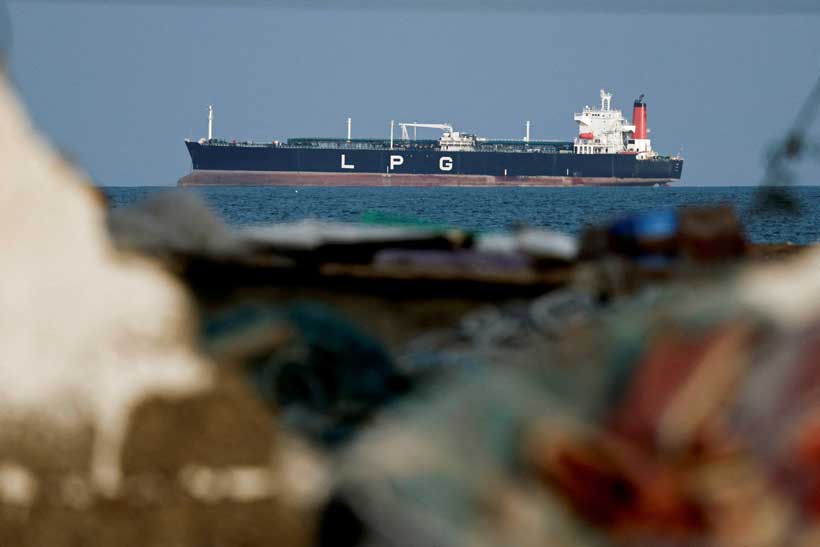
While exports have risen, there is a concerning trend of tanker attacks. Over the past week, at least seven incidents were reported, including one attack on the ship Kazimah III, which caught fire after being struck by a projectile. Another tanker, Lipsi, was damaged similarly, although no injuries were reported among the crews. The frequency of such attacks has raised alarms about safety in these waters, with reports indicating that Iranian forces may be targeting areas with missile strikes rather than specific vessels. Prior to the conflict, the Strait of Hormuz handled about 125 commercial vessels daily, important for global oil and gas supplies.
With information from Reuters