


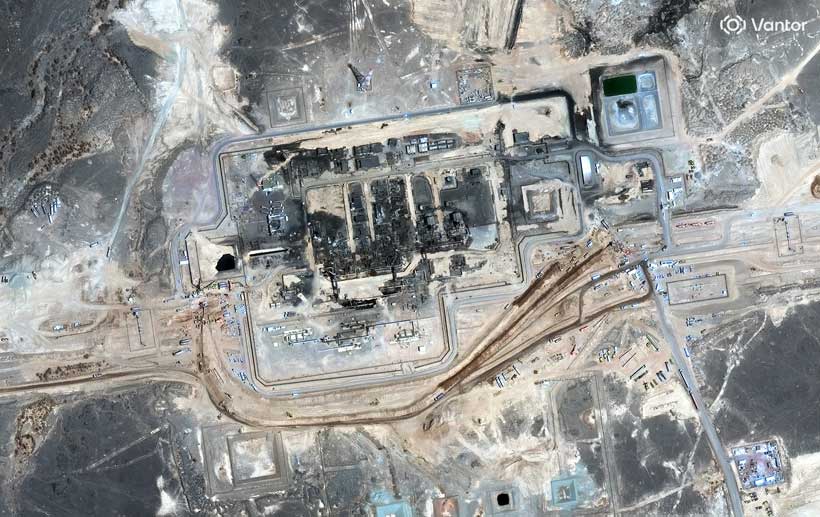
On September 11, drones launched from Iraq struck Saudi Arabia’s East West Pipeline, the 1,200 kilometer link that carries up to seven million barrels of crude a day from the Eastern Province to the Red Sea port of Yanbu. The kingdom shut the line down as a precaution. Less than 24 hours later, Houthi fighters completed their capture of Perim Island, the small volcanic outcrop that splits the Bab el Mandeb Strait into its two navigable channels, and barred Saudi flagged ships from passing through. In the space of a single day, Saudi Arabia lost its last working alternative to the Strait of Hormuz and its remaining route out through the Red Sea. What had been a squeeze became something closer to an enclosure.
The kingdom that built the world’s largest oil export machine now finds nearly every corridor for that oil either blockaded, attacked, or contested. And the alliances Riyadh spent the past year assembling, first a mutual defense pact with Pakistan, then a trilateral pact adding Turkey, have so far produced statements of solidarity rather than force on the ground.
to read the full analysis, please please subscribe to our premium MD Briefing
