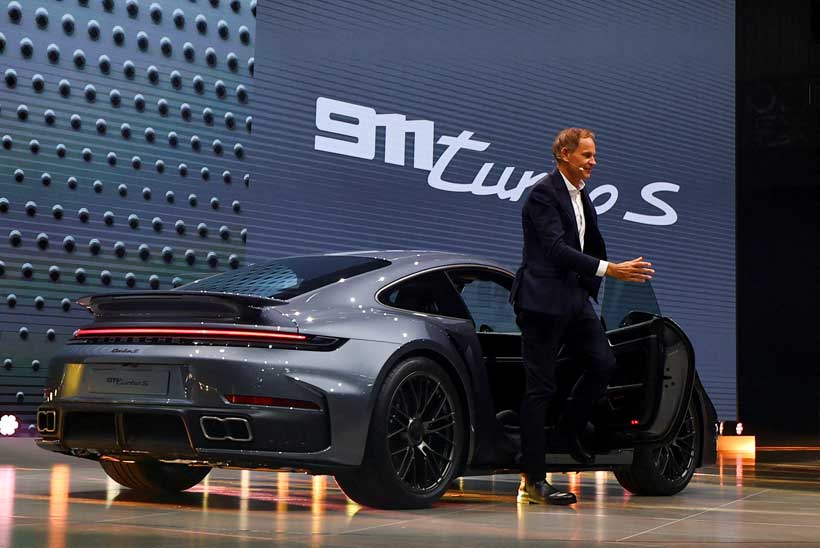
Volkswagen’s luxury brand Porsche has become a significant issue for CEO Oliver Blume’s restructuring plans at the company. Just a few years after a successful initial public offering, Porsche is facing difficulties, especially in the Chinese market, and is struggling with the transition to electric vehicles. Protests from workers against job cuts in Germany highlight broader challenges for Volkswagen and the German automotive industry, which is feeling pressure from Chinese competitors and U.S. tariffs.
Volkswagen recently issued a profit warning, largely due to a €6 billion writedown on its stake in Porsche. This comes after the company announced substantial job cuts, marking a critical time in its 89-year history. Analysts have pointed out that this situation is a “very negative signal,” and they are concerned about the ongoing fragility of Volkswagen’s financial health. The writedown reflects diminishing financial expectations for Porsche, which had previously been seen as a strong profit driver but is now losing its edge.
Porsche’s profit margins have declined, and its strategy of focusing on value over volume is leading to reduced sales. Despite an internal assurance from Porsche’s CEO that they still aim for profit margins of 10% to 15%, there is skepticism about future sales, especially following a retreat from the Chinese market and pressures from the U.S. market.
As Volkswagen’s goodwill for Porsche has decreased significantly, there are concerns about where Porsche fits within the larger group. Meanwhile, the budget brand Skoda is becoming more profitable than Porsche. Other German automakers like Mercedes and BMW are also reducing their workforces, with calls for protective measures against cheap imports from China. The effectiveness of these actions to help Volkswagen reach its goal of a 9% operating margin by the end of the decade remains uncertain. The struggles at Porsche may even lead to deeper cuts within Volkswagen as they attempt to stabilize their situation.
With information from Reuters