


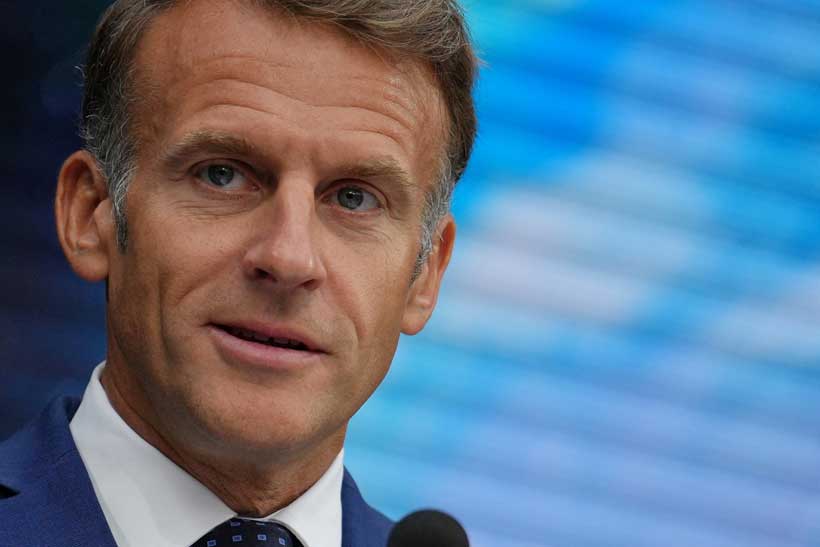
When Emmanuel Macron stepped up at the Île Longue submarine base on 2 March 2026, he was not simply updating French defense doctrine. He was ending a thirty-four-year trajectory of unilateral nuclear drawdown, and, more consequentially, putting a name and a working structure on something France had kept deliberately vague since Charles de Gaulle built the force de frappe to answer nobody’s doubts but Paris’s own. The speech landed awkwardly, buried in a news cycle still absorbing the US-Israeli war on Iran, and much of the coverage that followed treated it as a curiosity: interesting, understandably overshadowed, filed under European-defense trivia. That undersells it. Forward deterrence, dissuasion avancée, is either the first real crack in seven decades of French nuclear solitude, or it is the latest and most elaborate version of an ambiguity Paris has managed since 1974, when NATO first quietly acknowledged that French weapons contributed to allied security without ever agreeing on how. Six months on, it is still genuinely unclear which one it is, and the answer may turn less on strategy than on a French election that has nothing to do with nuclear doctrine at all.
To read the full analysis, please subscribe to our premium MD Briefing
