


Central Claim
The diplomatic traffic through Tehran this week, Qatar, Pakistan and Oman all visiting in seven days, has generated the appearance of momentum toward reopening the Strait of Hormuz. The substance tells a different story. Iran is not negotiating terms; it is compiling them. The corridor Iran and Oman have agreed on requires American concessions Iran knows Washington has not accepted. And behind every negotiating position sits a leadership whose actual decision-making authority remains genuinely unclear six months into a war that killed the Supreme Leader and installed his son.
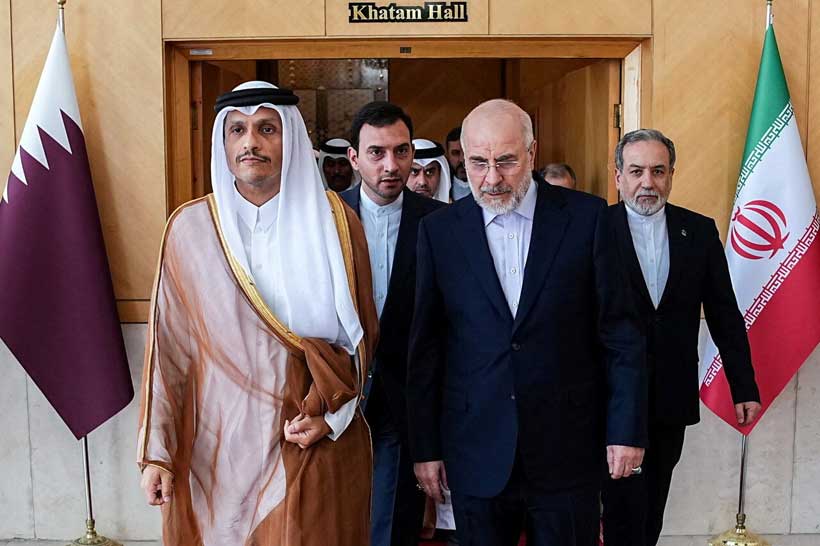
Three countries sent delegations to Tehran in a single week. Qatar’s prime minister met the foreign minister, the president, the parliament speaker and the security chief in one day, an itinerary that reads less like diplomacy and more like an audition for the party that can actually deliver a deal. Pakistan’s officials came before him. Oman’s foreign minister came before that. The intensity of the mediating effort is real. What it has produced, as of today, is Iran’s top security official telling Qatar’s prime minister that the US must take practical steps to fulfil Iran’s conditions before Iran will proceed to open Hormuz. That is not a negotiating position, it’s a precondition for entering one.
What the Iran-Oman Framework Actually Says, and What It Leaves Out
The technical agreement between Iran and Oman is more modest than its coverage suggests. Iran and Oman agreed on a corridor running partly through Omani and partly through Iranian waters, with vessels using a middle channel if Washington met Iran’s demands. That final clause is doing enormous work, because the corridor exists on paper. It becomes operational only if the US lifts its naval blockade of Iranian ports, removes oil sanctions, and pays compensation for war damages — the IRGC’s stated conditions, repeated publicly this week. None of those conditions have been met. None appear imminent.
To read the full analysis, please subscribe to our premium MD Briefing
Stay ahead of the geopolitical week.
MD Briefing delivers expert analysis across five global fronts — the Indo-Pacific, energy, geoeconomics, European security, and the Middle East — every Monday morning. Free.
