


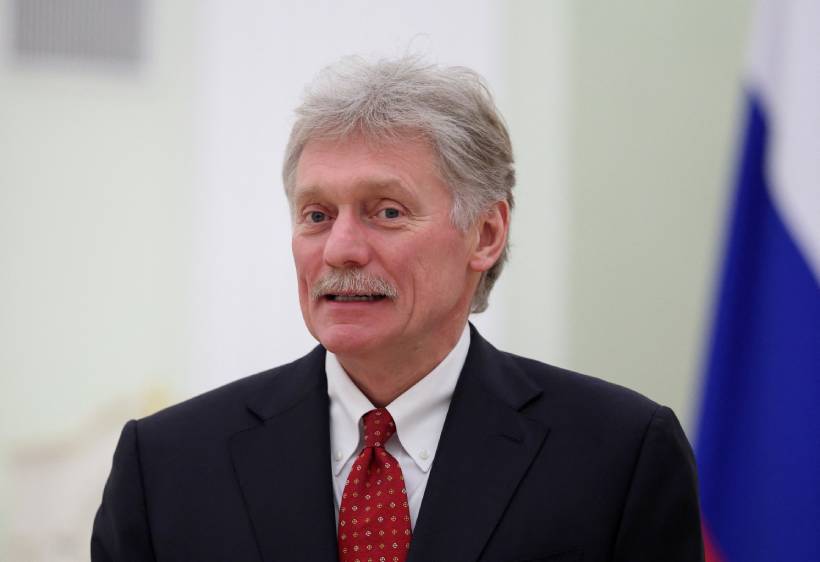
The Kremlin said on Thursday that there is no immediate prospect of resuming peace negotiations with Ukraine, although Moscow remains open to future dialogue if conditions allow.
The comments come as the war enters its fifth year, with fighting continuing along largely unchanged front lines and diplomatic efforts remaining stalled despite repeated mediation attempts.
Kremlin Says No Signs of New Talks
Kremlin spokesperson Dmitry Peskov said Russia appreciates Turkey’s continued willingness to facilitate negotiations but sees no indication that formal talks will resume anytime soon.
“We are well aware of our Turkish friends’ readiness to continue facilitating a shift toward a peaceful resolution of the situation surrounding Ukraine,” Peskov told reporters.
Stay ahead of the geopolitical week.
MD Briefing delivers expert analysis across five global fronts — the Indo-Pacific, energy, geoeconomics, European security, and the Middle East — every Monday morning. Free.
“We are grateful to the Turkish side for this. At the moment, however, there are no immediate prospects for resuming the negotiation process; we do not see any such signs. Nevertheless, the Russian side certainly remains open to this path.”
Turkey has hosted several rounds of negotiations since the war began and has repeatedly offered to mediate between Moscow and Kyiv.
Peace Efforts Remain Frozen
Despite multiple diplomatic initiatives, negotiations have made little progress.
Three brief rounds of peace talks were held in Istanbul during 2025, followed by two rounds of discussions in Abu Dhabi and another in Geneva with mediation from the United States.
However, negotiations stalled in February as Washington shifted much of its diplomatic focus to the conflict involving Iran.
Meanwhile, the battlefield situation has changed little, with Russia and Ukraine continuing long-range missile and drone attacks against each other’s cities, energy infrastructure and maritime targets.
Ukraine Cabinet Changes Unlikely to Shift Moscow’s Position
Peskov said the Kremlin is monitoring President Volodymyr Zelenskiy’s latest government reshuffle, including the appointment of a new prime minister and defence minister.
However, he said the personnel changes would not alter Russia’s position unless Ukraine demonstrated a willingness to pursue a negotiated settlement.
His remarks followed Ukraine’s appointment of Sergii Koretskyi as prime minister as part of a broader cabinet overhaul aimed at strengthening the country’s wartime leadership.
Ceasefire Still a Major Sticking Point
One of the biggest obstacles to restarting negotiations remains disagreement over a ceasefire.
Ukraine has consistently called for an immediate halt to hostilities as a starting point for broader peace talks.
Russia has rejected that approach, arguing that a temporary ceasefire would simply allow Ukraine to regroup and strengthen its military.
Instead, Moscow says it is seeking a comprehensive and permanent settlement that addresses what it describes as the root causes of the conflict.
Why It Matters
The Kremlin’s comments underscore the growing diplomatic deadlock surrounding the war. Despite repeated international mediation efforts, neither side appears willing to make the concessions needed to restart meaningful peace negotiations.
What Comes Next
The outlook for renewed peace negotiations remains bleak in the near term. With the Kremlin saying it sees no immediate prospects for talks and Ukraine insisting on a ceasefire before substantive negotiations, the diplomatic process appears deadlocked. Neither side has shown a willingness to compromise on its core demands, making a breakthrough unlikely without sustained international pressure or significant changes on the battlefield.
In the coming months, attention is expected to shift toward military developments rather than diplomacy. Ukraine is likely to continue expanding long-range drone and missile strikes targeting Russian energy facilities, logistics hubs and military infrastructure in an effort to weaken Moscow’s war machine. Russia, meanwhile, is expected to maintain pressure along the front lines while intensifying missile and drone attacks on Ukrainian cities and critical infrastructure, particularly as Kyiv prepares for another winter.
Turkey is expected to remain one of the few active mediators willing to host future negotiations, while other international actors could attempt to revive diplomatic channels if conditions become more favourable. However, the United States’ focus has been divided by the conflict with Iran, reducing momentum for mediation efforts that previously brought both sides to the negotiating table.
Political developments inside Ukraine, including the appointment of a new prime minister and defence minister, are unlikely to alter Russia’s negotiating position unless Kyiv signals greater flexibility on issues Moscow considers essential. At the same time, Ukraine’s new leadership will likely prioritise strengthening the country’s energy resilience, securing additional Western military assistance and sustaining pressure on Russian forces before considering any renewed diplomatic engagement.
Ultimately, any return to meaningful peace talks will depend on whether military realities, political calculations or international mediation create incentives for both Moscow and Kyiv to revisit negotiations. Until then, analysts expect the conflict to remain characterised by continued battlefield attrition, long-range strikes and limited diplomatic progress.
With information from Reuters.
