


THIS WEEK’S STORY
Six weeks was all the peace the market got. Trump reinstated the Hormuz blockade on Monday and by Tuesday oil had jumped 3%, the Fed was back under pressure, and airline stocks were sliding. Meanwhile China’s exports hit a multi-year high on AI chip demand, Nvidia quietly halved its Asian buyer list, and Washington bet $25 million on an Indiana startup to challenge Beijing’s rare earth dominance. The crisis just returned to a very different world than the one it left.
THE POWER MOVES
Washington turns the Hormuz tap back off
Brent jumps 2.6% to $85 as Trump reinstates naval blockade and announces a 20% transit fee
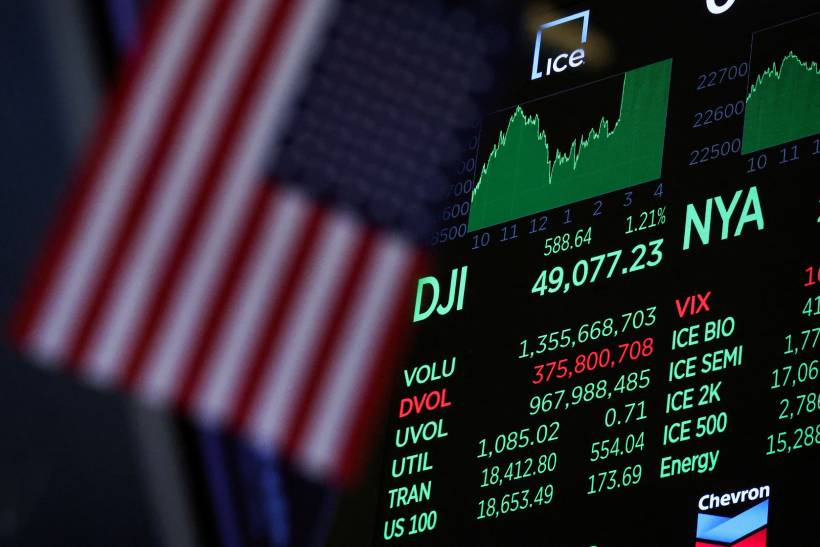
Trump’s reimposition of a naval blockade on Iran sent oil surging and markets lurching. European travel stocks fell 2%, airlines dropped, and the S&P 500 closed 0.8% lower overnight. BP rose 3% on stronger trading results. The ceasefire optimism that carried markets through June has been fully unwound in 48 hours.
China’s export machine shifts into a higher gear
Exports up 27%, imports up 36%, both at multi-year highs driven by AI chip demand
Stay ahead of the geopolitical week.
MD Briefing delivers expert analysis across five global fronts — the Indo-Pacific, energy, geoeconomics, European security, and the Middle East — every Monday morning. Free.
China’s June trade numbers beat forecasts convincingly, with the AI boom doing what domestic demand cannot. The ratio of exports to total manufacturing sales has hit its highest since China joined the WTO in 2001. But retail sales remain flat and fixed asset investment is negative. China is winning abroad and struggling at home.
The Pentagon bets on Indiana to break China’s rare earth grip
$25 million into ReElement Technologies for a facility producing rare earths, germanium and gallium
The Defense Department committed $25 million to rare earths startup ReElement Technologies, funding a facility in Marion, Indiana that will produce materials critical to fighter jets, missiles and submarines. China dominates global rare earth processing, and Washington is building an alternative supply chain domestically, one startup at a time.
BETWEEN THE LINES
The Fed is being pushed toward a July decision nobody wanted
43 basis points of hikes priced in; a hot CPI print could trigger a move as early as July 28
Fed Governor Waller said rates may need to rise in the near term, and markets listened. Tuesday’s CPI data is the pivot point: a core reading of 0.3% or above likely puts a July hike on the table. With oil climbing again and Warsh testifying before Congress this week, the Fed has no clean path available.
Nvidia is redrawing the map of who gets to buy AI
More than half of Asian customers removed from authorised buyer list across Singapore, Malaysia and Japan
Nvidia has quietly halved its authorised Asian buyer list after introducing a compliance white list to prevent chips reaching Chinese entities through third countries. Access to American AI hardware now comes with conditions that look a lot like a security clearance.
The yen is running out of reasons to hold
At 162.30 against the dollar, with GPIF reallocation the only card Tokyo has left to play
Tokyo’s only fresh signal this week was a hint that the Government Pension Investment Fund’s allocation might be reviewed, briefly lifting the yen before markets looked past it. Analysts say any meaningful support would require a reallocation of at least 5 percentage points into domestic assets.
FORWARD INTELLIGENCE: The Week Ahead
U.S. CPI data, Tuesday
A core reading of 0.3% or above likely puts a July 28 hike into play. This is the number that moves everything else this week.
Warsh’s Congressional testimony
His first formal appearance as Fed chair. With oil rising and inflation data due, markets will parse every word for rate signals.
TSMC earnings, Thursday
A fifth consecutive record quarter is expected. How management frames the demand outlook amid renewed Hormuz tensions will set the tone for the chip sector.
China Q2 GDP, Wednesday
Growth expected to slow to 4.5% from 5% in Q1. The number matters less than what Beijing signals about the second half stimulus alongside it.
