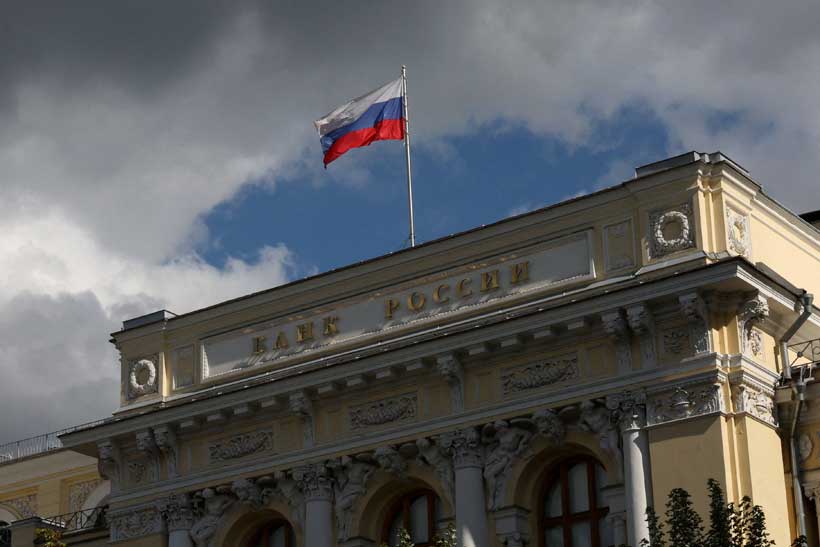
Russia faces a significant risk of a banking crisis due to the pressure on lenders from the ongoing war economy, according to a recent European intelligence report. As the European Union prepares new sanctions, the report highlights the vulnerability of Russian banks to further restrictions. Although these banks have managed to survive sanctions imposed since Russia’s full-scale invasion of Ukraine, increasing problematic loans and growing household debts pose a severe risk.
The Russian central bank has refrained from commenting on these concerns, despite downplaying the possibility of a major banking crisis. The country’s four-year war has strained state finances, forcing banks to loan to businesses and individuals heavily. This reliance has increased risks for banks, coinciding with a grim outlook for economic growth, with expected GDP growth forecasts being significantly reduced for 2026 and 2027.
The report indicates that banks are providing subsidized loans to various sectors, including defense and housing. It warns that state-backed loans and restructurings mask the banks’ real vulnerabilities, creating a misleading impression of a stable economy. An economic shock, like a new sanctions package, could quickly destabilize the situation.
Lending directed at defense companies and other supported projects has led to an increase in potentially unrecoverable loans. The analysis estimates that around 10% of corporate loans are doubtful, a notable rise from previous years, while some banks report retail non-performing loans at 15%. Additionally, the number of Russians declaring bankruptcy surged dramatically in 2025, with many taking multiple loans due to state programs.
Despite these financial vulnerabilities, the Russian central bank asserts that its financial system has a strong capital cushion, maintaining that vulnerabilities are not critical at present. Analysts note that while the economy is stagnating, state control and defense spending help stave off an immediate crisis.
The EU has implemented extensive sanctions to curb Russia’s banking sector, yet Russia has mostly withstood these efforts, partly due to Europe’s difficulties in enforcing sanctions effectively. Discussions are ongoing among European diplomats about expanding sanctions to target banks and cryptocurrency networks further.
President Putin remains determined to continue military efforts in Ukraine despite sanctions and anticipates renewed diplomatic negotiations after current global conflicts settle. Amid these pressures, Russian banks continue to adapt to their sanctioned environment, with cash reserves outside the banking system rising significantly, indicating challenges in traditional banking operations.
With information from Reuters