


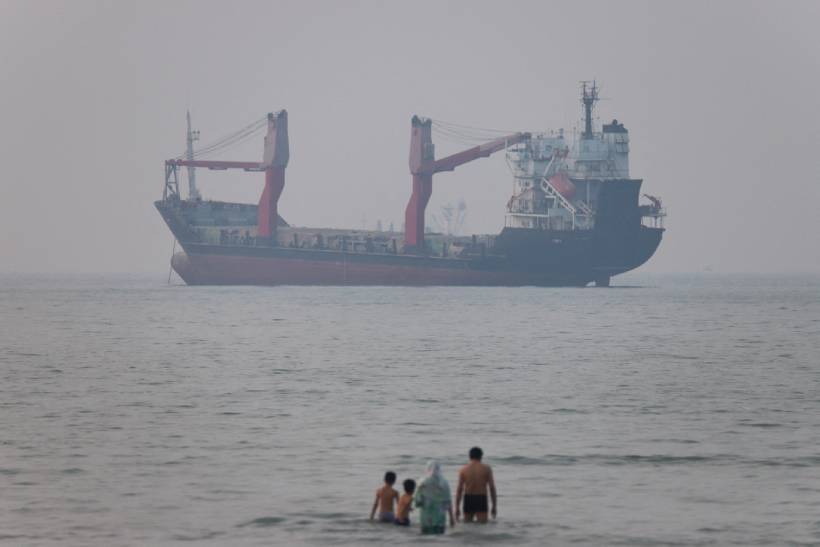
The United States and Iran have entered a new round of technical negotiations in Qatar aimed at turning last month’s interim ceasefire into a lasting peace agreement, with the future of the Strait of Hormuz emerging as the central issue. The talks come after days of renewed tensions that exposed deep disagreements over the implementation of the temporary accord despite a halt in large-scale fighting.
The negotiations are being closely watched by energy markets as the Strait of Hormuz remains only partially reopened after months of conflict that disrupted global oil and liquefied natural gas shipments.
Technical negotiations shift diplomacy into implementation phase
Officials from the United States and Iran are holding specialist-level discussions in Doha to resolve practical issues underpinning a permanent peace agreement.
The negotiations follow preliminary meetings involving senior U.S. officials and Qatari mediators, with Qatar and Pakistan continuing to facilitate contacts between the two sides.
Stay ahead of the geopolitical week.
MD Briefing delivers expert analysis across five global fronts — the Indo-Pacific, energy, geoeconomics, European security, and the Middle East — every Monday morning. Free.
The talks build on the 14-point interim accord signed last month, which established a 60-day framework for negotiating a permanent settlement.
Hormuz remains the biggest obstacle
The future governance of the Strait of Hormuz has become the most contentious issue in the negotiations.
Washington is seeking guarantees for uninterrupted international shipping through the strategic waterway, while Tehran insists it should retain authority over vessel movements and future management of the Strait.
The dispute has already produced conflicting public interpretations of the interim agreement and contributed to recent exchanges of fire despite the broader ceasefire remaining in place.
Frozen assets remain a key Iranian demand
Alongside maritime security, Iran is pressing for the release of approximately $6 billion in frozen assets as part of the ongoing negotiations.
Iranian officials have identified access to the funds as one of Tehran’s principal objectives, alongside securing recognition of its role in managing navigation through Hormuz.
The discussions therefore combine both security and economic issues, reflecting the broader effort to move beyond a temporary truce toward a more comprehensive settlement.
Shipping recovery remains uneven
Commercial traffic through the Strait has resumed gradually since the ceasefire, but shipping conditions remain unpredictable.
Industry analysts say navigation continues to face operational uncertainty, while recent incidents involving commercial vessels highlight the challenges of restoring normal maritime activity after months of disruption.
Although energy exports have begun recovering, traders remain cautious as negotiations continue.
Regional diplomacy extends beyond Iran
The Doha talks also intersect with broader efforts to reduce regional tensions, including separate U.S.-backed negotiations between Israel and Lebanon.
Diplomatic activity surrounding Lebanon has intensified alongside the U.S.-Iran discussions, reflecting wider attempts to stabilise multiple fronts affected by the conflict.
Implications
The success of the Doha negotiations will play a decisive role in determining whether the current ceasefire evolves into a durable regional settlement or remains a temporary pause in hostilities. Beyond bilateral relations, the outcome will influence global energy security, shipping costs and investor confidence, given the Strait of Hormuz’s importance to international trade.
Failure to resolve disagreements over maritime access and sovereignty could quickly undermine recent improvements in oil markets and increase the risk of renewed military escalation.
Future Outlook
Negotiators are expected to continue technical discussions in the coming days as both sides work through complex security, maritime and financial issues. Progress on Hormuz is likely to determine whether negotiations expand into broader political and nuclear issues or remain stalled over competing interpretations of the interim agreement. Until clearer compromises emerge, markets are likely to remain sensitive to developments in Doha.
With information from Reuters.
