


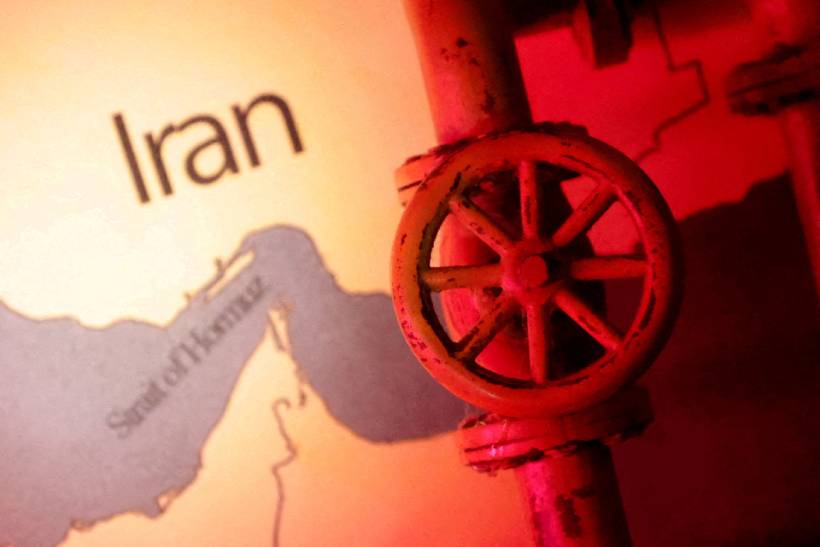
The partial reopening of the Strait of Hormuz is beginning to reshape global oil shipping, with tanker owners and charterers repositioning vessels in anticipation of a sustained recovery in Gulf exports. Although the strategic waterway remains only partially navigable and subject to heightened security risks, shipping data, vessel movements and freight rates increasingly suggest that the industry is preparing for a return to normal operations.
Yet this optimism remains ahead of reality. Cargo volumes continue to lag, insurance costs remain elevated and operational restrictions persist, leaving the tanker market in a transitional phase where expectations are recovering faster than physical trade. The result is a shipping industry that is betting on stability while continuing to navigate considerable geopolitical uncertainty.
Vessel movements signal improving market confidence
The clearest indication of recovery comes from the gradual return of tanker traffic through the Strait of Hormuz. After vessel movements collapsed during the conflict, daily transits have begun to recover as operators cautiously resume voyages through the strategic chokepoint.
Although traffic remains significantly below pre conflict levels, the increase reflects growing confidence that the security environment is becoming more manageable. Rather than indicating a full restoration of trade, the rise in transits suggests that shipping companies are carefully testing operating conditions before committing fully to Gulf routes.
Stay ahead of the geopolitical week.
MD Briefing delivers expert analysis across five global fronts — the Indo-Pacific, energy, geoeconomics, European security, and the Middle East — every Monday morning. Free.
Fleet positioning reflects expectations rather than current demand
Perhaps the strongest indicator of market sentiment is the growing number of ballast tankers returning to the Gulf. Empty vessels typically move toward regions where owners expect future cargo demand, making their deployment a leading indicator of market expectations rather than present trading activity.
The return of crude and LNG carriers demonstrates that shipowners anticipate Gulf exports will continue recovering in the coming weeks. However, actual export volumes remain well below normal levels, creating a widening gap between where ships are positioned and the amount of cargo currently available. This disconnect highlights that the market is pricing future recovery before it has fully materialised.
Shipping congestion continues to constrain recovery
The conflict has also left behind a significant logistical challenge. Hundreds of vessels remain delayed in or around the Arabian Gulf, creating one of the largest shipping backlogs in recent years.
Even if security conditions continue to improve, clearing this accumulation of vessels will require time, delaying the full restoration of export capacity. Congestion therefore represents an operational constraint that extends beyond geopolitics, limiting how quickly the tanker market can return to pre conflict efficiency.
Freight markets are adjusting to changing expectations
Freight rates reveal how rapidly market expectations are evolving. Earnings for Very Large Crude Carriers have declined sharply as increasing numbers of vessels return to the Gulf ahead of any meaningful recovery in cargo demand.
Conversely, freight rates for smaller tankers operating outside the Middle East have strengthened as the concentration of vessels around the Gulf has tightened capacity in other regions. This divergence illustrates how fleet repositioning is influencing global shipping markets, redistributing vessel availability and altering freight dynamics well beyond the Middle East.
Global oil trade patterns are gradually normalising
The disruption in Hormuz forced oil shipments onto significantly longer routes, including voyages around the Cape of Good Hope, increasing transport costs and ton mile demand across the global tanker market.
As confidence gradually returns to the Gulf, these emergency routing strategies are beginning to unwind. A sustained reopening of Hormuz would shorten voyage distances, improve fleet utilisation and reduce shipping costs. However, many operators continue to rely on alternative routes as insurance costs and security concerns still complicate direct transits through the strait.
Security risks remain the defining market variable
Despite improving vessel movements, the most significant obstacle facing the tanker market is no longer physical access but commercial confidence.
Shipowners must continue weighing elevated war risk insurance premiums, regulatory uncertainty and the possibility of renewed geopolitical tensions before committing fleets to Gulf operations. Consequently, the pace of recovery depends less on the waterway’s technical accessibility than on whether operators believe conditions are sufficiently stable to support sustained commercial activity.
Implications
The tanker market is increasingly positioning itself for a broader recovery in Gulf oil exports, suggesting that confidence is gradually returning to one of the world’s most important energy corridors. If current trends continue, shipping congestion should ease, freight markets may stabilise and global crude supply chains could become more efficient as traditional trade routes are restored.
However, the recovery remains highly conditional. Because fleet positioning has advanced faster than actual cargo demand, any renewed security incident or political escalation could quickly reverse recent gains, leaving tanker markets exposed to another period of volatility.
Analysis
The evolving situation in the Strait of Hormuz illustrates that the shipping market is increasingly being driven by expectations rather than realised trade. Vessel deployment decisions, freight pricing and route selection all indicate that market participants believe Gulf exports will continue recovering, even though physical cargo flows remain constrained.
This divergence reflects the forward looking nature of the tanker industry, where fleet positioning often precedes changes in demand. However, it also exposes the market to greater downside risk, as optimism can quickly unravel if geopolitical conditions deteriorate. Until cargo volumes, vessel transits and export operations consistently return to pre conflict levels, the recovery will remain confidence driven rather than fundamentally anchored.
Ultimately, the Strait of Hormuz has entered a transitional phase where perceptions of stability are shaping market behaviour as much as operational realities. Whether this optimism proves justified will depend not only on the reopening of the waterway but also on the durability of regional security, making confidence the tanker market’s most valuable and most fragile commodity.
With information from Reuters.
