


The recent surge in the U.S. dollar would normally raise concerns about imported inflation around the world, particularly for countries that rely heavily on energy and commodity imports. However, a sharp decline in oil and natural gas prices following the U.S. Iran interim peace agreement is helping offset those pressures.
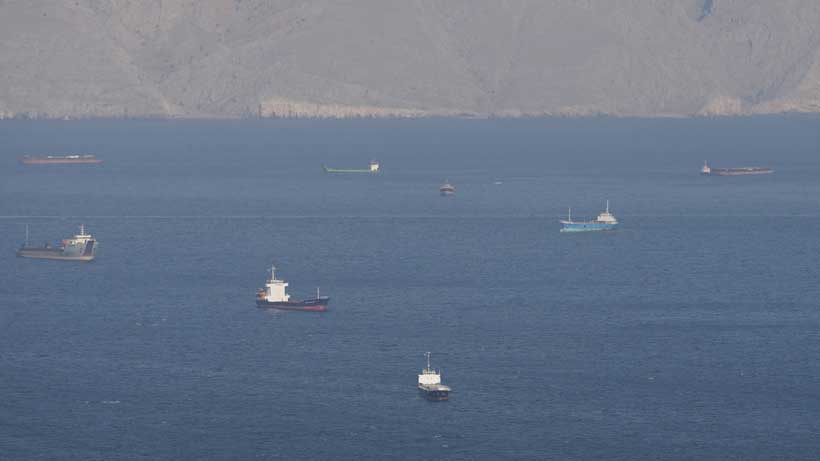
As energy shipments through the Strait of Hormuz recover and fears of supply disruptions fade, crude oil prices have fallen significantly from wartime highs. The decline is reducing inflation risks even as the dollar remains at its strongest levels in more than a year against several major currencies.
Why It Matters
The combination of a strong dollar and falling energy prices is reshaping the global inflation outlook. Normally, a stronger dollar makes imports more expensive and fuels inflation in other countries. But cheaper oil is easing those pressures and giving central banks greater flexibility on interest rates.
For policymakers, the drop in energy costs provides breathing room after months of concern about inflation, currency weakness, and economic uncertainty linked to the Iran conflict.
Stay ahead of the geopolitical week.
MD Briefing delivers expert analysis across five global fronts — the Indo-Pacific, energy, geoeconomics, European security, and the Middle East — every Monday morning. Free.
Strong Dollar Usually Means Higher Global Inflation
A stronger dollar often increases costs for countries that import commodities priced in U.S. currency, particularly oil, natural gas, and industrial materials.
Many emerging markets and energy importing economies face higher inflation when their currencies weaken against the dollar because imports become more expensive. This can force central banks to raise interest rates or intervene in currency markets to stabilize prices.
Recent gains in the dollar have pushed several currencies to multi year lows, creating concerns that inflationary pressures could intensify across global markets.
Oil Price Collapse Offsets Currency Pressures
The sharp decline in energy prices has changed the inflation picture considerably.
Oil and natural gas surged during the conflict involving Iran and fears of disruption in the Strait of Hormuz. However, the ceasefire framework and renewed shipping activity have reversed much of that increase.
Crude prices have dropped dramatically from wartime peaks, reducing energy costs for businesses and consumers worldwide. As a result, the inflationary impact of a stronger dollar is being partially neutralized by cheaper fuel and transportation costs.
This development is especially important for countries that rely heavily on imported energy.
Central Banks Gain More Policy Flexibility
Lower energy prices are allowing central banks to reassess how aggressively they need to tighten monetary policy.
Financial markets have already adjusted expectations for future interest rate increases in several major economies. Investors increasingly believe inflation may cool more quickly than previously expected, reducing pressure on policymakers to raise borrowing costs.
The shift has improved sentiment among investors who feared a prolonged period of high inflation and restrictive monetary policy.
For central banks, falling energy prices create more room to support growth without risking a renewed inflation surge.
Energy Importers See Relief From Inflation Pressures
Countries heavily dependent on imported energy stand to benefit the most from the decline in oil prices.
Japan, South Korea, India, and several European economies have faced rising import costs during recent periods of energy market volatility. Lower oil prices help improve trade balances, reduce inflation, and ease pressure on household budgets.
The improvement also reduces the need for governments and central banks to take emergency measures to support currencies or contain inflation expectations.
As a result, policymakers now have more flexibility to focus on economic growth and financial stability.
Stakeholders
- Federal Reserve
- European Central Bank
- Bank of Japan
- Reserve Bank of Australia
- Bank Indonesia
- Reserve Bank of India
- Global energy importers
- Oil producers
- Currency traders
- Global investors
- Consumers
- Manufacturing and transportation industries
Future Outlook
The direction of inflation and monetary policy will depend heavily on whether energy prices remain subdued. If the U.S. Iran peace process holds and shipping through the Strait of Hormuz continues without disruption, oil prices could remain a disinflationary force for the global economy.
At the same time, the strong dollar remains a risk for emerging markets and heavily indebted economies. Any renewed geopolitical tensions or rebound in energy prices could quickly reverse the current relief.
For now, however, falling oil prices are providing a welcome buffer against the inflationary impact of dollar strength and reducing pressure on central banks worldwide.
Analysis
This story highlights a rare situation where two powerful market forces are moving in opposite directions. Normally, a surging U.S. dollar would create significant inflationary pressure globally, especially in emerging markets that depend on imported energy. Instead, collapsing oil prices are offsetting much of that effect.
The broader significance is that global central banks may no longer need to prioritize inflation control as aggressively as they did during the Iran conflict. Lower energy costs are improving the outlook for growth, consumer spending, and financial stability across many economies.
The biggest beneficiaries are likely to be energy importing nations in Asia and Europe, which had been caught in a cycle of currency weakness and inflation fears. If oil prices remain low, policymakers may gain valuable flexibility on interest rates, reducing the risk of further economic slowdown.
With information from Reuters.
