


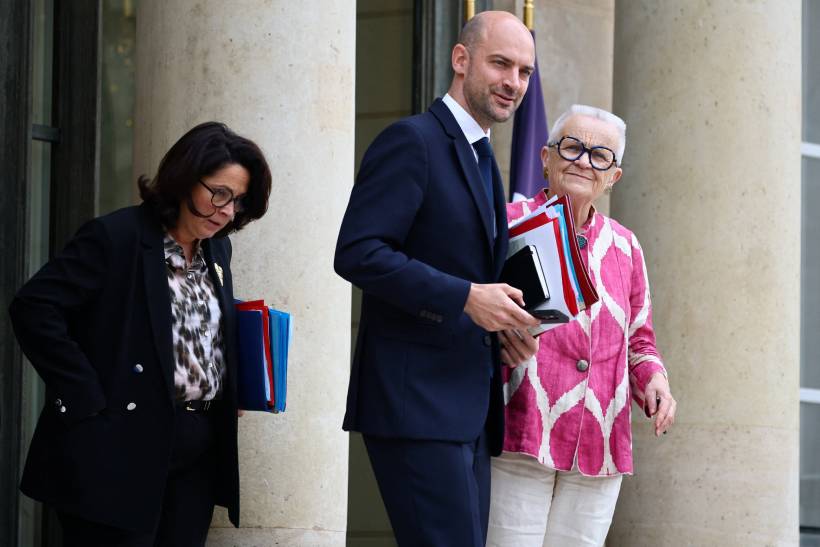
France has signaled that it intends to play a decisive role in the next phase of negotiations over Iran’s nuclear programme, warning that United Nations sanctions cannot be lifted without French approval.
French Foreign Minister Jean-Noel Barrot said any final agreement between the United States and Iran would need the backing of the UN Security Council, where France holds permanent veto power. He stressed that Paris would not support sanctions relief unless it was satisfied that Iran had made significant concessions on both its nuclear activities and broader regional behaviour.
The comments come after Washington and Tehran agreed to begin a 60 day negotiation process aimed at reaching a comprehensive settlement following an interim accord designed to end months of conflict. Any final deal is expected to be submitted to the Security Council for endorsement.
France’s intervention highlights growing European concerns that the next stage of negotiations could be dominated by the United States and Iran, potentially sidelining key European powers that helped negotiate the landmark 2015 nuclear agreement.
Stay ahead of the geopolitical week.
MD Briefing delivers expert analysis across five global fronts — the Indo-Pacific, energy, geoeconomics, European security, and the Middle East — every Monday morning. Free.
Why It Matters
France’s position introduces another layer of complexity into already difficult negotiations. Even if Washington and Tehran reach a bilateral agreement, sanctions relief linked to the United Nations would require support from Security Council members, giving France significant leverage over the outcome.
The statement also underscores a widening gap between European priorities and the narrower focus of current U.S. Iran discussions. While Washington is primarily focused on the nuclear issue, France and its European partners want broader commitments covering ballistic missiles and Iran’s support for allied armed groups across the Middle East.
Without European backing, negotiators could face major obstacles in transforming a political agreement into an internationally recognized settlement.
France Wants a Bigger Role in Negotiations
Paris, along with Britain and Germany, has become increasingly concerned about being excluded from recent diplomatic efforts involving Iran.
The three European powers were central players in negotiations that began in 2003 and eventually produced the 2015 nuclear accord. That agreement placed restrictions on Iran’s nuclear programme in exchange for sanctions relief and was endorsed by the United Nations Security Council.
Since the latest conflict between the United States and Iran, however, European governments have largely remained on the sidelines while Washington and Tehran pursued direct negotiations.
French officials now appear determined to reassert their influence before any final deal is concluded.
Barrot made clear that France expects to have a direct role in shaping the terms of any agreement because implementation will ultimately require Security Council approval.
Missile Programme and Regional Influence Remain Key Concerns
France is not limiting its concerns to Iran’s nuclear activities.
Barrot said lasting stability in the Middle East would require negotiations to address Iran’s ballistic missile programme as well as its support for regional proxy groups. European governments have long argued that focusing solely on nuclear restrictions ignores other security challenges posed by Tehran’s military capabilities and regional alliances.
This position could create friction with Iran, which has traditionally rejected efforts to link missile development to nuclear negotiations and views support for regional allies as a core element of its foreign policy.
The issue may also complicate talks if Washington prioritizes securing a nuclear agreement first while leaving other disputes for future discussions.
Echoes of the 2015 Nuclear Deal
France’s comments revive memories of the diplomatic process that produced the 2015 nuclear agreement under former U.S. President Barack Obama.
That accord was negotiated over several years with active participation from France, Britain, Germany, Russia, China, the United States, and the European Union. It established strict monitoring requirements and limitations on Iran’s nuclear programme in return for sanctions relief.
However, President Donald Trump withdrew the United States from the agreement during his first term, arguing that it failed to address Iran’s missile programme and regional activities.
Ironically, some of the concerns now being raised by France mirror criticisms that Trump himself voiced when abandoning the deal.
European diplomats fear that a rushed agreement could repeat earlier mistakes and leave unresolved issues that later trigger another crisis.
What Happens Next
Negotiators have a 60 day window to transform the preliminary U.S. Iran accord into a comprehensive agreement.
During that period, discussions are expected to focus on nuclear restrictions, sanctions relief, verification measures, and the framework for future relations. European governments are likely to push for a formal role in those talks and seek guarantees that missile issues and regional security concerns are included.
Iran, meanwhile, may resist efforts to broaden the negotiations beyond the nuclear file, arguing that additional demands could derail progress.
Any final agreement will eventually face scrutiny at the United Nations Security Council, where France’s position could become a decisive factor.
Analysis
France’s intervention serves as a reminder that U.S. Iran diplomacy does not occur in isolation. While Washington and Tehran may be the principal actors, they are not the only stakeholders capable of shaping the outcome.
By emphasizing its veto power, Paris is effectively warning both sides that bilateral compromises alone will not be sufficient to secure international legitimacy and sanctions relief. The statement also reflects broader European frustration at being marginalized despite years of involvement in Iran diplomacy.
For the United States, French support could help strengthen the credibility of any future agreement. However, accommodating European demands may require expanding negotiations beyond the nuclear issue, making a deal harder to achieve within the 60 day timeline.
For Iran, France’s position represents an additional hurdle. Tehran may find itself negotiating not only with Washington but also with European powers seeking tougher commitments on missiles and regional influence.
The biggest challenge ahead is balancing competing priorities. The United States wants a workable agreement that can stabilize the region, Iran wants meaningful sanctions relief, and Europe wants a broader framework that addresses long term security concerns. Whether those objectives can be reconciled will determine whether the current diplomatic opening produces a lasting settlement or another round of deadlock.
With information from Reuters.
