


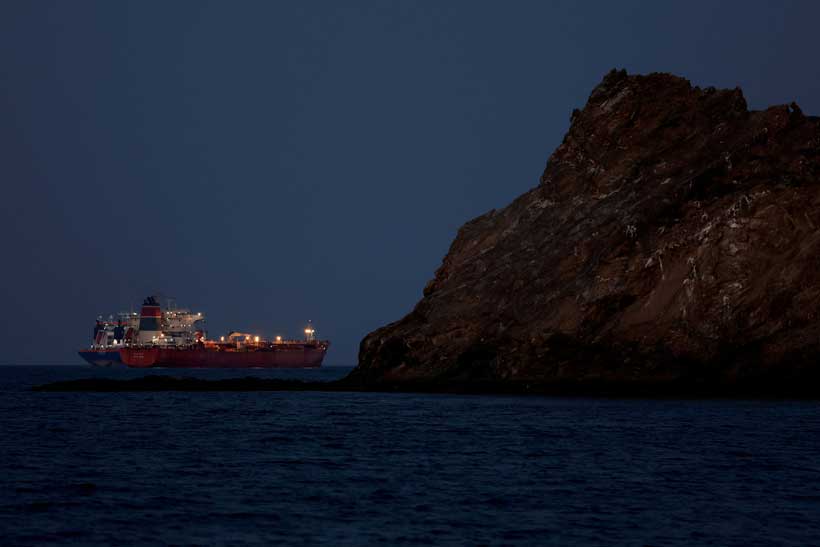
The Strait of Hormuz, one of the world’s most important maritime chokepoints, has experienced severe disruption since conflict between Iran and the United States escalated following U.S.-Israeli strikes. The waterway is responsible for transporting around one-fifth of global oil and liquefied natural gas (LNG) supplies, making any interruption a major concern for international energy markets.
The conflict led many shipowners and insurers to avoid the route due to security risks, sharply reducing commercial traffic through the strait. While U.S. President Donald Trump has announced a deal to end the war with Iran and stated that oil tankers are beginning to move through the region again, industry participants remain cautious about returning to normal operations.
Why It Matters
The comments from Mitsui O.S.K. Lines, one of the world’s largest tanker operators, highlight the gap between a diplomatic breakthrough and the restoration of commercial confidence. Chief Executive Jotaro Tamura said shipowners will require more than a political agreement; they need evidence that security conditions in the Strait of Hormuz have genuinely improved and that vessels can transit safely without the threat of attacks or disruptions.
A prolonged delay in shipping normalization could continue to affect global energy markets, freight rates, insurance costs, and supply chains. Countries heavily dependent on Middle Eastern oil and LNG exports could face higher transportation costs, while commodity markets may remain sensitive to any signs of renewed instability in the region.
Stay ahead of the geopolitical week.
MD Briefing delivers expert analysis across five global fronts — the Indo-Pacific, energy, geoeconomics, European security, and the Middle East — every Monday morning. Free.
What’s Next
Shipping companies are expected to monitor developments in the Gulf closely before committing vessels back to the route. Industry executives suggest that it could take several weeks, or even a month, of stable conditions before operators regain confidence in the safety of the strait.
The effectiveness of the U.S.-Iran agreement will be judged not only by diplomatic statements but also by whether commercial shipping, insurers, and energy traders view the region as secure enough for normal operations. If tanker traffic gradually resumes without incidents, global energy supplies and trade flows could stabilize. However, any renewed tensions or security concerns could delay recovery and keep markets on edge.
With information from Reuters.
