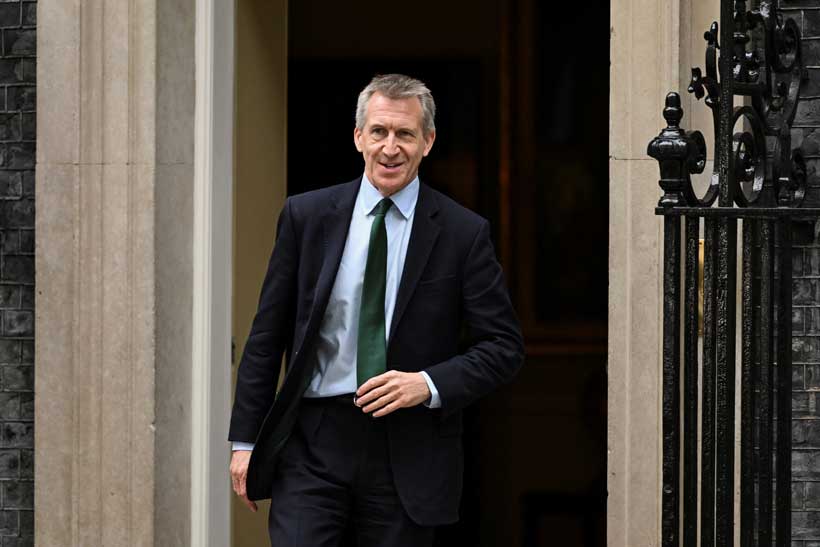
Keir Starmer has a new defence minister but is still facing major challenges, including limited finances and political demands. Even if a new prime minister takes charge, these issues will persist. Starmer might soon confront a leadership challenge from figures like Greater Manchester Mayor Andy Burnham and former health secretary Wes Streeting, who resigned recently.
Starmer has been seen as indecisive, but any leader will grapple with the same difficult choices: funding public services, addressing the rising cost of living, and increasing defence spending, especially in an economy with low growth and high borrowing expenses. Chris Hopkins, from the polling firm Savanta, suggests that a new leader might seem more decisive but would still struggle with these significant challenges.
Defence Secretary John Healey resigned, criticizing Starmer’s leadership for failing to secure necessary funding to address national security threats. Healey’s resignation came after months of uncertainty about how to finance a Defence Investment Plan, which he felt was insufficient. He emphasized that the UK needs to increase defence spending to 3% of GDP by 2030, compared to Germany’s 3.7%. Starmer responded by stating other government departments would have funds reallocated to defence and warned against excessive borrowing.
Despite Starmer’s arguments, some Labour politicians have expressed dissatisfaction. Fred Thomas, a Labour lawmaker and former Royal Marine, has called for a leader with more conviction and courage, stating that the military is unprepared for current threats. Healey’s departure is part of a troubling trend in Starmer’s government, with other resignations indicating dissatisfaction with his leadership style, which some describe as slow and cautious.
Starmer must attend upcoming G7 and NATO summits amid scrutiny of his defence strategy and rising support for the right-wing Reform UK party. Critics argue that any potential successor, like Burnham, would face the same financial challenges. Burnham has indicated he might lean towards the left, which could create more borrowing or tax increases if he succeeds Starmer. He has proposed respecting fiscal rules while hinting at possible exceptions for defence funding.
Rain Newton-Smith from the Confederation of British Industry has noted that ongoing leadership speculation could hinder critical decision-making in government, particularly regarding EU negotiations and energy policy. There is a pressing need for clearer and faster decisions to bolster business confidence during this period of political uncertainty.
With information from Reuters